
Hokkaido's Best Onsen Towns Ranking! Introducing features like texture and water quality, and must-visit hotels and ryokan.
Hokkaido boasts the highest number of onsen (hot spring) towns in Japan. According to information released by the Ministry of the Environment in 2020 (Reiwa 2), Hokkaido has a total of 234 onsen towns. These range from the famous three major onsen towns of Hokkaido to secluded onsen towns, each with different characteristics and attractions.
In this article, we've ranked onsen towns from the unique perspective of a bus company that transports customers to onsen towns throughout Hokkaido every day! We'll introduce 15 recommended onsen towns based on the quality of the spring water and its comforting feel, as well as the scenery, accessibility, and the richness of surrounding tourist attractions.
Highlights of this article!
・Hokkaido's onsen are appealing for their natural surroundings.
・Hokkaido's three major onsen towns are Jozankei Onsen, Noboribetsu Onsen, and Yunokawa Onsen.
・Noboribetsu Onsen is Hokkaido's largest onsen town.
・Jozankei Onsen boasts a hot spring water flow of approximately 8,600 liters per minute.
・Tokachigawa Onsen is home to a globally rare moor onsen.
Top 15 Recommended Onsen Towns in Hokkaido
Among the many onsen towns scattered across Hokkaido, the following are the top 15 most popular and easily accessible. This ranking is based on our unique perspective, so please take it as a reference.
Top 15 Recommended Onsen Towns in Hokkaido
- Jozankei Onsen | Appealing for its easy access and natural beauty
- Noboribetsu Onsen | Hot springs with a rich variety of water qualities
- Yunokawa Onsen | Approximately 10 minutes by car from Hakodate city center
- Shikotsu Lake Onsen | Beautiful skin hot spring that leaves skin silky smooth
- Toya Lake Onsen | Blessed with natural environment, enjoy hot springs and scenery
- Tokachidake Onsen | The highest altitude hot spring in Hokkaido
- Tokachigawa Onsen | A globally rare onsen with moor hot springs
- Asahidake Onsen and Tenninkyo Onsen | Hokkaido's secluded onsen towns
- Kawayu Onsen | Strong acidic spring water makes skin silky smooth
- Shirogane Onsen | Popular as a resort area for outdoor activities
- Sounkyo Onsen | An onsen town that was once a hidden hot spring for climbers
- Niseko Onsen-kyo | Abundant hot springs with various water qualities
- Kitayuzawa Onsen | Colorless and odorless hot spring bubbling up from the bottom of the Osharu River
- Utoro Onsen | Onsen town overlooking the sunset over the Sea of Okhotsk
- Akan Lake Onsen | The largest onsen town in Eastern Hokkaido
We will explain the characteristics, water quality, effects, and access of each onsen town in detail.
1. Jozankei Onsen | Appealing for its easy access and natural beauty
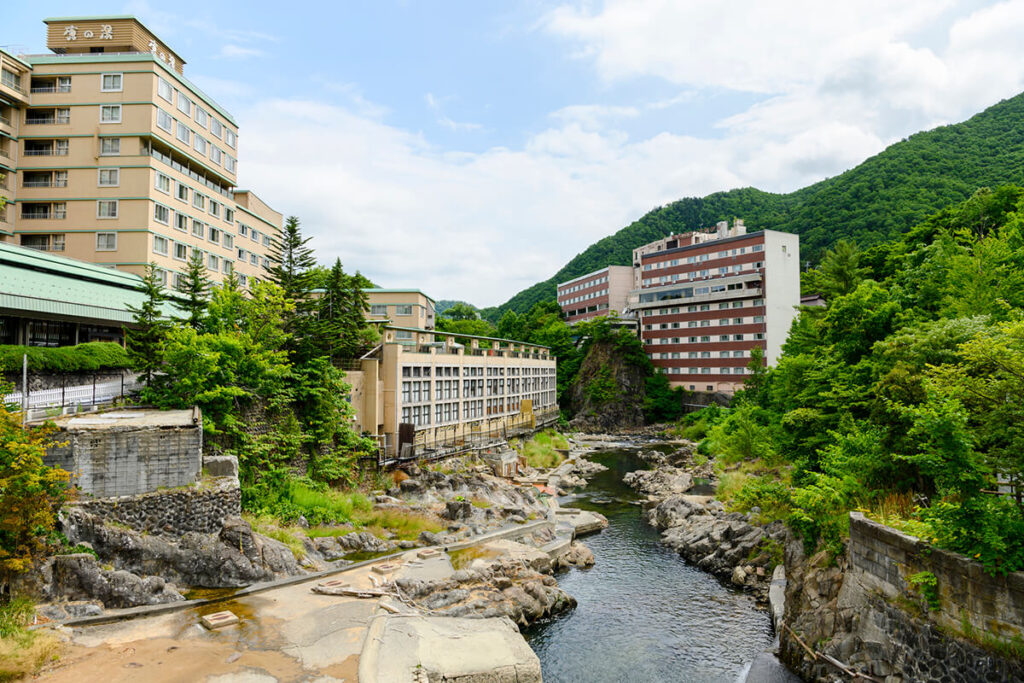
Jozankei Onsen is a hot spring resort located southwest of Sapporo city center, about an hour's drive away. It was discovered in 1866 by the ascetic monk "Misen Jozan". Named after its discoverer, Jozankei Onsen is still affectionately known as "Sapporo's inner parlor." It is also popular for day trips, and its sodium chloride spring water is said to be effective for neuralgia, joint pain, and more. The water is clear and salty, and soaking in it leaves salt on the skin, warming the body from the core. There are a total of 56 spring sources along the Toyohira River, boasting an abundant flow of approximately 8,600 liters per minute.
Furthermore, Jozankei Onsen is located within Shikotsu-Toya National Park, and its natural beauty and stunning autumn foliage are also major attractions. There are natural scenic spots such as "Shiraito Falls" and "Yu-no-Taki" nearby, and tourist facilities are also well-developed.
| Main spring quality | Sodium chloride spring |
| Main effects | Neuralgia, joint pain, frozen shoulder, motor paralysis, stiff joints, bruises, sprains, hemorrhoids, fatigue, sensitivity to cold, skin diseases, etc. |
| Access | Approx. 40 minutes by car from Sapporo Approx. 60 minutes by car from Kitahiroshima IC Approx. 70 minutes by bus from JR Sapporo Station |
| Representative hotels | ・Jozankei Onsen Hotel Shikanoyu ・Nukumori no Yado Furukawa ・Jozankei View Hotel ・Jozankei Manseikaku Hotel Milione ・Jozankei Daiichi Hotel |
| Reference site | Jozankei Tourist Association |
2. Noboribetsu Onsen | Hot springs with a rich variety of water qualities
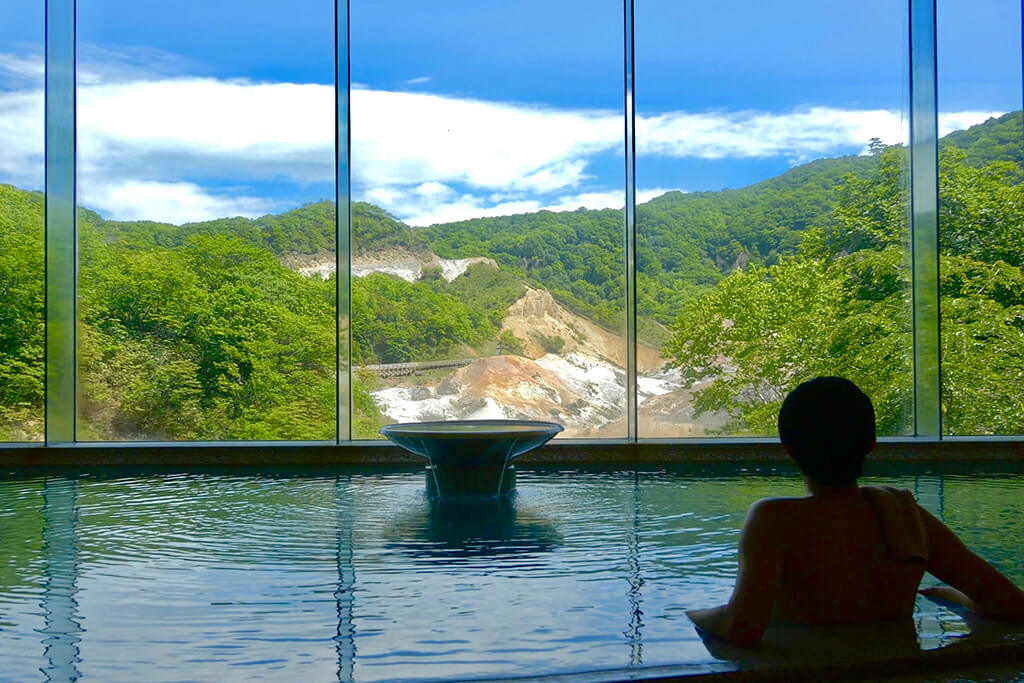
Noboribetsu Onsen is a hot spring resort boasting a diverse range of water qualities and abundant hot spring water, often referred to as a "hot spring department store." It is said to have opened in 1858 (Ansei 5) and is easily accessible from Sapporo and Hakodate, attracting many tourists throughout the year.
It is characterized by its wide variety of spring qualities, with nine types of spring water including sulfur springs, salt springs, acidic iron springs, and sulfate springs. While the effects vary depending on the spring quality, they are said to be effective for diabetes, high blood pressure, sensitivity to cold, and more. Among them, the milky white sulfur spring is famous for its skin-whitening properties.
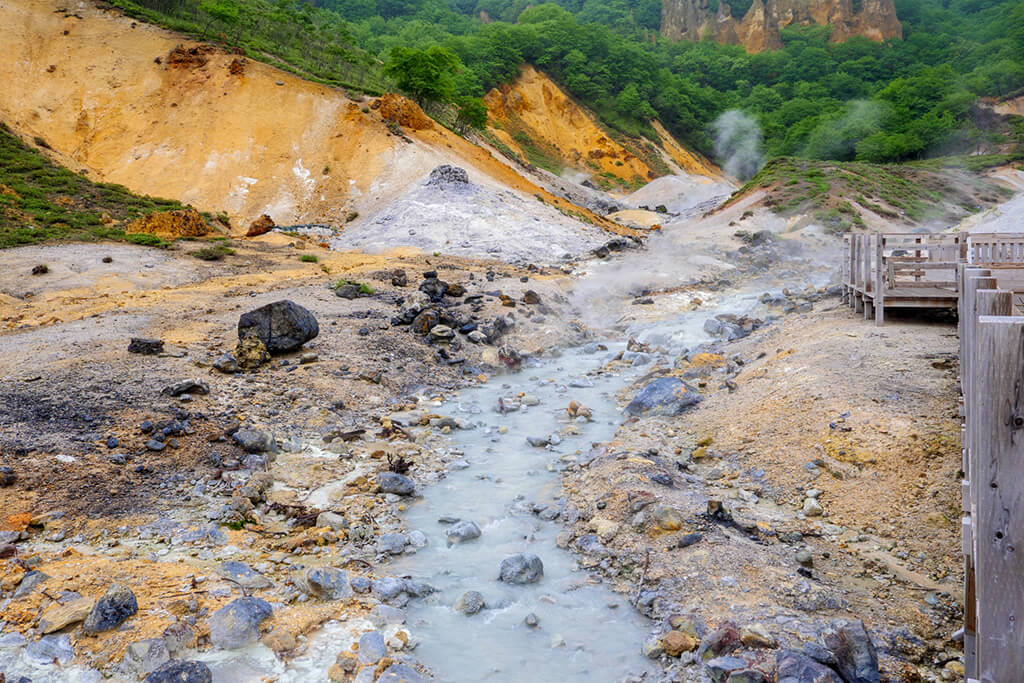
Noboribetsu Onsen is also a hot spring town that spreads along the Kusu Risambetsu River (Ainu for "medicinal hot spring river"), with many modern hotels, Japanese-style ryokan, and souvenir shops lining the streets. Spring source areas like Jigokudani (Hell Valley) and Hiyoriyama are popular tourist spots where visitors can observe active volcanic activity.
The surrounding area is rich in natural scenic spots, where you can enjoy the singing of wild birds and alpine plants, as well as fresh seafood due to its proximity to the fishing port. It has become a popular hot spring resort not only for hot spring enthusiasts but also for general tourists.
| Main spring qualities | Sulfur spring Salt spring Acidic iron spring Sulfate spring Iron-containing spring Mixed spring (acidic iron spring + salt spring), etc. |
| Main effects | Diabetes, high blood pressure, chronic gynecological diseases, neuralgia, anemia, sensitivity to cold, rheumatism, atopic dermatitis, chronic eczema, chronic skin diseases, burns, etc. |
| Access | Approx. 90 minutes by car from Sapporo Approx. 10 minutes by car from Noboribetsu-Higashi IC Approx. 15 minutes by car from JR Noboribetsu Station |
| Representative hotels | ・Noboribetsu Onsen Dai-ichi Takimotokan ・Iwai-no-Yado Noboribetsu Grand Hotel ・Noboribetsu Manseikaku ・Noboribetsu Onsen Hotel Mahoroba |
| Reference site | Noboribetsu International Tourism & Convention Association |
3. Yunokawa Onsen | Approximately 10 minutes by car from Hakodate city center
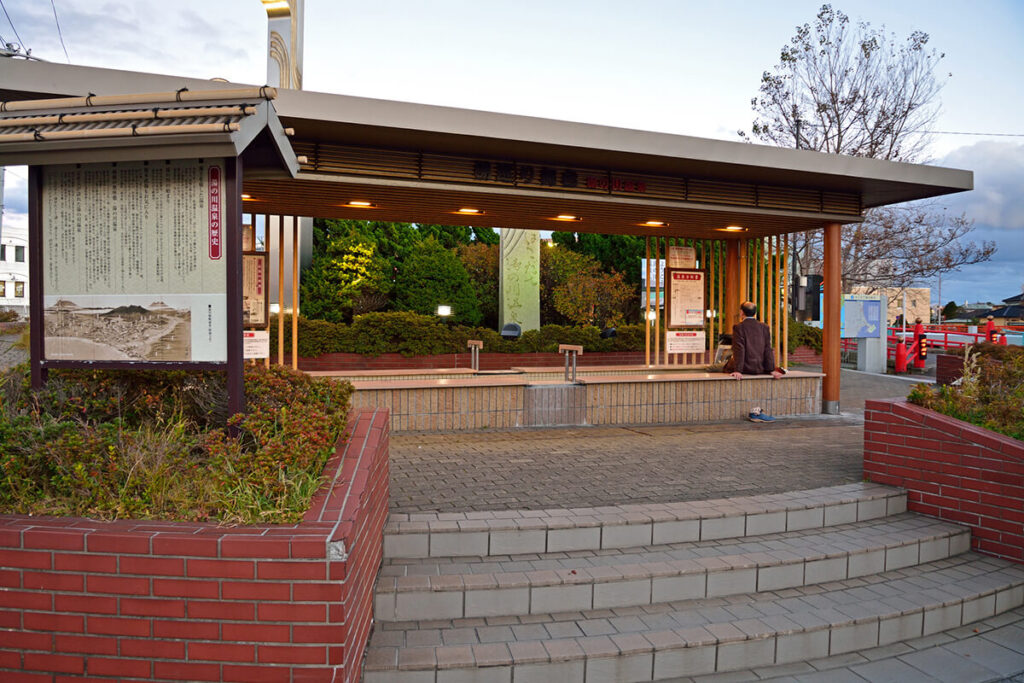
Yunokawa Onsen is a conveniently located hot spring resort, close to Hakodate Airport and about a 10-minute drive from the city center of Hakodate. It opened in 1653 and is known as one of Hokkaido's three major hot spring regions. Old established inns and large hotels coexist, and the serene hot spring atmosphere is one of its charms. Its history began with healing the illness of a Matsumae feudal lord, and it is said that soldiers of the Hakodate War during the Bakumatsu period, which was fought around Goryokaku, also healed their wounds here.
The spring water is a sodium-calcium chloride spring (salt spring), which is excellent for heat retention and is expected to be effective for sensitivity to cold and neuralgia. The odorless, smooth-feeling water provides relaxation to visitors, making it one of Hokkaido's representative hot spring resorts, attracting approximately 1.3 million guests annually.
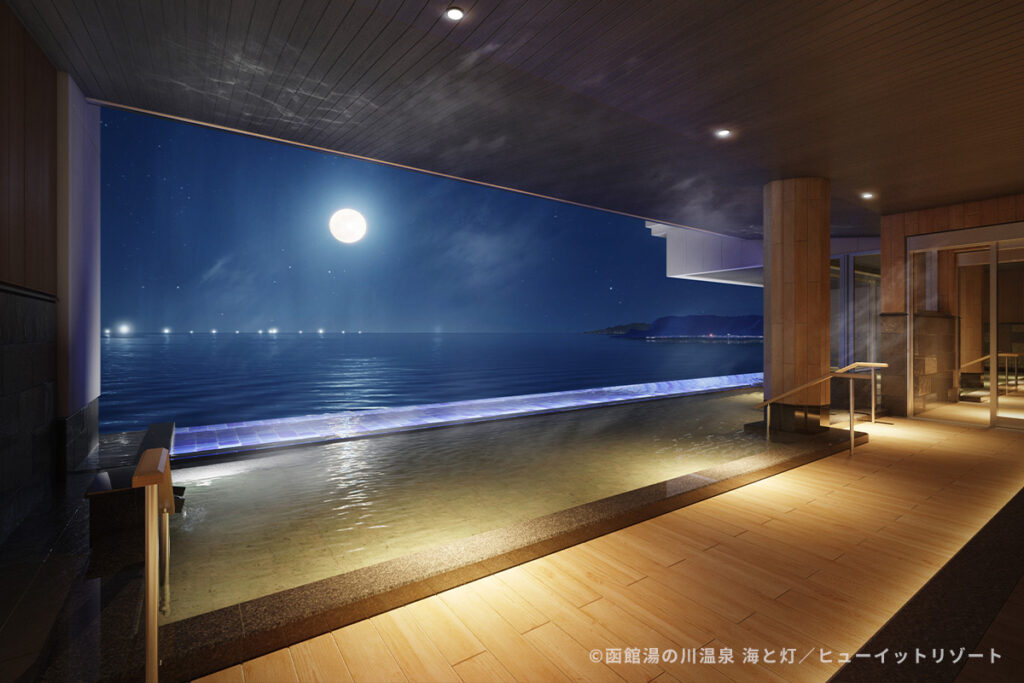
Furthermore, Yunokawa Onsen is popular for its location. Being situated on the opposite side of Mount Hakodate, guests can enjoy panoramic views of Hakodate city, one of Japan's three great night view cities, and Mount Hakodate from the upper floors of hotels, as well as views of the Tsugaru Strait. From summer to autumn, you can also see the lights of squid fishing boats from open-air baths and guest rooms, and enjoy fresh seafood from Hakodate.
| Main spring quality | Sodium chloride hot spring |
| Main effects | Cuts, sensitivity to cold, depression, dry skin, peripheral circulatory disorders, etc. |
| Access | Approx. 4 hours by car from Sapporo Approx. 50 minutes by car from Onuma Park IC Approx. 2-10 minutes walk from Yunokawa Onsen tram stop |
| Representative hotels | ・Chikuba Shin-Yotei ・Hanabishi Hotel ・Hotel Bansou ・Hakodate Yunokawa Onsen Umi to Akari ・Yunokawa Onsen Yunokawa Prince Hotel Nagisatei ・Yunokawa Kanko Hotel Shoen ・Yunohama Hotel |
| Reference site | Hakodate Yunokawa Onsen Ryokan Association |
4. Shikotsu Lake Onsen | Beautiful skin hot spring that leaves skin silky smooth
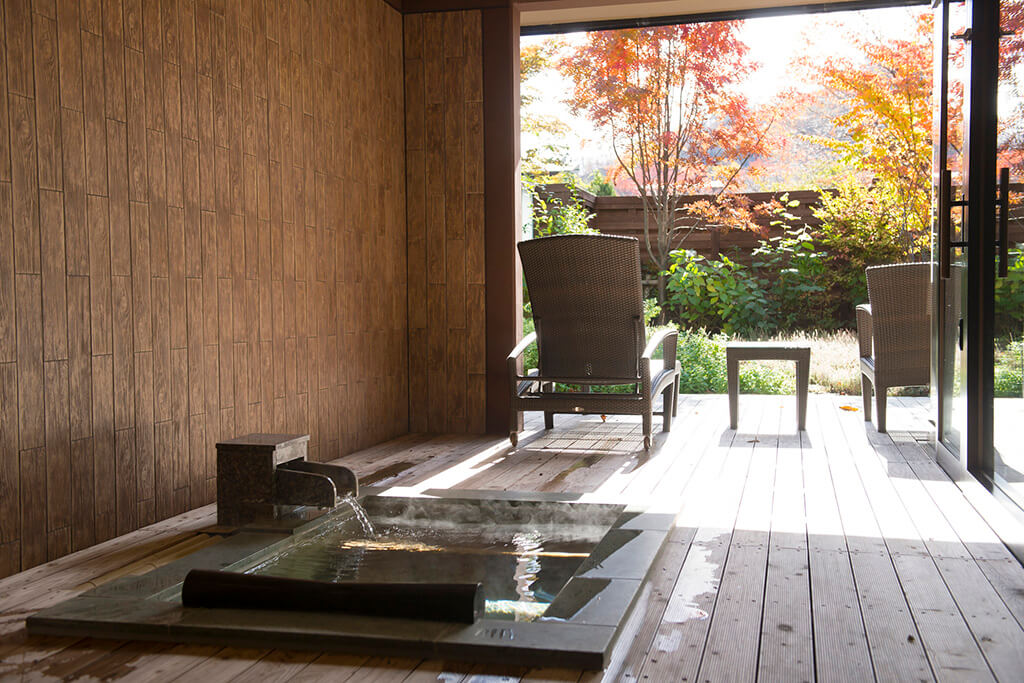
Shikotsu Lake Onsen is a hot spring resort known as "Bijin-no-yu" (beautiful skin hot spring). Marukoma Onsen, which opened in 1915, and five hot spring inns on the eastern shore of Lake Shikotsu are collectively known as Shikotsu Lake Onsen. It's about an hour's drive from Sapporo and about 40 minutes from Chitose Airport, making it a perfect distance for a drive, and enjoying a bath while admiring the seasonal nature is highly popular.
The spring water is a sodium bicarbonate chloride spring, and is expected to be effective for neuralgia, muscle pain, joint pain, sensitivity to cold, chronic skin diseases, and more. It is also potable, and is expected to be effective for chronic digestive diseases, diabetes, gout, and liver diseases. After bathing, the skin becomes smooth, making it popular among women.
Furthermore, surrounded by mountains such as Mount Eniwa and Mount Tarumae, its mystical atmosphere, with untouched nature and primeval forests, is another one of its charms.
| Main spring quality | Sodium bicarbonate spring (old name: Bicarbonate spring) |
| Main effects | Neuralgia, muscle pain, joint pain, gastrointestinal diseases, sensitivity to cold, bruises, chronic skin diseases, chronic digestive diseases, diabetes, gout, liver diseases, etc. |
| Access | Approx. 1 hour by car from Sapporo Approx. 30 minutes by car from JR Chitose Station |
| Representative hotels | ・Shikotsuko Daiichi Hotel Suizantei ・Shikotsuko Tsuruga Resort Spa Mizu no Uta ・Marukoma Onsen Ryokan |
| Reference site | Shikotsu Lake National Park Management Council |
5. Toya Lake Onsen | Blessed with natural environment, enjoy hot springs and scenery
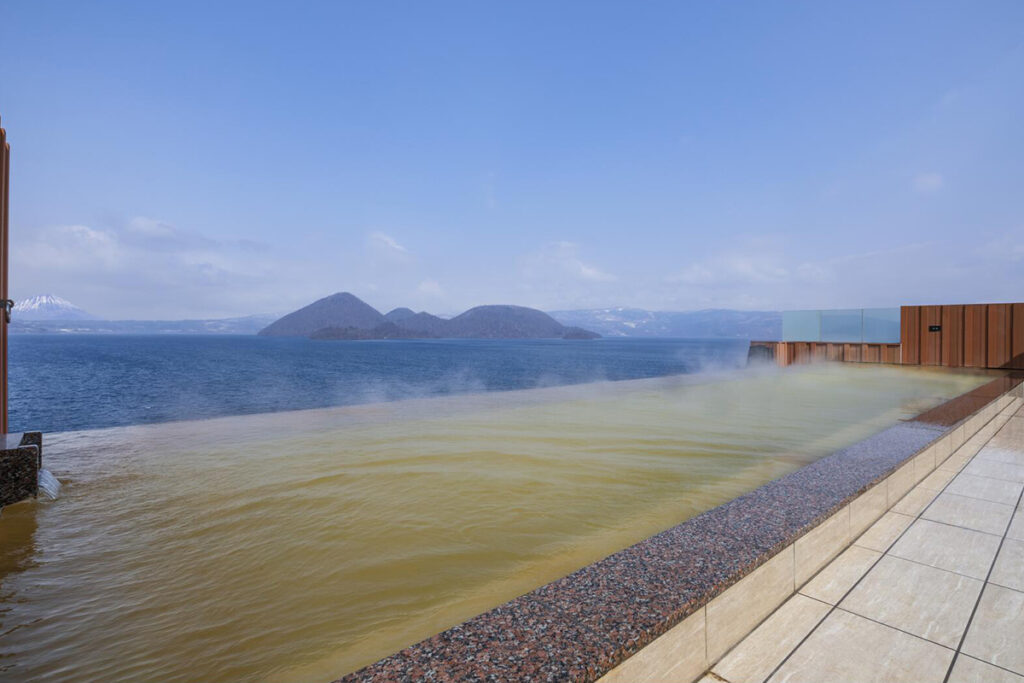
Toya Lake Onsen is a resort hot spring area blessed with natural beauty. You can enjoy magnificent views of Mount Usu and Showa Shinzan from Toya Lake Onsen, including Sobetsu Onsen, which is located on the southern shore of Lake Toya. Toya Lake Onsen, which was born from the eruption of Mount Usu in 1910, saw a slight change in its water quality after the 2000 eruption, and now features brownish hot water. The surrounding scenery of Mount Yotei is also captivating, and there are many spots where you can enjoy footbaths and hand baths, allowing for easy hot spring hopping.
One of the biggest attractions of Toya Lake Onsen is the breathtaking view of Lake Toya from the hotels located on its shores. In particular, the "Toya Lake Long Run Fireworks Festival," held from late April to late October, can be enjoyed while soaking in the hot springs. You can also take a fireworks viewing boat that operates during the festival, which is sure to create unforgettable memories. In addition, tourist attractions such as the Mount Usu Ropeway and Showa Shinzan Bear Ranch are nearby, offering a wide range of activities.
| Main spring quality | Sodium/calcium chloride spring |
| Main effects | Cuts, sensitivity to cold, depression, dry skin, peripheral circulatory disorders, etc. |
| Access | Approx. 2 hours by car from Sapporo Approx. 5 minutes by car from Abuta-Toya Lake IC Approx. 20 minutes by bus from Toya Station |
| Representative hotels | ・Toya Lake Manseikaku Hotel Lakeside Terrace ・Yutoriro Toya Lake ・The Lake View TOYA Nonokaze Resort ・Zekkei no Yado Toya Kohan Tei |
| Reference site | Toya Lake Onsen Tourist Association |
6. Tokachidake Onsen | The highest altitude hot spring in Hokkaido
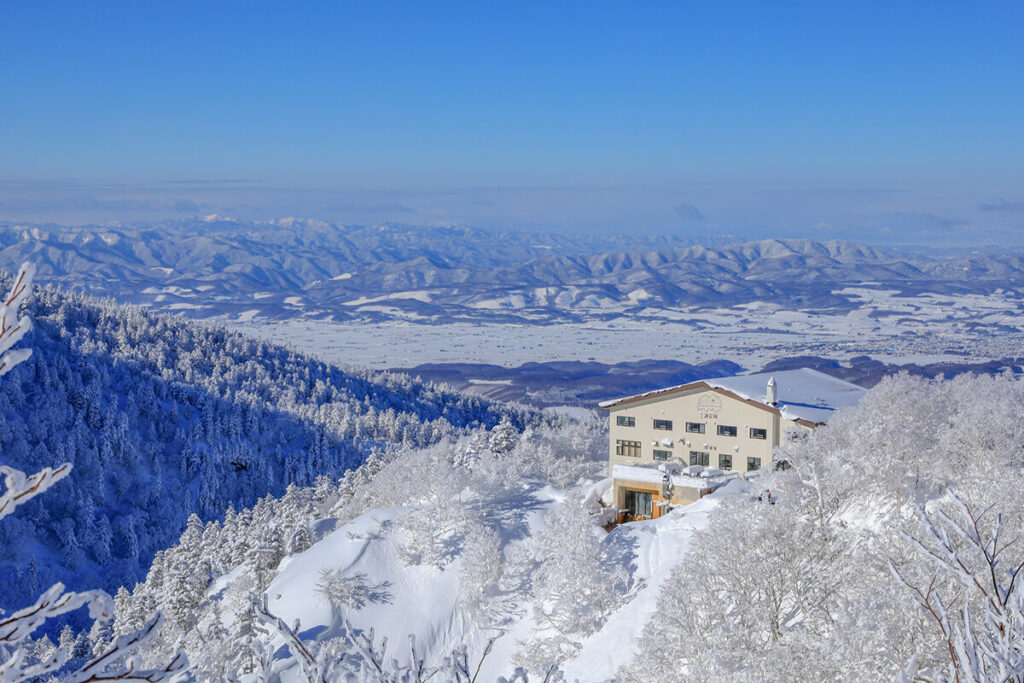
Tokachidake Onsen is located almost in the center of Hokkaido, at the southern end of the Tokachi Mountains, and is the highest altitude hot spring resort in Hokkaido at approximately 1,280m above sea level. Tokachidake Onsen was discovered relatively recently in 1958 (Showa 33) during a survey of the old crater of the Ansei volcano. Four inns are scattered throughout Tokachidake Onsen, and although there isn't a bustling hot spring town, each inn has its own unique hot spring source, allowing visitors to enjoy different types of spring water.
The main spring qualities are calcium and sodium sulfate springs (colorless and transparent, changing to dark reddish brown when oxidized) and acidic iron sulfate springs (colorless and transparent). They are said to be effective for neuralgia, muscle pain, joint pain, frozen shoulder, and more.
Tokachidake Onsen is also used as a base for mountaineering, where visitors can enjoy the spectacular scenery surrounded by nature, making it an ideal base for hikers and nature lovers. The views from the open-air baths, with their expansive atmosphere, captivate visitors.
| Main spring qualities | Calcium and sodium sulfate spring Calcium and magnesium sulfate spring Acidic iron sulfate spring Chloride spring, etc. |
| Main effects | Neuralgia, muscle pain, joint pain, fatigue recovery, frozen shoulder, sensitivity to cold, arteriosclerosis, cuts, sensitivity to cold, etc. |
| Access | Approx. 90 minutes by car from Mikasa IC Approx. 25 minutes by bus from JR Kamifurano Station |
| Representative hotels | ・Tokachidake Onsen Kamifuranso ・Tokachidake Onsen Yumotoryounkaku |
7. Tokachigawa Onsen | A globally rare onsen with moor hot springs
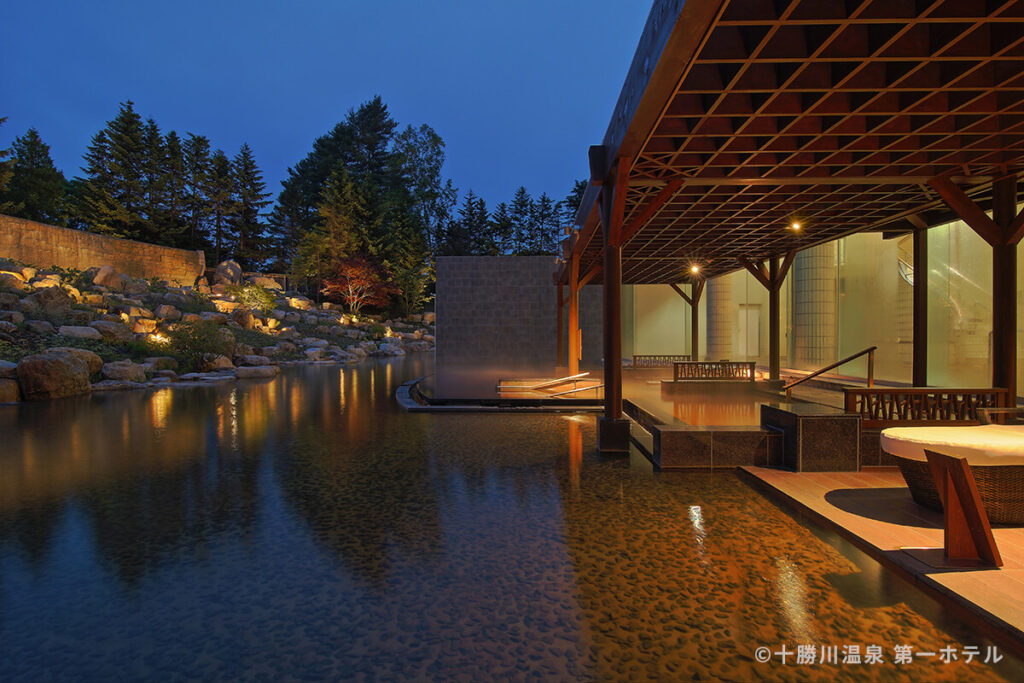
Tokachigawa Onsen is a hot spring resort located on the outskirts of Obihiro City, in the heart of the Tokachi Plain, and is characterized by its "moor hot spring" water quality, which contains a high concentration of plant-derived organic matter. Moor hot springs are a rare type of hot spring in Japan, bubbling up from ancient plant matter (lignite layer) accumulated underground as a heat source. The hot spring water is a dark brownish color, and because it is mild and does not irritate the skin, it is popular for making the skin smooth after bathing.
In addition, there are sodium chloride and bicarbonate springs, which are said to be effective for motor paralysis, neuralgia, muscle pain, joint pain, and more.
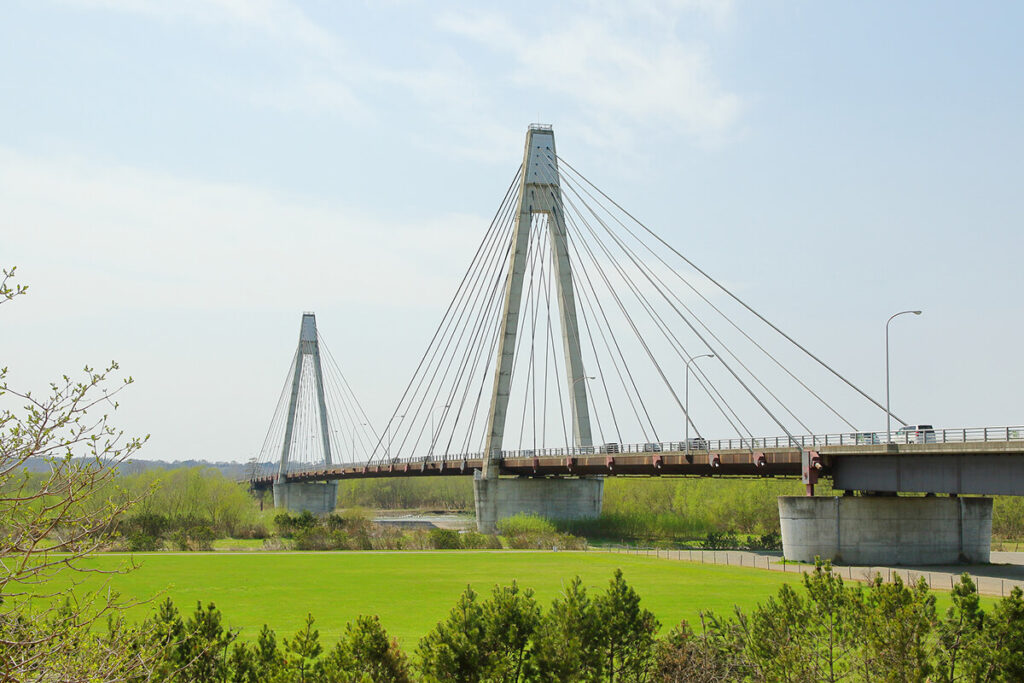
Tokachigawa Onsen is surrounded by abundant rural landscapes, where visitors can enjoy the changing seasons. In particular, the scenery of the Taushubetsu River Bridge on Lake Nukabira changes with the seasons, captivating visitors.
| Main spring quality | Sodium chloride/bicarbonate spring (weakly alkaline hypotonic high-temperature spring) Moor hot spring |
| Main health benefits | Neuralgia, muscle pain, joint pain, frozen shoulder, motor paralysis, joint stiffness, bruises, sprains, hemorrhoids, chronic digestive diseases, chronic skin diseases, recovery from illness, fatigue recovery, chronic gynecological diseases, sensitivity to cold, cuts, burns, etc. |
| Access | Approx. 3 hours by car from Sapporo Approx. 20 minutes by car from Otofuke-Obihiro IC Approx. 30 minutes by bus from JR Obihiro Station |
| Featured hotels | ・Tokachigawa Onsen Sasai Hotel ・Tokachigawa Onsen Mangetsuen ・Tokachigawa Onsen Daiichi Hotel ・Tokachigawa Onsen Hotel Daiheigen |
| Reference site | Tokachigawa Onsen Tourism Association |
8. Asahidake Onsen and Tenninkyo Onsen | Hokkaido's Secluded Hot Springs
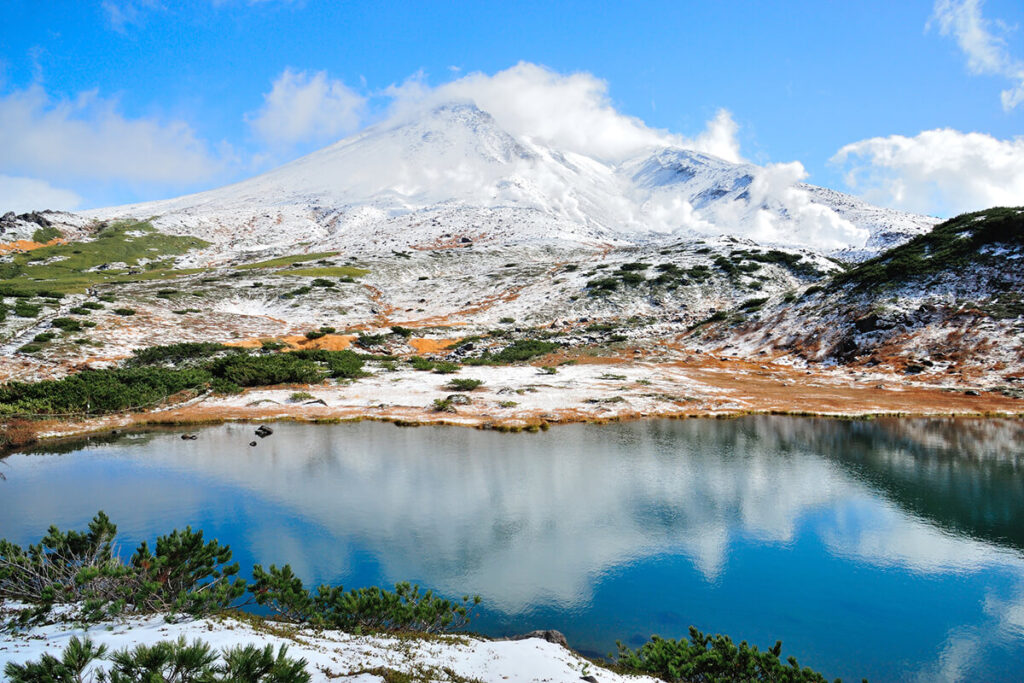
Asahidake Onsen and Tenninkyo Onsen are secluded hot spring resorts in Hokkaido at the foot of the Daisetsuzan mountain range. Asahidake Onsen is located on the northeastern side of the Daisetsuzan mountain range at an altitude of approximately 1,000m, making it one of the highest hot springs in Japan.
Lodges, mountain hut-style hotels, and ryokans are scattered throughout, allowing visitors to enjoy a mystical atmosphere amidst the primeval forest. The spring quality is a sulfate spring, said to be effective for neuralgia, cuts, peripheral circulatory disorders, sensitivity to cold, and more.
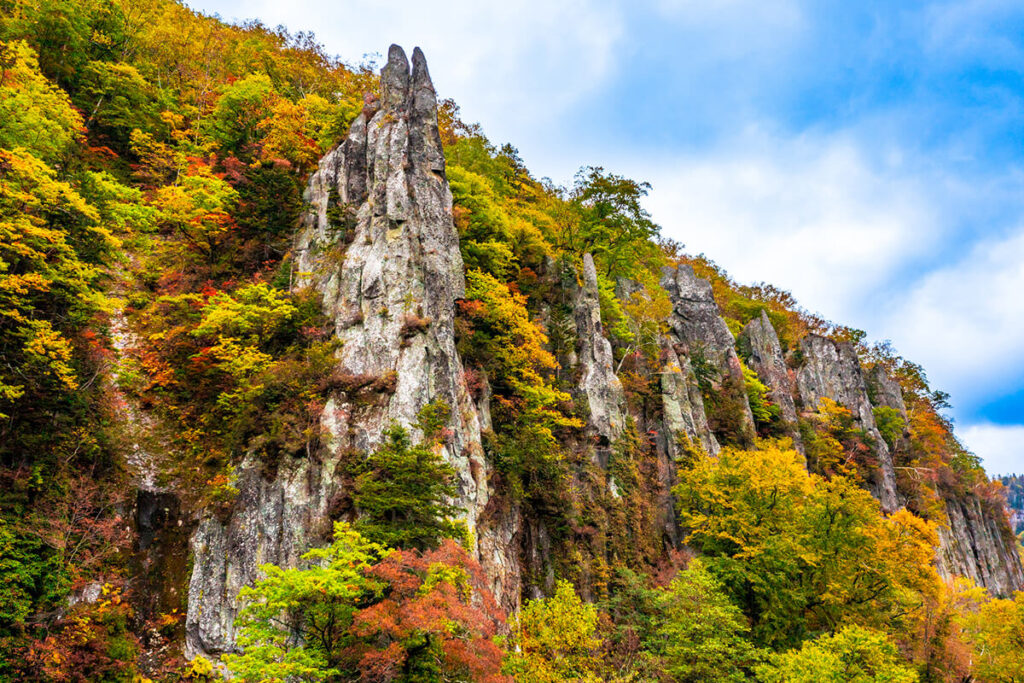
Tenninkyo Onsen is located approximately 40km southeast of Asahikawa, a secluded hot spring at the bottom of a gorge. It has sulfate and other spring qualities, which are said to be effective for joint stiffness, frozen shoulder, and motor paralysis. Tenninkyo Onsen has two inns, both offering natural hot springs.
The 100% naturally flowing "Tennyo no Ashiyu" (Goddess's Footbath) is free to use and popular with tourists. Both hot spring areas are within the Daisetsuzan National Park and are loved by climbers and tourists alike, with many people returning repeatedly.
| Main spring qualities | [Asahidake Onsen] Sulfate spring [Tenninkyo Onsen] Sulfate spring Sodium/Calcium/Magnesium-sulfate/bicarbonate/chloride spring (formerly called containing earth and salt - Glauber's salt spring) |
| Main health benefits | [Asahidake Onsen] Neuralgia, cuts, peripheral circulatory disorders, sensitivity to cold, depression, dry skin, rheumatism, diabetes, high blood pressure, etc. [Tenninkyo Onsen] Neuralgia, cuts, neuralgia, muscle pain, joint pain, joint stiffness, frozen shoulder, motor paralysis, etc. |
| Access | Approx. 70 minutes by car from Asahikawa-Kita IC Approx. 90 minutes by bus from JR Asahikawa Station |
| Featured hotels | ・La Vista Daisetsuzan ・Asahidake Onsen Yumoto Yukomansou ・Oyado Shikishima-so |
| Reference site | Higashikawa Tourism Association |
9. Kawayu Onsen | Strong acidic spring water for smooth skin
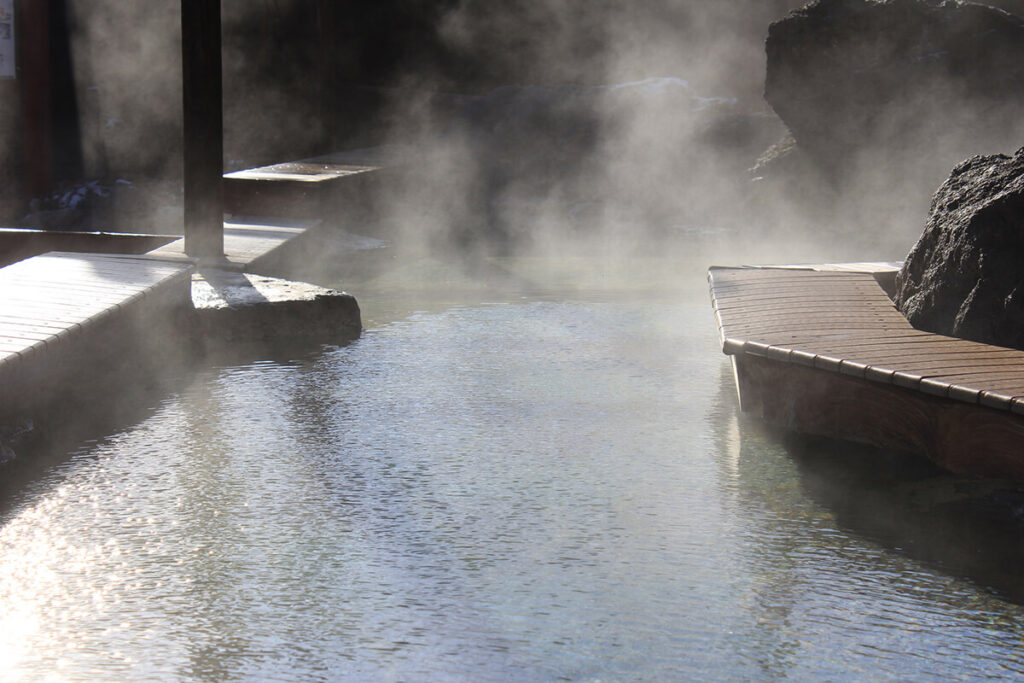
Kawayu Onsen is a 100% free-flowing hot spring resort in Teshikaga Town. It opened in 1886 (Meiji 19) and was named after the Ainu word "Seseshi-pet" (hot river), originally starting as a hot spring inn for sulfur miners. Located between Lake Kussharo and Lake Mashu, the hot springs flowing from the foot of Mt. Iouzan have various spring qualities. The main spring quality is acidic, sulfur-containing, iron-sodium-sulfate/chloride spring (hydrogen sulfide type). It is said to be effective for sensitivity to cold, fatigue recovery, cuts, chronic skin diseases, and due to its strong acidity, it improves blood circulation and has a skin-smoothing effect.
The hot spring town has many tourist hotels and ryokans, always bustling with activity. In the center of the hot spring town, there is a river where hot spring water flows, and an arbor where visitors can enjoy footbaths and handbaths is also popular.
| Main spring quality | Acidic, sulfur-containing, iron-sodium-sulfate/chloride spring (hydrogen sulfide type) |
| Main health benefits | Sensitivity to cold, fatigue recovery, cuts, chronic skin diseases, chronic gynecological diseases, menstrual disorders, diabetes, motor paralysis, etc. |
| Access | Approx. 120 minutes by car from Ashoro IC Approx. 50 minutes on foot from JR Kawayu Onsen Station |
| Featured hotels | ・Kawayu Onsen Kawayu Kanko Hotel ・Oyado Kinkiyu ・Oyado Kinkiyu Bettei Suikazura ・Kawayu Onsen KKR Kawayu |
| Reference site | Lake Mashu Tourism Association |
10. Shirogane Onsen | Popular resort area for outdoor activities
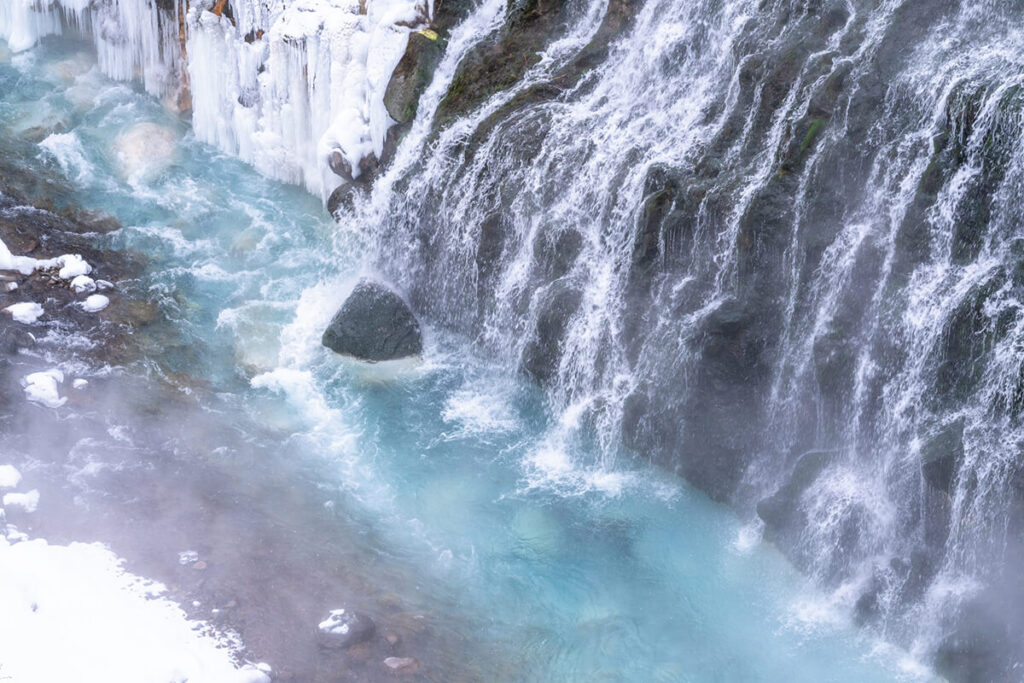
Shirogane Onsen is located in the southeast of Biei Town, Hokkaido, about 30 minutes by car from JR Biei Station and about 40 minutes by car from Asahikawa Airport. It is a hot spring resort spread across the northwestern foot of the Tokachidake mountain range, and the entrance to Biei is famous for its colorful lavender fields and panoramic roads.
The spring quality of Shirogane Onsen is sulfate and iron-containing, and it is effective for neuralgia, muscle pain, etc., and is also known as "Wasure-no-Yu" (the hot spring where you forget your cane). The baths are varied, including rock-carved open-air baths with a secluded hot spring atmosphere, heated pools, and public baths, all of which are available for day-trip use. Shirogane Onsen is also used as a base for climbing and hiking in the Tokachidake mountain range, and functions as a resort area for activities such as tennis, golf, skiing, and snowboarding.
| Main spring qualities | Sulfate and iron-containing spring (magnesium-calcium system) |
| Main health benefits | Neuralgia, muscle pain, chronic digestive diseases, chronic skin diseases, etc. |
| Access | Approx. 40 minutes by car from Asahikawa Airport Approx. 30 minutes by bus from Biei Station |
| Featured hotels | ・Daisetsuzan Shirogane Kanko Hotel ・Yumoto Shirogane Onsen Hotel ・Mori no Ryotei Biei |
| Reference site | Biei Town Tourism Association |
11. Sounkyo Onsen | A hot spring resort that was once a hidden retreat for climbers
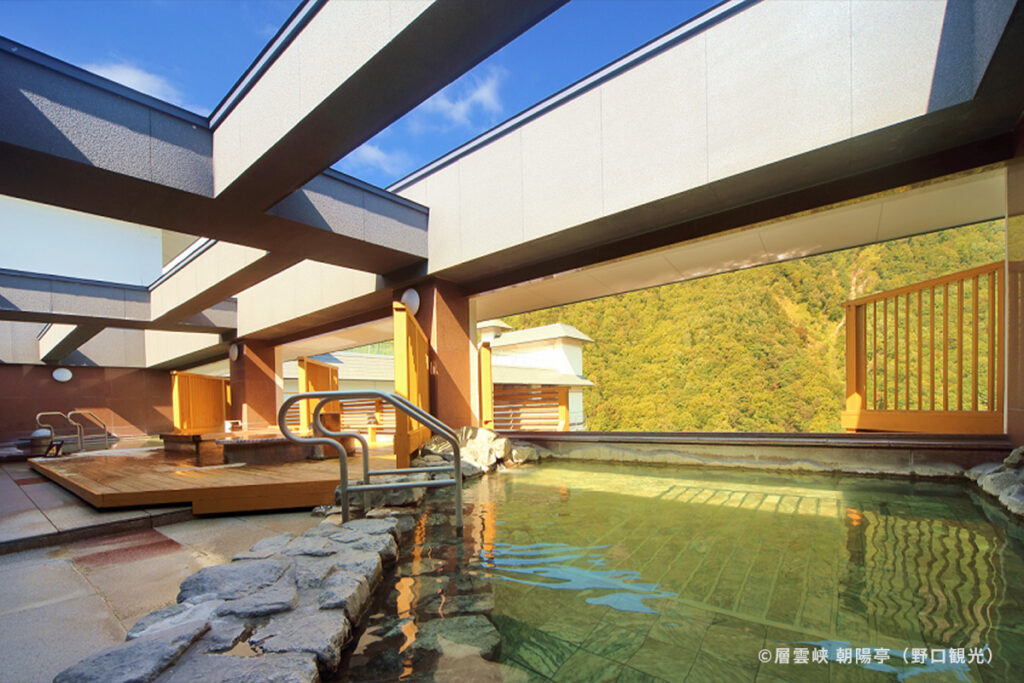
Sounkyo Onsen is a major hot spring resort in Hokkaido located on the northeastern side of the Daisetsuzan mountain range, discovered between 1954 and 1960. Discovered by an explorer at the end of the Edo period, it was once a hidden retreat for climbers, but has now become one of Hokkaido's leading resort hot springs.
The spring quality is simple sulfur spring, which is said to be effective for skin diseases, neuralgia, cuts, and more. With over 60 hot spring sources, the colorless, transparent, and mildly alkaline water is gentle on the skin and loved by people of all ages and skin types.
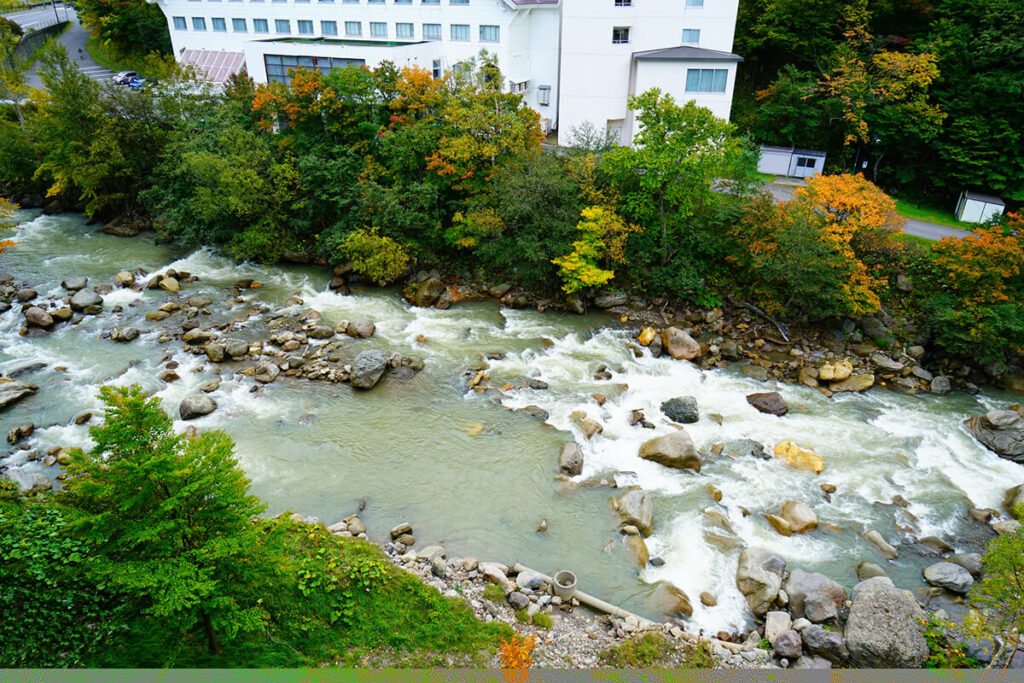
The hot spring town, with about 20 hotels and ryokans lined up along Sounkyo Gorge at the foot of Mt. Kurodake, is also known as one of Hokkaido's most scenic spots. The central part of the hot spring town has been developed as "Canyon Mall," and its European-style atmosphere is also a distinctive feature. In addition, around the hot spring resort, there are steep gorges over 600m high, columnar joint rock faces, and the famous waterfalls "Ginga no Taki" (Milky Way Falls) and "Ryusei no Taki" (Meteor Falls). The "Hyobaku Matsuri" (Ice Waterfall Festival) held in Sounkyo in winter is a popular event representing Hokkaido.
| Main spring qualities | Simple sulfur spring |
| Main health benefits | Skin diseases, neuralgia, cuts, diabetes, high blood pressure, etc. |
| Access | Approx. 3 hours by car from Sapporo Approx. 80 minutes by car from Asahikawa-Takasu IC Approx. 35 minutes by bus from JR Kamikawa Station |
| Featured hotels | ・Hotel Taisetsu ONSEN & CANYON RESORT ・Sounkaku MOUNTAIN RESORT 1923 (formerly Sounkaku Grand Hotel) ・Sounkyo Onsen Choyo Resort Hotel ・Sounkyo Onsen Sounkyo Kanko Hotel |
| Reference site | Sounkyo Tourism Association |
12. Niseko Onsenkyo | Diverse hot springs scattered throughout
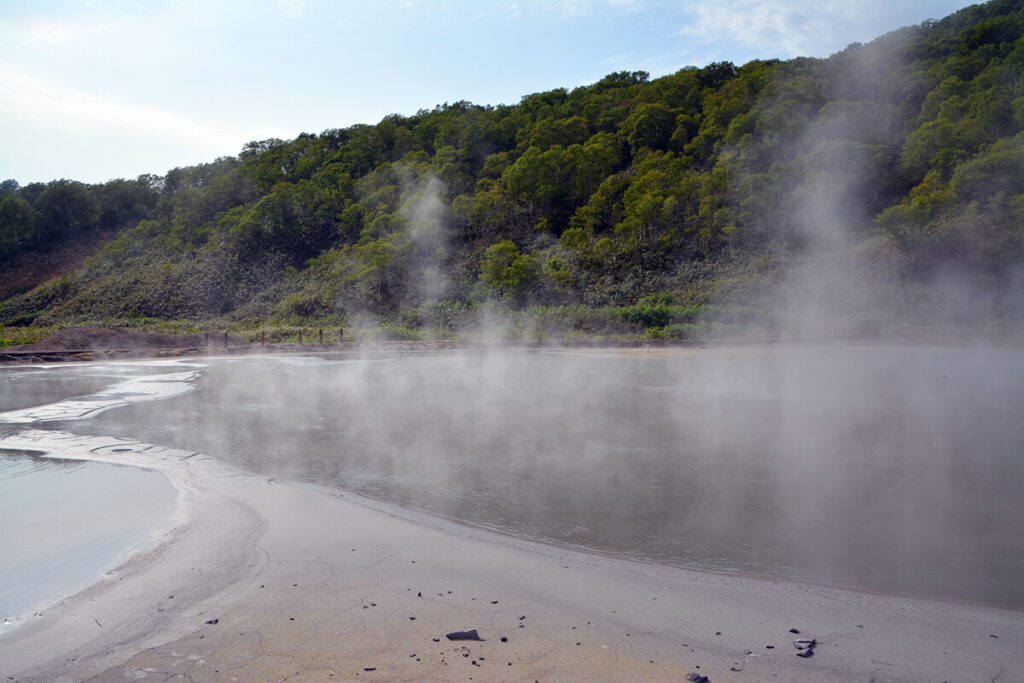
This hot spring resort is nestled at the foot of the Niseko mountain range, centered around Hokkaido's volcano "Niseko Annupuri," and Mt. Yotei, offering an abundance of natural beauty. Various hot springs such as Konbugawa Onsen, Annupuri Onsen, Niimi Onsen, Yumoto Onsen, Goshiki Onsen, and Higashiyama Onsen are scattered throughout, earning it the moniker "Hot Spring Paradise." The main spring qualities are sodium-chloride/bicarbonate/sulfate, with spring temperatures ranging from 37 to 80°C.
The surrounding area boasts many resort hotels and pensions with excellent facilities and services, as well as single-inn hot springs. Niseko's nature allows for activities such as canoeing and hot air ballooning in summer, and skiing in winter, and the open-air baths surrounded by nature are also appealing. At Niseko Onsenkyo, you can visit multiple hot springs using the "Niseko Yumeguri Pass" (Niseko Hot Spring Hopping Pass).
| Main spring qualities | Sodium-chloride/bicarbonate/sulfate, sodium-bicarbonate/sulfate spring Sodium-bicarbonate/sulfate/chloride spring Sulfur-containing-sodium/calcium-chloride/bicarbonate, etc. |
| Main health benefits | Neuralgia, muscle pain, sensitivity to cold, chronic digestive diseases, chronic gynecological diseases, chronic arthritis, muscle pain, chronic dermatitis, fatigue recovery, cuts, etc. |
| Access | Approx. 50 minutes by car from Kuromatsunai JCT |
| Featured hotels | ・Niseko Northern Resort An'nupuri ・Niseko Konbu Onsen Hotel Kanro no Mori ・Niseko Konbu Onsen Tsuruga Besso Moku no Sho ・Niseko Onsenkyo Ikoinoyuyado Iroha |
| Reference site | Niseko Resort Tourism Association |
13. Kitayuzawa Onsen | Colorless and odorless hot springs gushing from the bottom of Osaru River
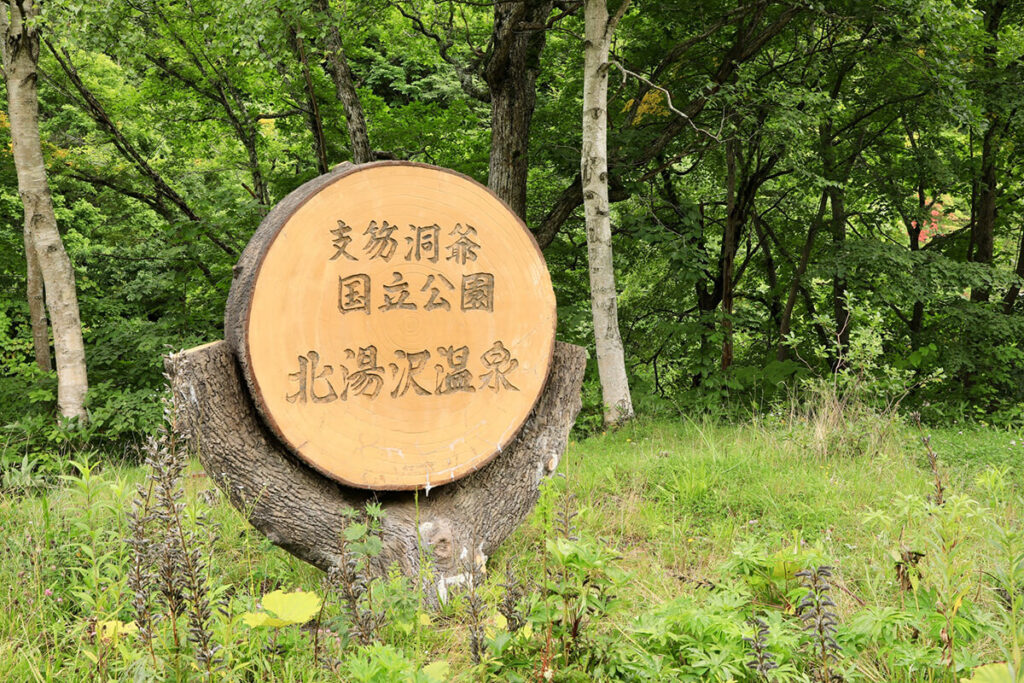
Kitayuzawa Onsen is a hot spring resort located in the southern part of Otaki Village, in the central part of Shikotsu-Toya National Park. It is easily accessible from Sapporo, Tomakomai, Otaru, Chitose, and other areas. It is a hot spring that gushes from the riverbed of Hokkaido's Osaru River, with a simple hot spring (hypotonic weakly alkaline high temperature spring) quality. The colorless and odorless water is said to be effective for neuralgia, muscle pain, rheumatism, and skin diseases.
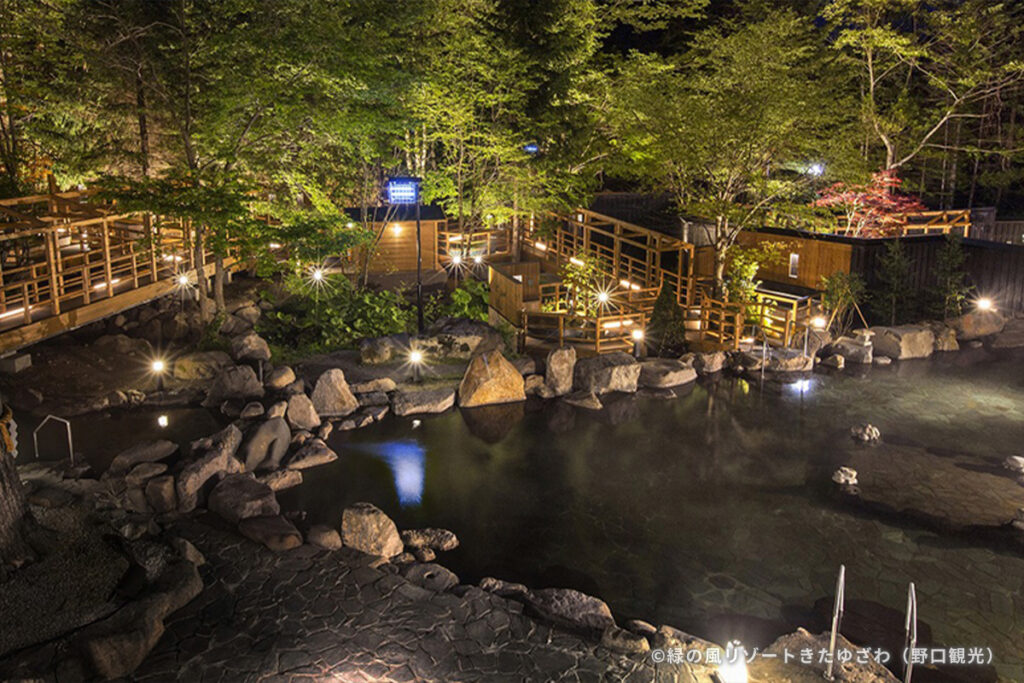
The surrounding area is blessed with nature, and the beauty of the autumn leaves in the Osaru River Valley is particularly famous. There are nine inns in the hot spring town, and although there are no public baths, many ryokans offer day-trip bathing.
In addition, nearby natural spots include Sankaidaki Waterfall and Mt. Horohoro. Furthermore, Kitayuzawa Onsen's charm also lies in its outdoor activities suitable for groups and families, such as Kitayuzawa Ski Resort, Tenguyama Park, and tennis courts.
| Main spring qualities | Simple hot spring (hypotonic, weakly alkaline, high-temperature hot spring) |
| Main health benefits | Neuralgia, muscle pain, rheumatism, skin diseases, sensitivity to cold, etc. |
| Access | Approx. 40 minutes by car from Date IC Approx. 35 minutes by car from JR Date-Monbetsu Station |
| Featured hotels | ・Kitayuzawa Onsenkyo Yumoto Horohoro Sanso ・Midorinokaze Resort Kitayuzawa ・Kitayuzawa Mori no Solaniwa |
| Reference site | Date Tourism Association |
14. Utoro Onsen | Hot spring resort overlooking the sunset over the Sea of Okhotsk
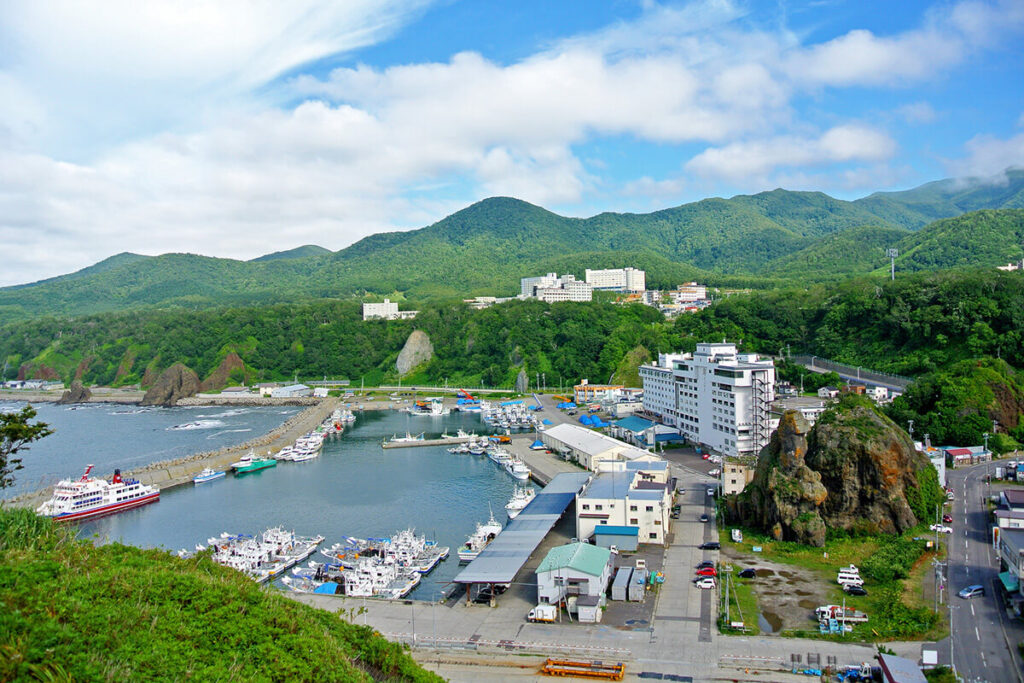
Utoro Onsen is a hot spring resort located on the western side of the World Heritage site "Shiretoko Peninsula," facing the Sea of Okhotsk. It was developed through boring in the early 1960s. The hot spring water, 100% free-flowing from its source, has spring qualities such as sodium-chloride/bicarbonate spring, characterized by a pleasant, smooth feel on the skin. It is weakly alkaline and said to be effective for cuts, sensitivity to cold, and more.
The hot spring town has six large hotels, one public bathing facility, and several guesthouses and ryokans, and a major attraction is the beautiful sunset over the Sea of Okhotsk.
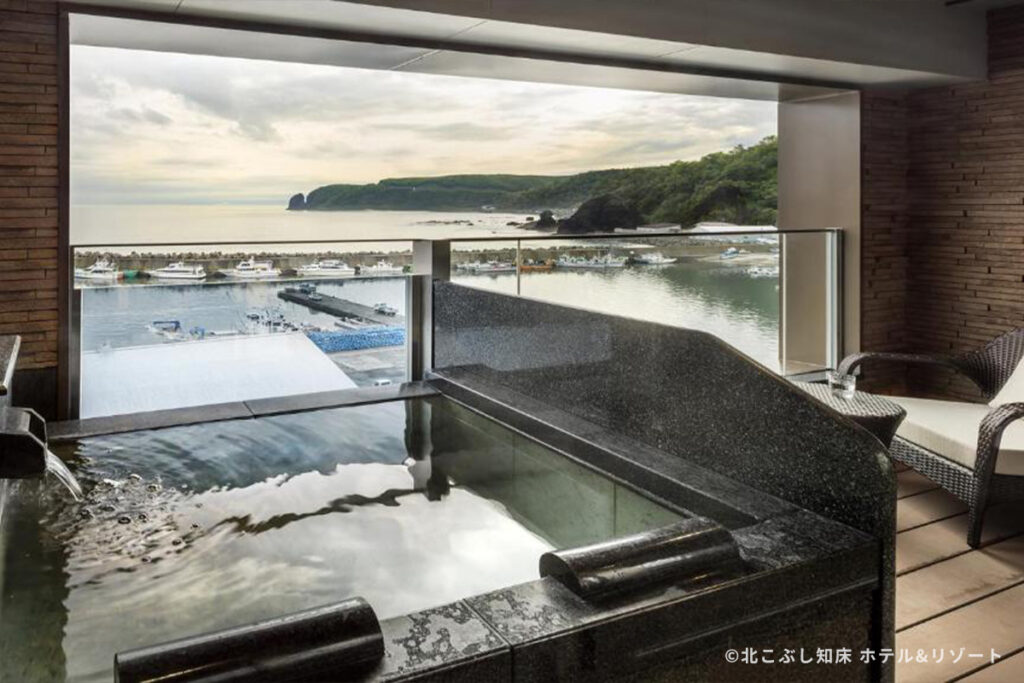
The surrounding area offers natural spots such as Mount Rausu, Shinsennuma Marsh, and Mount Horohoro, as well as magnificent scenery like the Shiretoko sightseeing boat, Oshinkoshin Falls, and Shiretoko Five Lakes. Accommodations also offer delicious fresh seafood, local vegetables, and venison.
| Main spring qualities | Sodium-chloride/bicarbonate spring (isotonic weakly alkaline high-temperature spring), chloride spring |
| Main health benefits | Neuralgia, muscle pain, cuts, peripheral circulatory disorders, sensitivity to cold, depression, dry skin, etc. |
| Access | Approx. 5 hours 45 minutes by car from Sapporo Approx. 3 hours by car from Engaru-Setose IC Approx. 50 minutes by car from JR Shiretoko-Shari Station |
| Featured hotels | ・Kitakobushi Shiretoko Hotel & Resort ・KIKI Shiretoko Natural Resort ・Utoro Onsen Shiretoko Daiichi Hotel ・Shiretoko Noble Hotel |
| Reference site | Shiretoko Shari Tourism Association |
15. Akan-ko Onsen | The largest hot spring resort in Eastern Hokkaido
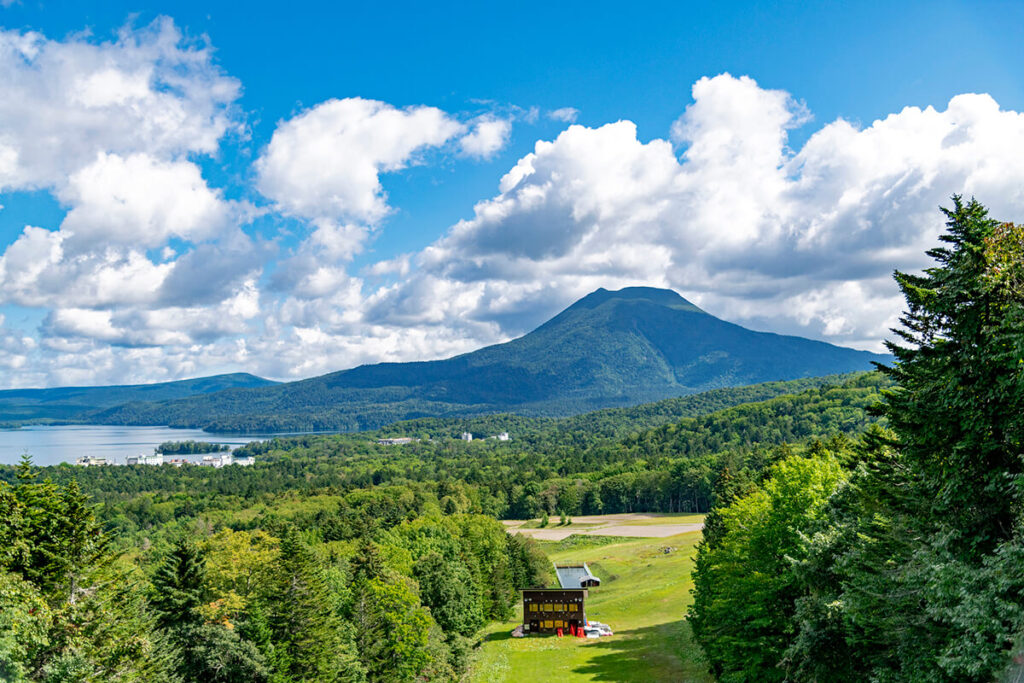
Akan Lake Onsen is a hot spring resort located on the southern side of Lake Akan. It is said that the hot spring resort originated with a small, simple lodging house that opened in 1908 (Meiji 41) after the hot spring was first discovered in 1901 (Meiji 34). Currently, it is the largest hot spring resort in Eastern Hokkaido, with about 30 hotels, ryokans, restaurants, and souvenir shops. It has simple hot spring water and hydrogen sulfide spring water, which are slightly yellowish-brown and clear. It is characterized by the smooth texture typical of alkaline springs, leaving the skin feeling moisturized after bathing.
Many of the ryokans and hotels face the lake, offering magnificent views of Lake Akan from the rooms and open-air baths. The hot spring town also has hand and foot baths, and you may even spot wild Ezo deer and red foxes during a lakeside stroll. The largest Ainu Kotan (Ainu village) in Hokkaido is also adjacent, offering a unique opportunity to experience Ainu culture firsthand.
| Main Spring Water Qualities | Simple hot spring, hydrogen sulfide spring |
| Main Benefits | Neuralgia, sensitivity to cold, fatigue recovery, rheumatism, chronic digestive diseases, hemorrhoids, etc. |
| Access | About 4 hours by car from Sapporo About 60 minutes by car from Kushiro Airport About 2 hours by bus from JR Kushiro Station |
| Representative Hotels | ・Akan Yukyu no Sato Tsuruga ・Akan Lake Tsuruga Wings ・Akan Lake Onsen Akan Tsuruga Besso Hinanoza ・New Akan Hotel Akan Lake畔 Onsen |
| Reference Site | Akan Lake Onsen Ryokan Association |
Frequently Asked Questions about Hot Springs in Hokkaido
Here are answers to the following three frequently asked questions about hot springs in Hokkaido:
Frequently Asked Questions
Q. What are the three major hot springs in Hokkaido?
Q. How many hot springs are there in Hokkaido?
Q. Where is the largest hot spring resort in Hokkaido?
Q. What are the three major hot springs in Hokkaido?
The three major hot springs in Hokkaido are Jozankei Onsen, Yunokawa Onsen, and Noboribetsu Onsen. These hot springs are conveniently located, with Jozankei Onsen and Yunokawa Onsen easily accessible from Sapporo, and Noboribetsu Onsen easily accessible from Hakodate. They are also close to tourist areas, making them particularly popular among Hokkaido's hot spring resorts.
Q. How many hot springs are there in Hokkaido?
According to the Ministry of the Environment, Hokkaido has 234 hot spring resorts. A characteristic of Hokkaido's hot springs is the abundant amount of water that springs forth from each resort, as well as the wide variety of water qualities. The benefits vary depending on the water quality, and some can even be drunk, so when visiting hot springs in Hokkaido, be sure to learn about the water quality to fully enjoy your experience.
*Reference: FY2020 Hot Spring Usage Status|Ministry of the Environment
Q. Where is the largest hot spring resort in Hokkaido?
The largest hot spring resort in Hokkaido is Noboribetsu Onsen. To the south is Lake Kuttara, to the northeast is Lake Shikotsu, and to the west is Lake Toya. Noboribetsu Onsen is a hot spring region formed by the massive caldera zone surrounding these active volcanoes. It boasts 10,000 tons of hot spring water per day and is also known as the "department store of hot springs."
Summary
Jozankei Onsen, Noboribetsu Onsen, and Yunokawa Onsen are known as the "Three Great Hot Springs of Hokkaido" and are popular hot spring resorts nationwide. Hokkaido has a total of 234 hot spring resorts, so why not enjoy everything from popular hot springs to hidden hot springs?