
Hokkaido Sapporo's 19 Most Popular Tourist Attractions
19 Must-Visit Spots for First-Time Visitors to Sapporo
Sapporo is a particularly popular destination within Hokkaido, a region renowned for its tourism.
This article provides comprehensive information for those planning their first trip to Sapporo, covering essential topics such as classic tourist attractions, popular restaurants, and recommended accommodations.
By reading this article to the end, you'll be able to create an itinerary that allows you to fully enjoy Sapporo.
Sapporo, the prefectural capital of Hokkaido, is the fourth most populous city in Japan.
The area around Sapporo Station boasts a sophisticated cityscape with numerous commercial facilities, yet just a short distance away, Hokkaido's magnificent nature unfolds. This harmony between urban life and nature is Sapporo's greatest charm.
Access is excellent, with a rapid express train from "New Chitose Airport," the gateway to Hokkaido, reaching Sapporo Station in as little as 33 minutes.
Additionally, with a wealth of popular tourist spots and restaurants representing Hokkaido, Sapporo often serves as the central hub for Hokkaido itineraries.
Odori Park and Susukino, one of Japan's three major entertainment districts, are located in Sapporo. You can also savor Hokkaido's signature dishes here, such as Sapporo miso ramen, Genghis Khan (grilled lamb), and seafood.
Furthermore, Sapporo hosts many large-scale events, including the "Sapporo Snow Festival," one of the world's three largest snow festivals.
The snow-covered night view of Sapporo is also beautiful, making it an enjoyable destination regardless of the season or time of day.

While Sapporo offers attractions and events throughout all four seasons, winter is especially recommended.
With heavy snowfall, the entire city of Sapporo is blanketed in snow, and with the addition of illuminations at night, a beautiful winter landscape unfolds.
The night view sparkling in the crisp air is a unique charm of winter Sapporo that stands apart from other seasons.
During the "Sapporo White Illumination" and "Sapporo Snow Festival," the city is adorned with fantastical scenes, attracting many tourists.
Another great appeal is that there are ski resorts not only in the outskirts but also within the city of Sapporo, allowing visitors to enjoy winter sports alongside sightseeing.
Sapporo miso ramen, which warms you to the core in the cold, is also a classic winter gourmet dish you won't want to miss.
Winter Sapporo, where you can enjoy snowscapes, events, and gourmet food all at once, is particularly recommended for first-time visitors.
- Spring (March - May): Thick sweater, coat
- Summer (June - August): Short-sleeved shirt, long-sleeved shirt
- Autumn (September - November): Sweater, jacket, coat
- Winter (December - February): Thick sweater, down jacket, scarf
Let's introduce how to get to Sapporo Station, the main station in Sapporo, focusing on New Chitose Airport, Tokyo, and Osaka.
- Access from New Chitose Airport
- Approximately 40 minutes by JR Chitose Line Special Rapid Airport from New Chitose Airport Station.
- Access from Tokyo
- 1 hour 30 minutes from Haneda Airport to New Chitose Airport, then approximately 40 minutes from New Chitose Airport to Sapporo Station. Total of 2 hours 10 minutes.
- Access from Osaka
- Approximately 1 hour 50 minutes from Osaka International Airport to New Chitose Airport, then approximately 40 minutes from New Chitose Airport to Sapporo Station. Total of 2 hours 30 minutes.
Compared to other regions of Hokkaido, Sapporo has a well-developed transportation system.
The main modes of transportation vary by area, as follows:
- Sapporo City Center
- Subway, streetcar, local bus
- Sapporo Suburbs
- Local bus
While you can get around Sapporo city center without a rental car, it's more convenient to use one if you plan to travel to the suburbs.

If you're visiting Sapporo for the first time, you'll likely want to start with the classic tourist spots.
Here, we've carefully selected only the quintessential attractions among Sapporo's many offerings.
We hope you enjoy your first Sapporo trip, focusing on these classic spots.
"Shiroi Koibito" is a renowned confection representing Sapporo.
Shiroi Koibito Park is a confectionery theme park where visitors can not only observe the production lines of "Shiroi Koibito" and other sweets, but also learn about the history of chocolate and enjoy making their own "Shiroi Koibito."
It offers a plethora of content for chocolate lovers, including "Chocotopia House," which introduces the four major revolutions in chocolate through projection mapping, and "Study Base Cacao Pod," where you can learn how to taste chocolate.
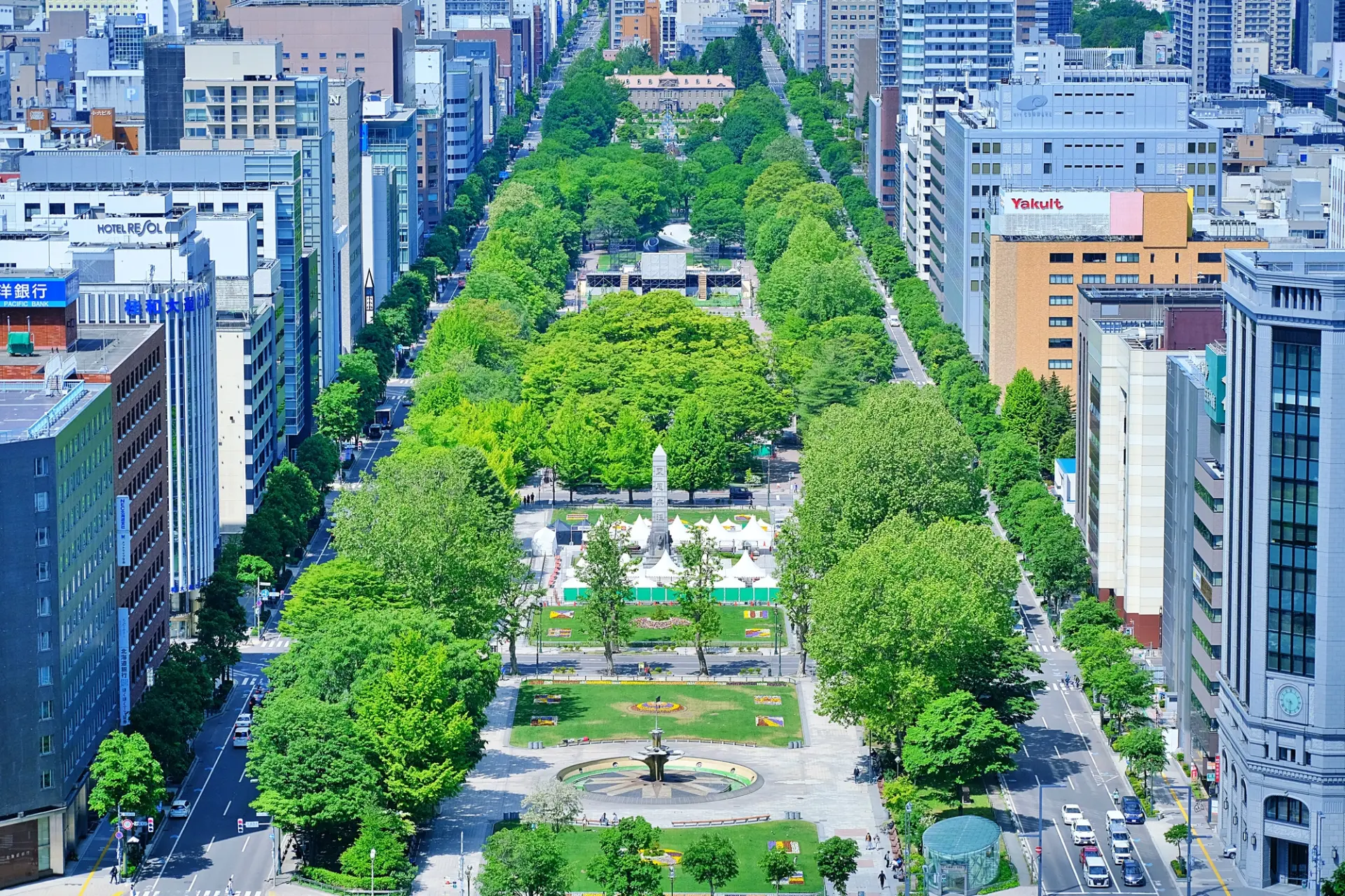
Odori Park is located in the heart of Sapporo. Surrounded by approximately 4,700 trees of 92 species, including lilacs and Japanese elms, and featuring lawns and fountains as places of relaxation, it is cherished by both tourists and residents as an oasis in the office district.
Odori Park is also known as a venue for events such as the Sapporo Lilac Festival and the YOSAKOI Soran Festival. Among these, the Sapporo Snow Festival is particularly popular, attracting approximately 2 million visitors from Japan and abroad each year.

The Hitsujigaoka Observation Hill offers a magnificent natural landscape despite being in the metropolitan city of Sapporo with a population of 2 million.
In spring, young green pastures welcome visitors, while in summer, lavender fields bloom. Autumn brings vibrant fall foliage, and winter transforms the landscape into a pristine white carpet of snow.
It's an excellent photo spot featuring a grand seasonal panorama.

Moerenuma Park, an art park, was created as part of the Sapporo Green Belt concept, aiming to envelop the city center with a belt of parks and greenery.
The entire park was designed as a sculptural work by artist Isamu Noguchi, showcasing various expressions to visitors as the seasons change.

"Sapporo Nijo Market" is said to have originated in the early Meiji period when fishermen from Ishikarihama began selling fresh fish.
The market also boasts numerous restaurants. A distinctive feature is the abundance of establishments where you can enjoy seafood dishes such as sushi, kaisendon (seafood rice bowls), and aburi-yaki (seared dishes).
For those who just want a quick bite, the eat-in corners attached to some fresh fish stores are recommended.

The "Sapporo Outer Market" is directly connected to the Sapporo Central Wholesale Market.
Within the facility, divided into 10 blocks, approximately 60 shops line the bustling streets, overflowing with delicious Hokkaido ingredients.
The market gathers fresh seafood from Hokkaido, such as king crab, hairy crab, snow crab, and Hanasaki crab, as well as ingredients nurtured by the vast northern land, including melons, potatoes, and corn.
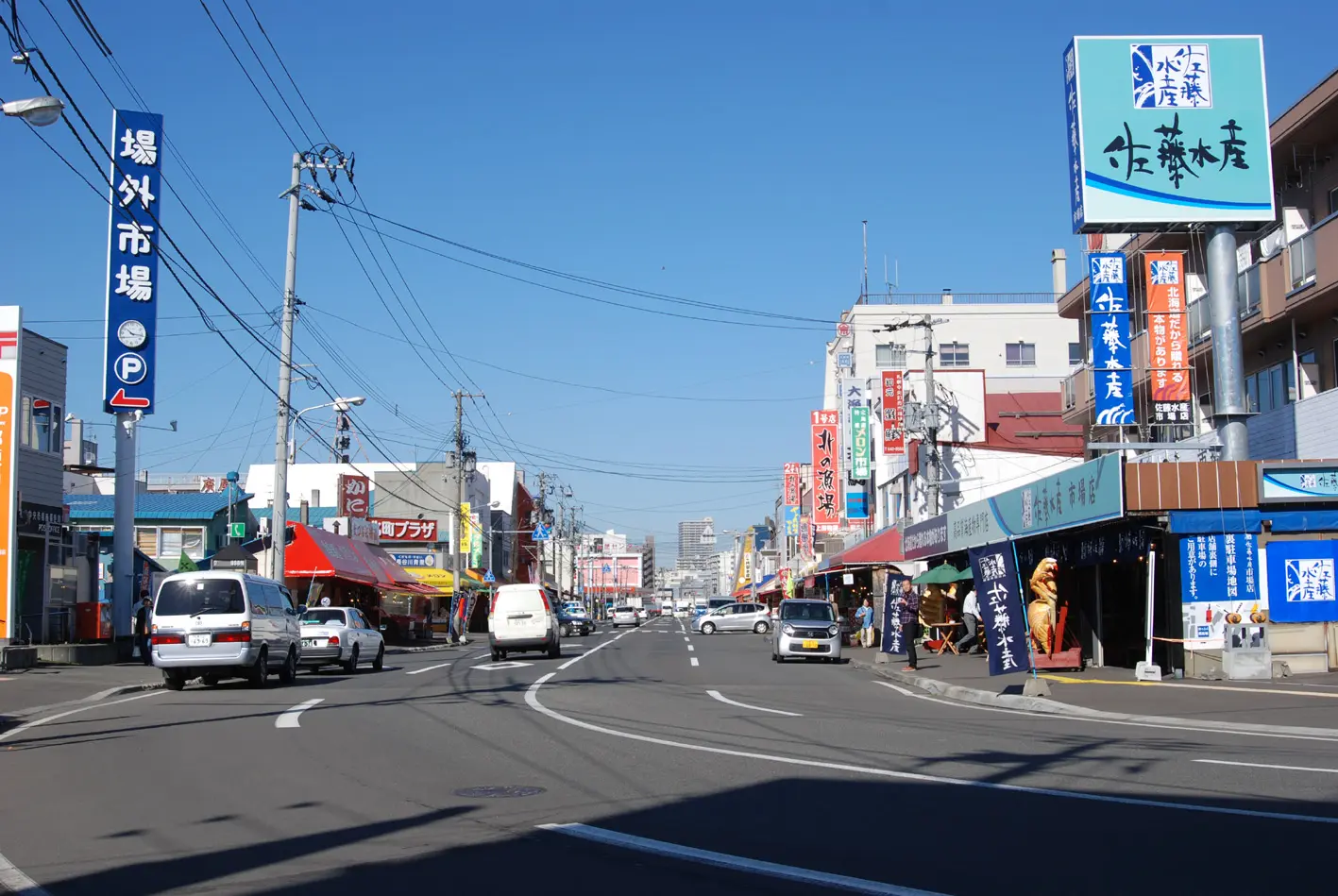
"Tanukikoji Shopping Street" is one of Hokkaido's oldest shopping streets, boasting over 145 years of history.
Located in the heart of Sapporo, it stretches approximately 900 meters from east to west, with about 200 shops lining the street. The arcade connecting the shops makes it enjoyable for shopping, strolling, and dining even on bad weather days.
Old established businesses, craft shops, and souvenir stores are lined up, creating a retro atmosphere.

Maruyama Park, located north of the Maruyama Primeval Forest, has long been cherished as a famous cherry blossom viewing spot. The park is home to approximately 120 cherry trees, including Ezo mountain cherries and Somei Yoshino, and is bustling with hanami (cherry blossom viewing) visitors in spring. The park also features a cedar forest and large katsura trees, making it ideal for observing nature, including squirrels, wild plants, and wild birds. Additionally, it houses Maruyama Zoo, Hokkaido's first zoo, where visitors can observe various animals, including polar bears and seals.
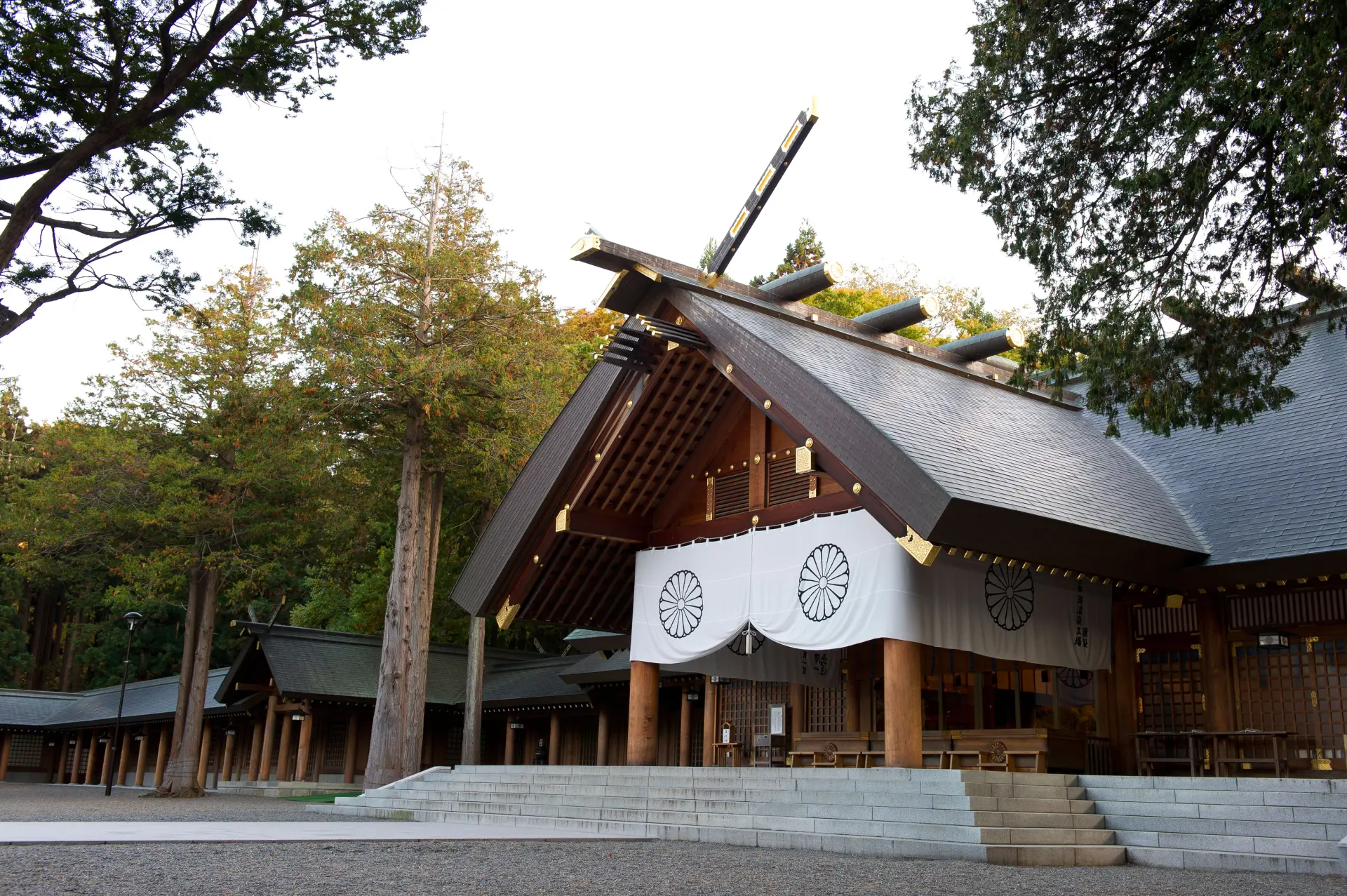
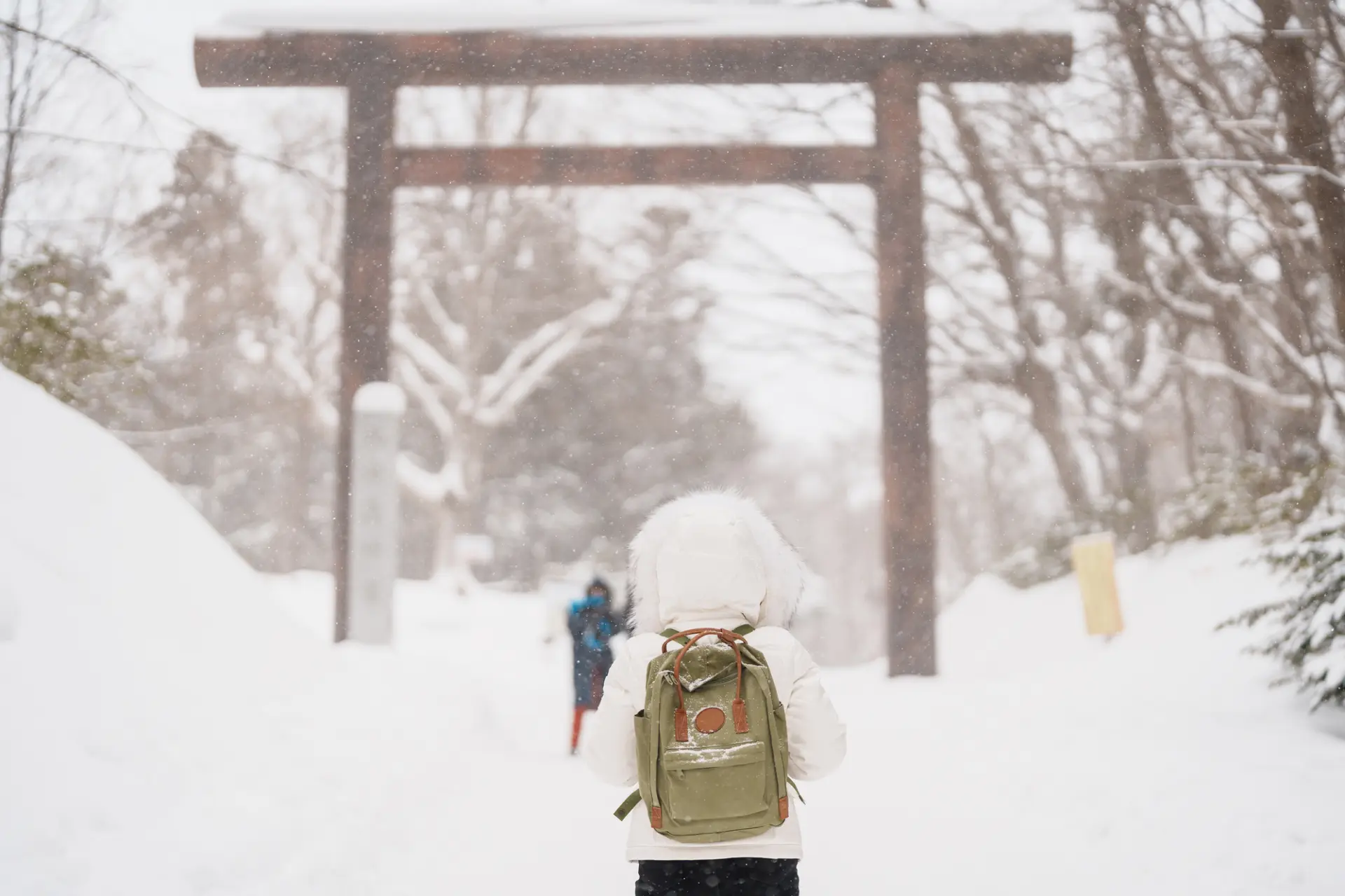
Hokkaido Jingu Shrine, located in Sapporo's Chuo Ward, is a prominent shrine in Hokkaido.
It attracts many worshippers throughout the year, with over 700,000 visitors annually, especially during the New Year's first shrine visit (hatsumode).
The shrine is also known for its cherry blossoms and plum blossoms, where visitors can enjoy approximately 1,100 cherry trees and 120 plum trees during their respective seasons.
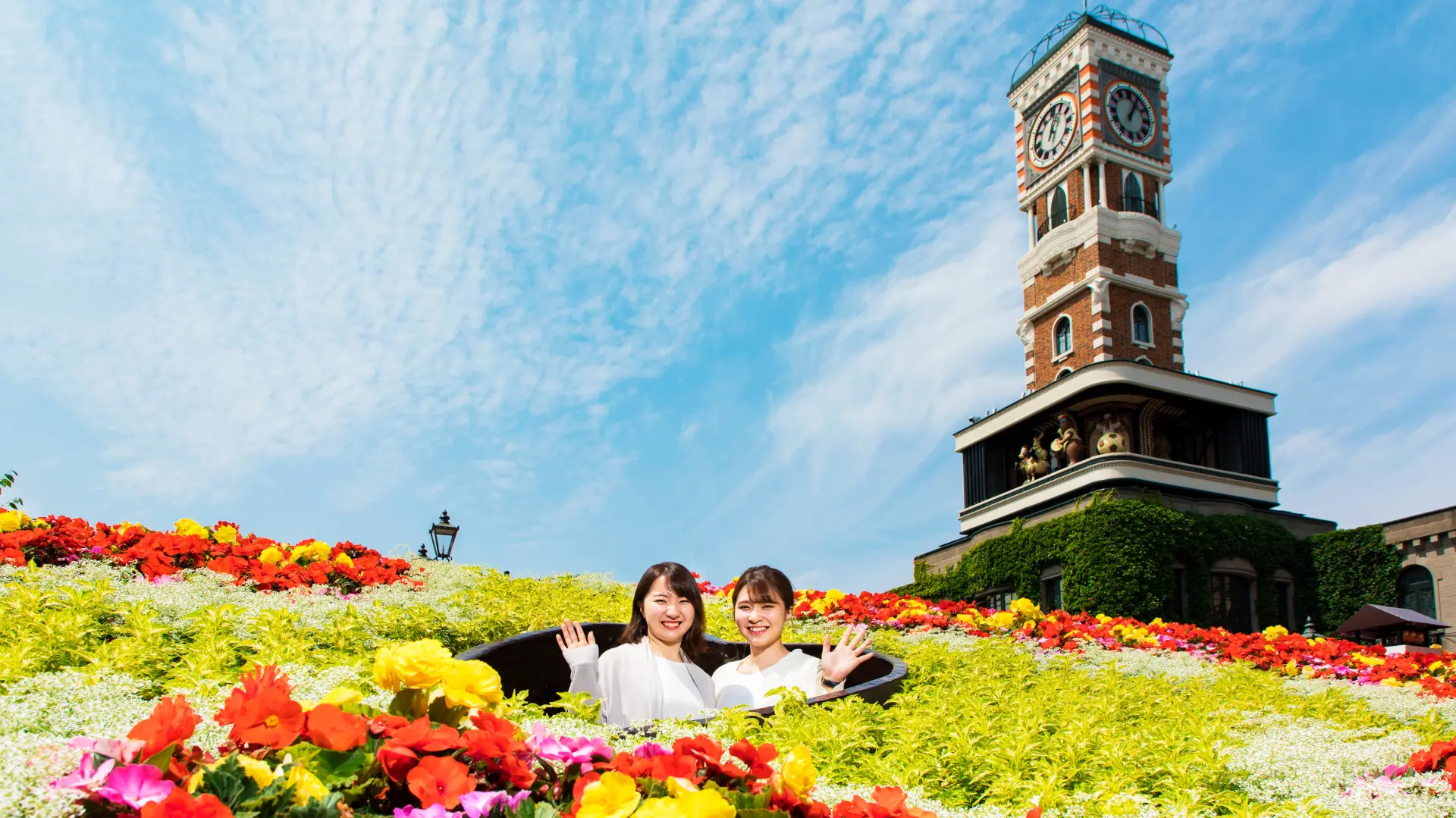
The Sapporo Clock Tower was originally built as a drill hall for the Sapporo Agricultural College, which was established to train leaders for the development of Hokkaido.
Under the direction of Kiyotaka Kuroda, the Chief of the Hokkaido Development Commission, who visited for the completion ceremony, the Sapporo Clock Tower, now beloved as a landmark of Sapporo, was completed.
Extensive conservation and repair work was carried out from 1995 to 1998, and it was then organized as a museum.

This building served as the base and center of Hokkaido's administration for approximately 80 years until the completion of the current Hokkaido Government Office. The former building, commonly known as "Akarenga Chosha" (Red Brick Office), was constructed using about 2.5 million bricks, and its historical charm can be felt through its distorted glass and American Neo-Baroque architectural style.

12. Okurayama Jump Stadium (Okurayama Observatory)
"Okurayama Jump Stadium," located at the summit of Mt. Okura, was the venue for the 1972 Winter Olympics in Sapporo.
The view from the observation deck is also a popular attraction. It is a unique observation facility that offers a panoramic view of Sapporo over the ski jump. From an altitude of 307m, you can see Sapporo city and the Ishikari Plain over the approach slope.

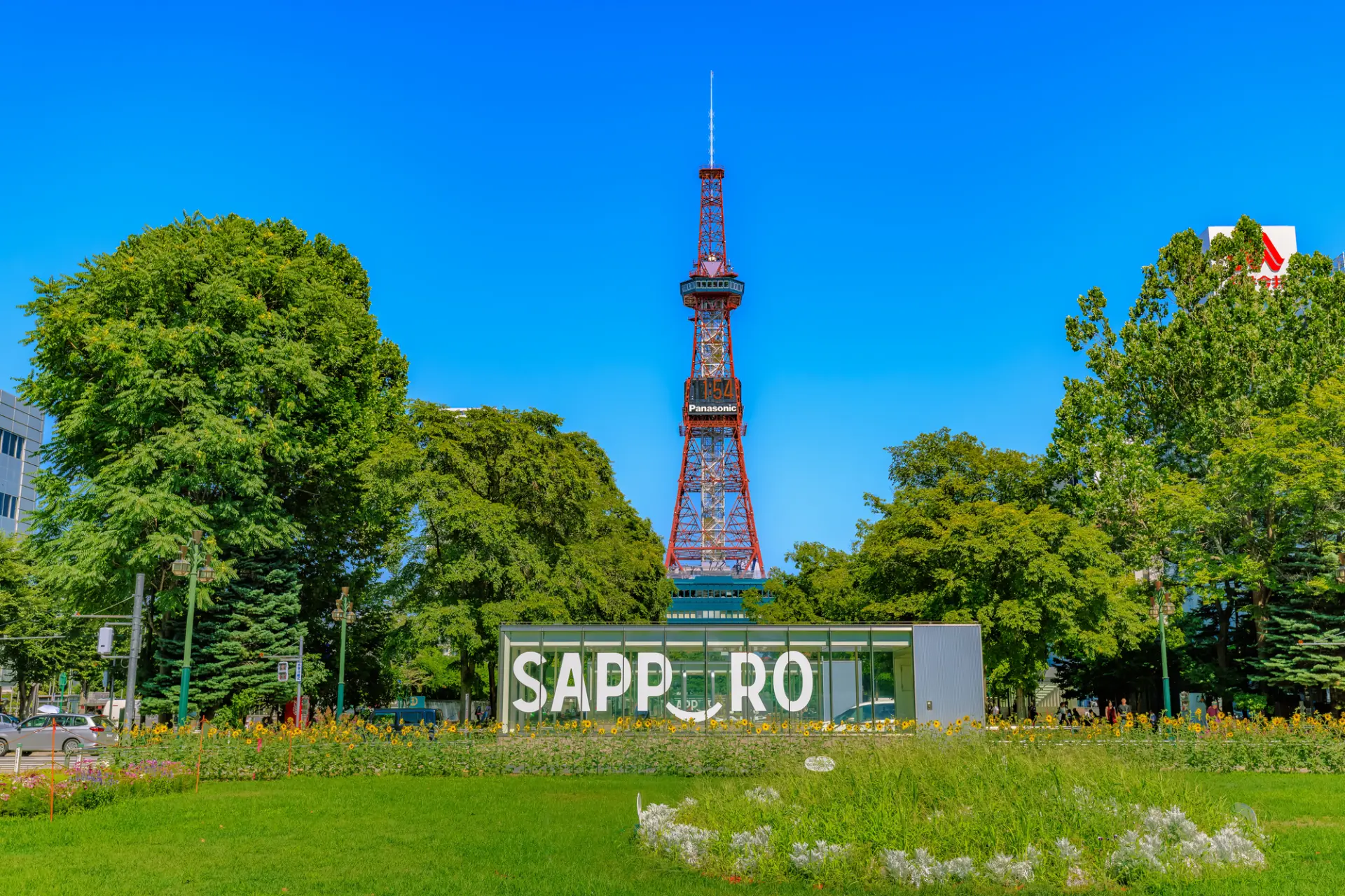
The Sapporo TV Tower, built in 1956 at West 1-chome, the starting point of Odori Park, has been a beloved landmark of Sapporo, witnessing the city's development ever since. The observation deck, approximately 90m above ground, offers a magnificent view of Sapporo city, and on clear days, you can even see the Ishikari Plain and the Sea of Japan.

Located about 20 minutes from the center of Sapporo by public transportation, this 531m-high mountain still preserves its primeval forest.
From the observation deck at the summit, you can overlook the Ishikari Plain and even catch a glimpse of the Sea of Japan in the distance.
While the magnificent daytime view is impressive, the nighttime view is particularly stunning and has been selected as one of Japan's "New Top Three Night Views."

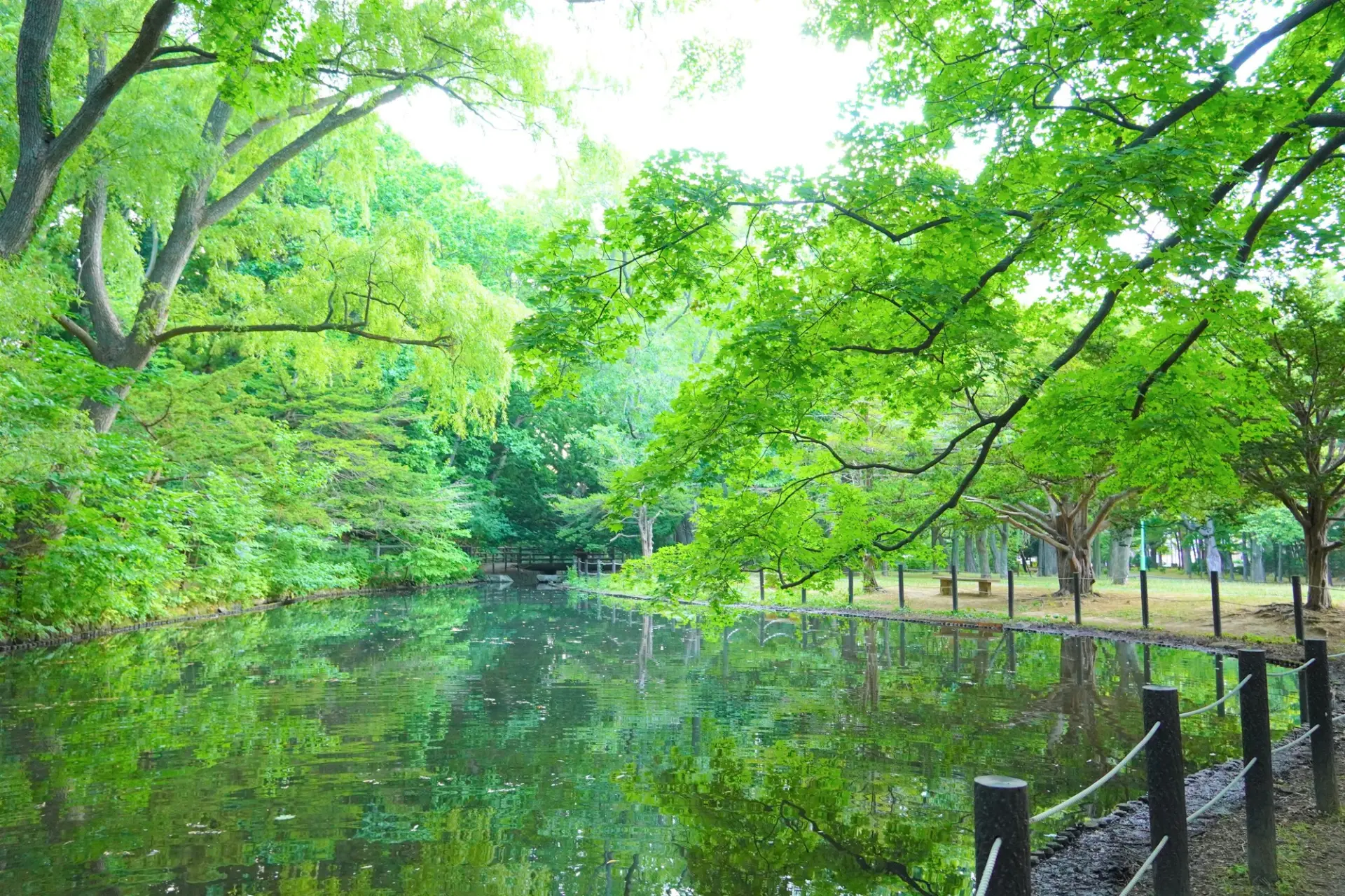
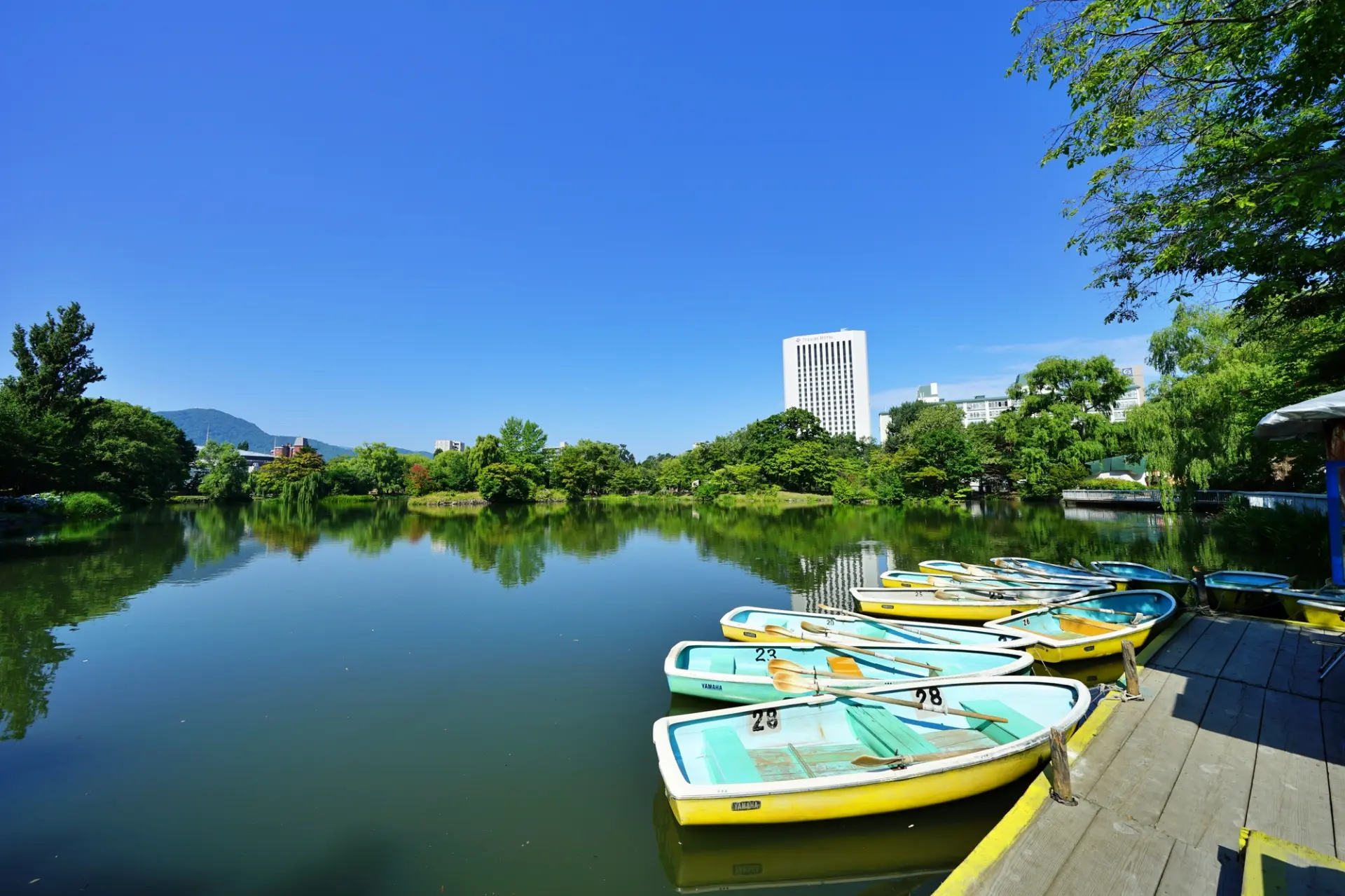
Nakajima Park, located in the heart of Sapporo, is surrounded by lush greenery.
It is a popular park in Sapporo, attracting many tourists throughout the year who come to enjoy its seasonal scenery.
A distinctive feature of Nakajima Park is its Japanese garden, where a serene, traditional Japanese atmosphere flows.
There is also the Hassoan teahouse, designated as a National Important Cultural Property, allowing visitors to see the exterior of this historically valuable building.
As Japan's only beer museum, it offers visitors a chance to delve into the history of Hokkaido's development and the passion of pioneers who dedicated themselves to Japanese beer brewing. For those exploring the museum, participating in the guided "Premium Tour" (fee required) is highly recommended. In addition to the "Premium Theater," which revisits the history of Hokkaido's development with 6K video, visitors can see valuable exhibits such as advertising posters and beer bottles used at the time, all while listening to detailed explanations.

An open-air museum adjacent to the vast and naturally rich Nopporo Forest Park.
As its name suggests, it exhibits buildings from various locations that were relocated, restored, and reproduced from Hokkaido's pioneering era, specifically from the Meiji period to the early Showa period.
Within its 54.2-hectare grounds, it is divided into four areas: urban, fishing village, farming village, and mountain village, with 52 buildings lined up.

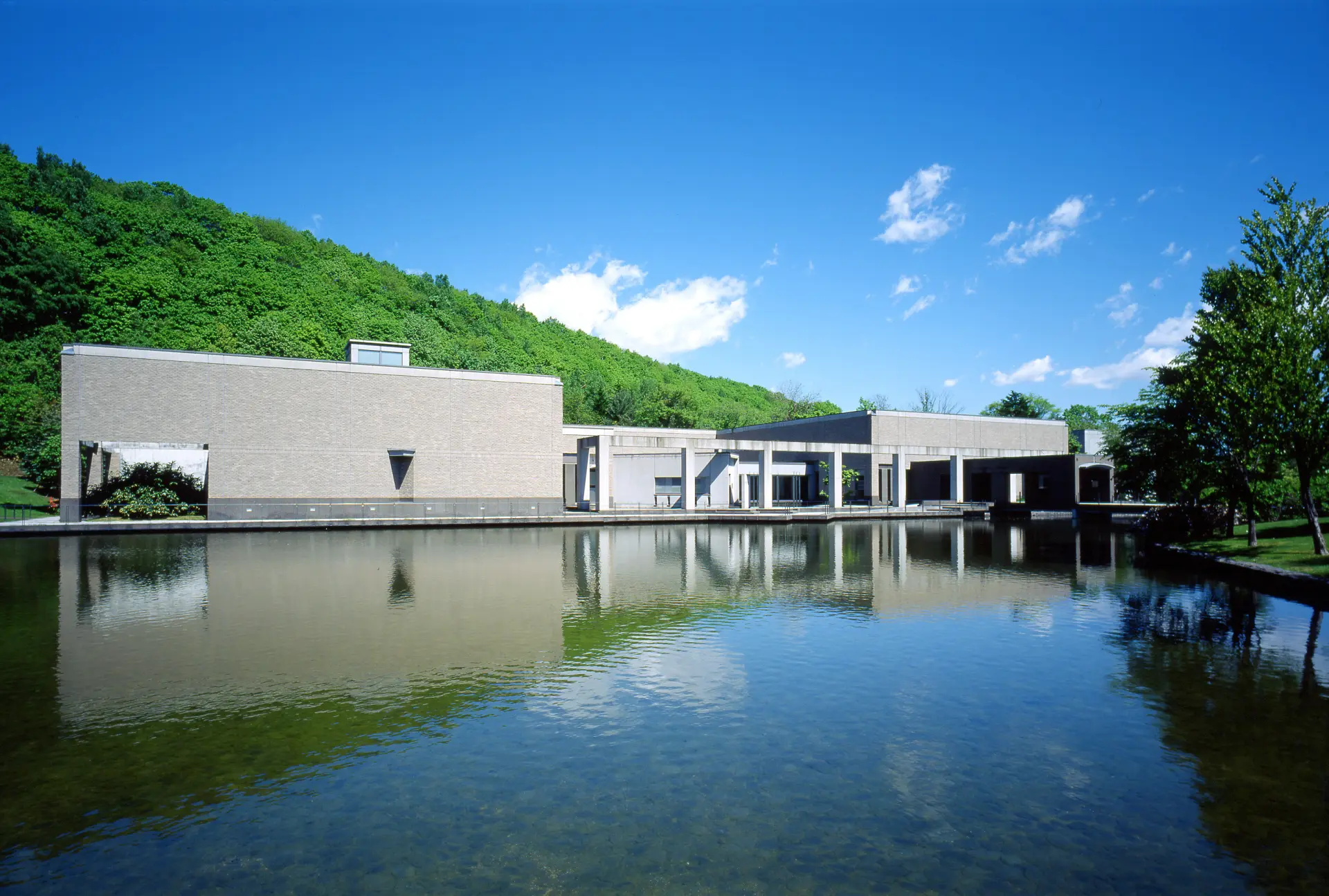
Sapporo Art Park is a hub that gathers various art facilities such as museums, ateliers, craft workshops, and outdoor stages across a vast 40-hectare site in Sapporo City.
It features an outdoor museum where visitors can enjoy art integrated with nature and the changing seasons, as well as rehearsal rooms and rentable accommodations, making it popular not only with tourists but also with performers.
An historic hot spring town located in Sapporo's Minami Ward, often called the "back parlor" of the major city of Sapporo. Over 150 years since its opening, it has been designated part of Shikotsu-Toya National Park, and the hot spring town spreads along the riverbanks carved out by the Shirai and Toyohira Rivers. The hot spring water is a sodium chloride spring. There are 56 hot spring sources in Jozankei Onsen, concentrated near the Tsukimibashi and Takayamabashi bridges on the Toyohira River, which flows through the town.

Sapporo offers numerous attractions and a variety of ways to enjoy yourself. Among them, I highly recommend trying the "5 things" listed below.
By doing so, you'll surely experience the unique charm of Sapporo.
A classic Sapporo sightseeing route involves walking through Odori Park, which stretches east to west in the city center, and then heading towards the Sapporo TV Tower.
Odori Park, about 1.5 km long, features flowerbeds, fountains, and benches, offering a pleasant stroll while experiencing the city's atmosphere.
Each area of the park has a different character, and the scenery changes as you walk, which is one of its charms.
Furthermore, as it hosts various events throughout the seasons, you can enjoy different atmospheres depending on when you visit, which is unique to Odori Park.
Once you reach the Sapporo TV Tower at the eastern end of the park, be sure to go up to the observation deck.
Below, Odori Park stretches out in a straight line, offering a panoramic view of the Sapporo cityscape beyond.
This walking route, allowing you to enjoy Sapporo's urban landscape, is perfect for first-time visitors to Sapporo.
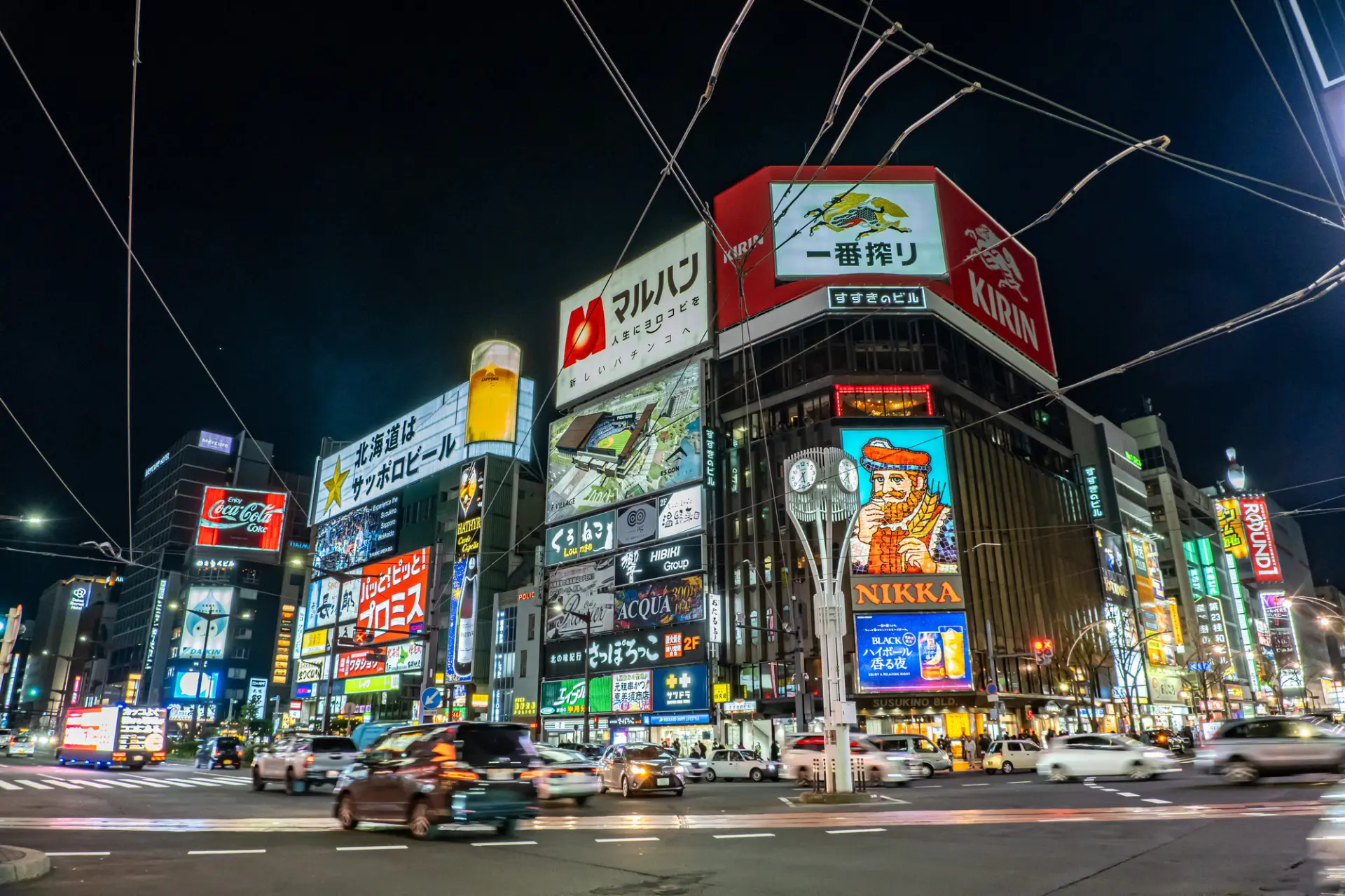
Susukino, a bustling entertainment district where Sapporo's food culture converges, is the ideal area to savor Hokkaido's gourmet cuisine. You can indulge in the "three pillars of Hokkaido gourmet cuisine"—rich Sapporo miso ramen, fresh seafood dishes, and the local specialty Jingisukan—all within a single area. Many establishments operate late into the night, making it a perfect spot to conclude your day of sightseeing. You could start with a visit to an izakaya to enjoy seafood, then head to another place for Sapporo miso ramen to cap off the night. Even with limited time, Susukino allows you to efficiently and thoroughly enjoy Hokkaido's culinary delights.
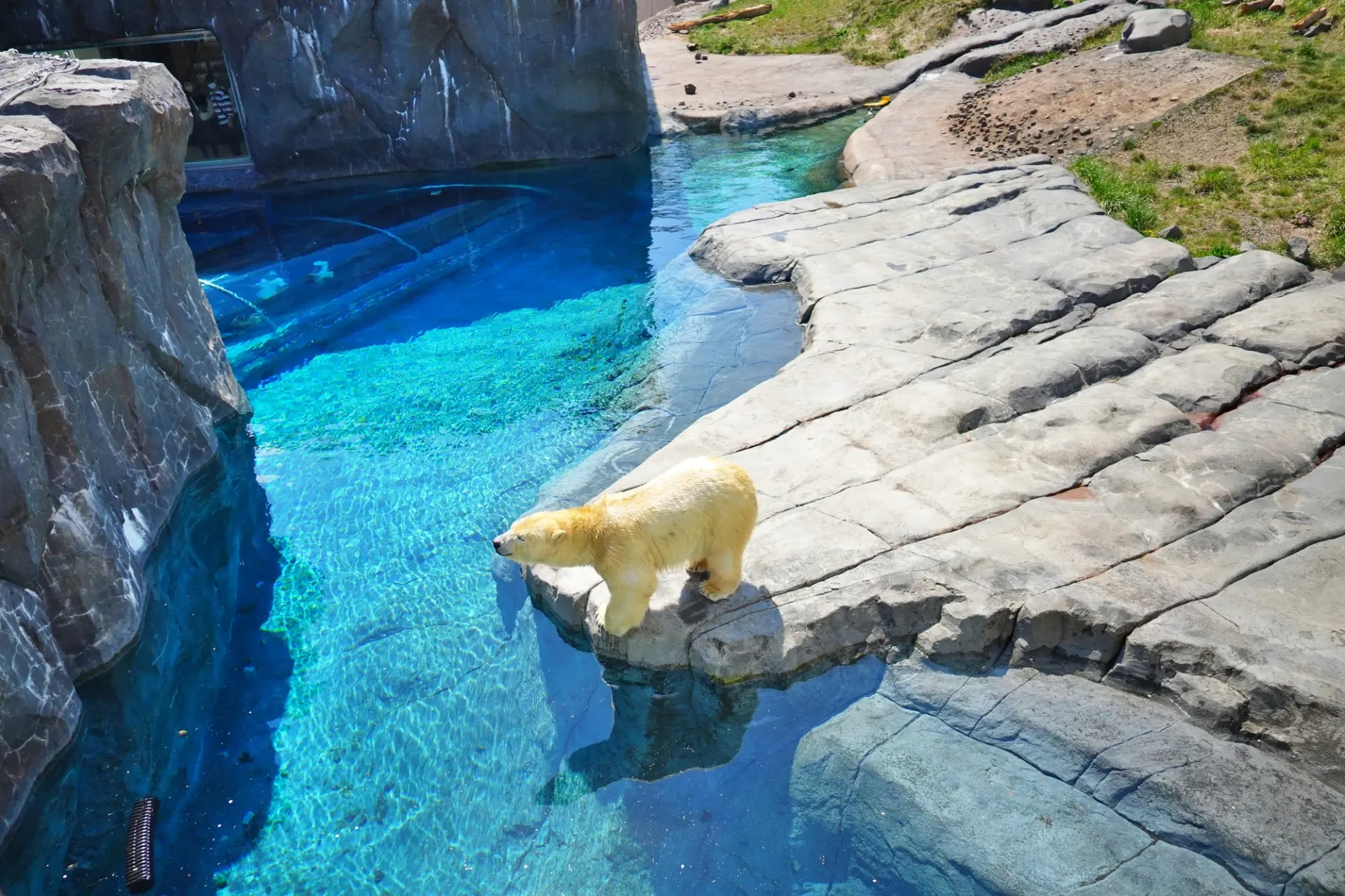
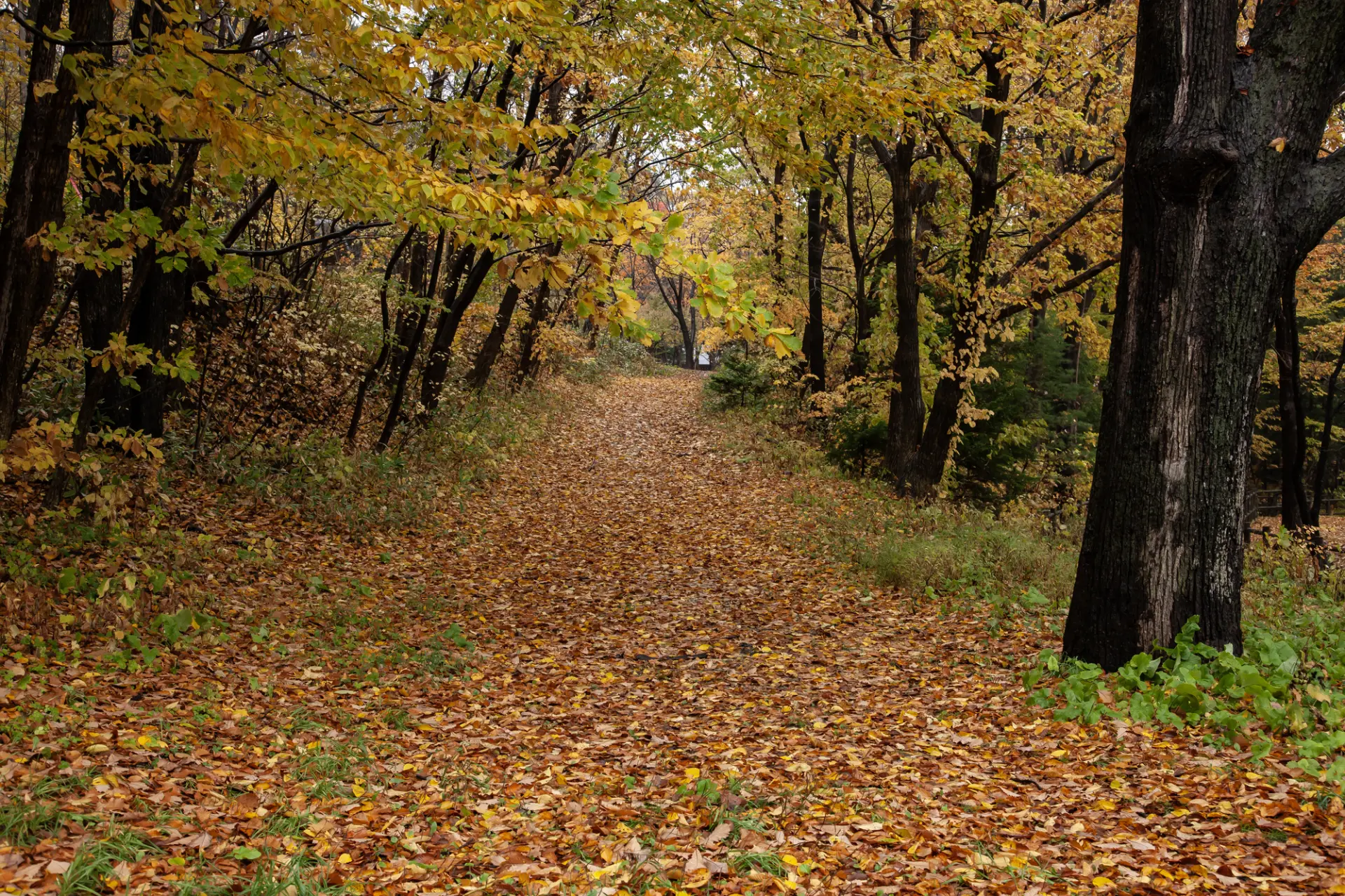
If you wish to experience the natural beauty of Hokkaido in Sapporo, I recommend visiting the Maruyama area. Its main appeal is that you can immerse yourself in lush nature despite its convenient access from the city center. A classic route involves visiting "Maruyama Zoo," "Maruyama Primeval Forest," and "Hokkaido Jingu Shrine." These spots are all within walking distance, making it easy to navigate without much hassle. At Maruyama Zoo, observe various animals in their natural habitats up close. Beyond the zoo lies Maruyama Primeval Forest, where you can stroll through a nearly untouched forest. Walking along the tree-lined paths, you'll be enveloped in a tranquility that makes it hard to believe you're so close to the city. Hokkaido Jingu Shrine is a perfect conclusion to your stroll. As you walk through its grounds, enveloped in rich nature and a solemn atmosphere, you can experience Hokkaido's history and faith along with the seasonal scenery.
-
-
-
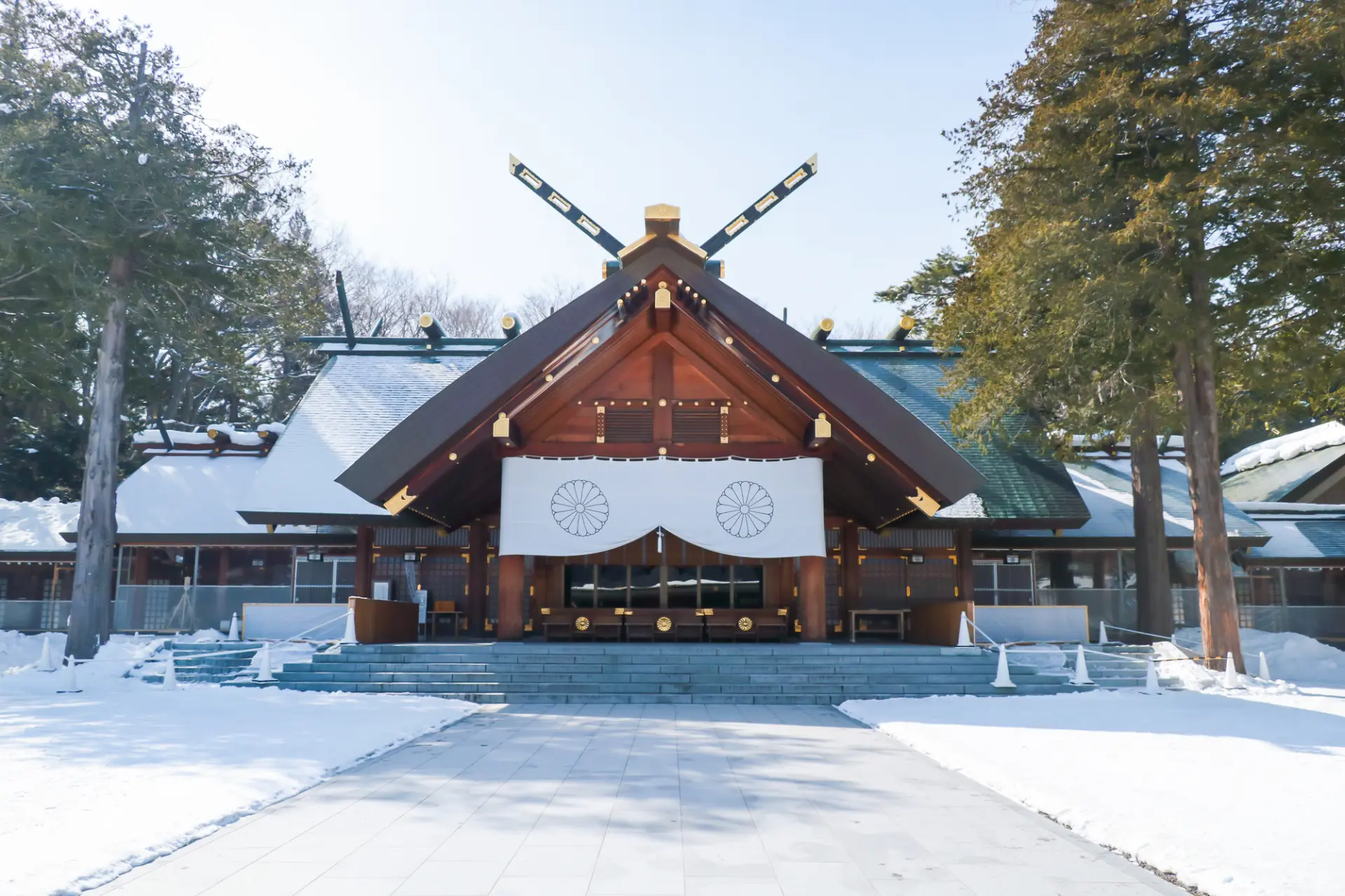
Hokkaido Jingu Shrine, where you can feel the nature, history, and faith of Hokkaido
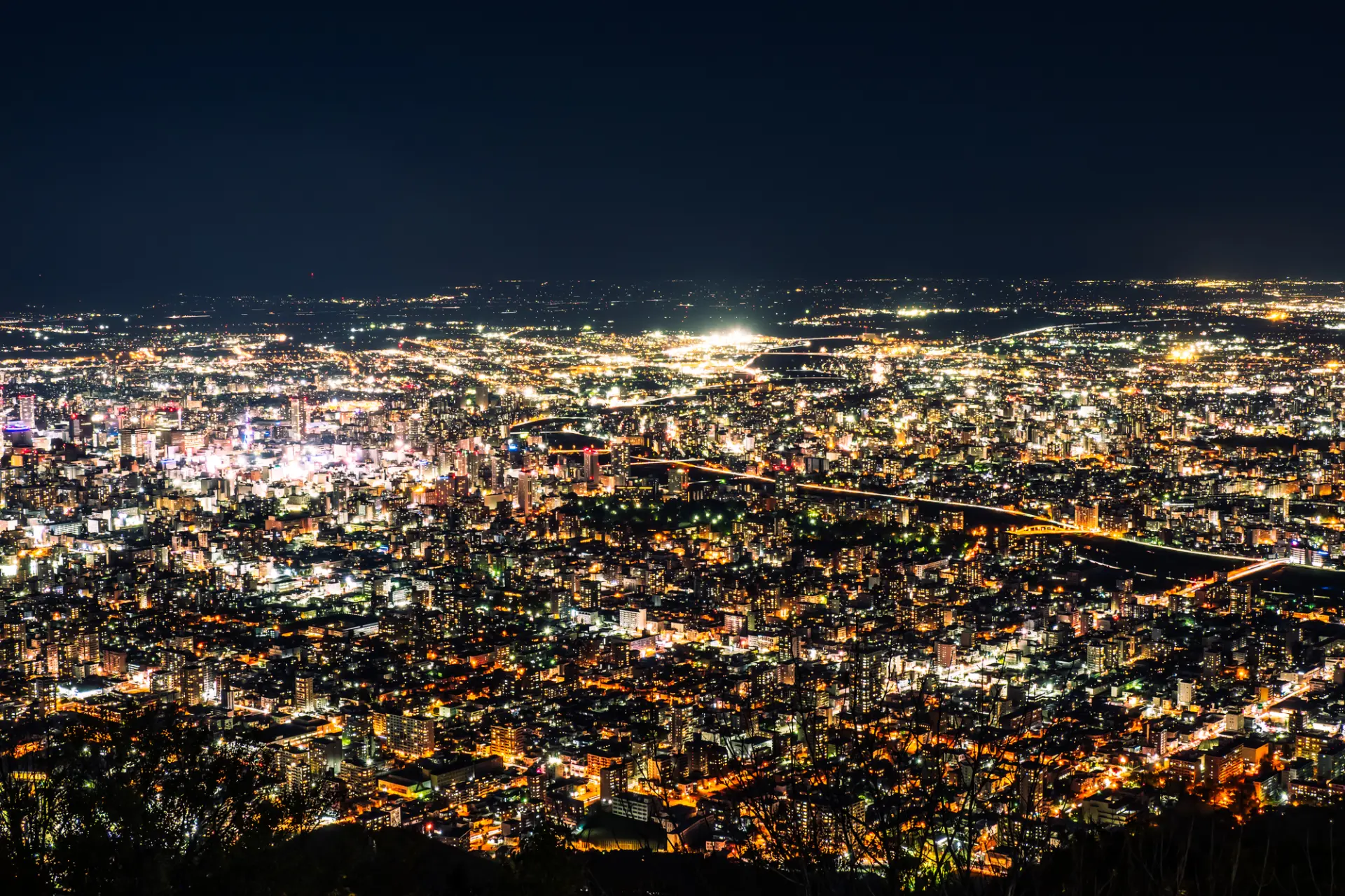
After sunset, I recommend visiting Mount Moiwa, one of Sapporo's premier night view spots. There's no need to hike, as you can reach the summit by taking a ropeway and then a mini cable car. This makes it enjoyable for anyone to experience the summit views, regardless of physical fitness. From the observation deck at the summit, you can enjoy a magnificent panoramic night view of Sapporo's glittering city lights. The night view from the observation deck is so stunning that it has been selected as one of Japan's New Three Major Night Views three times in the past. Its easy accessibility from the city center is also one of the reasons why Mount Moiwa is so popular among visitors.
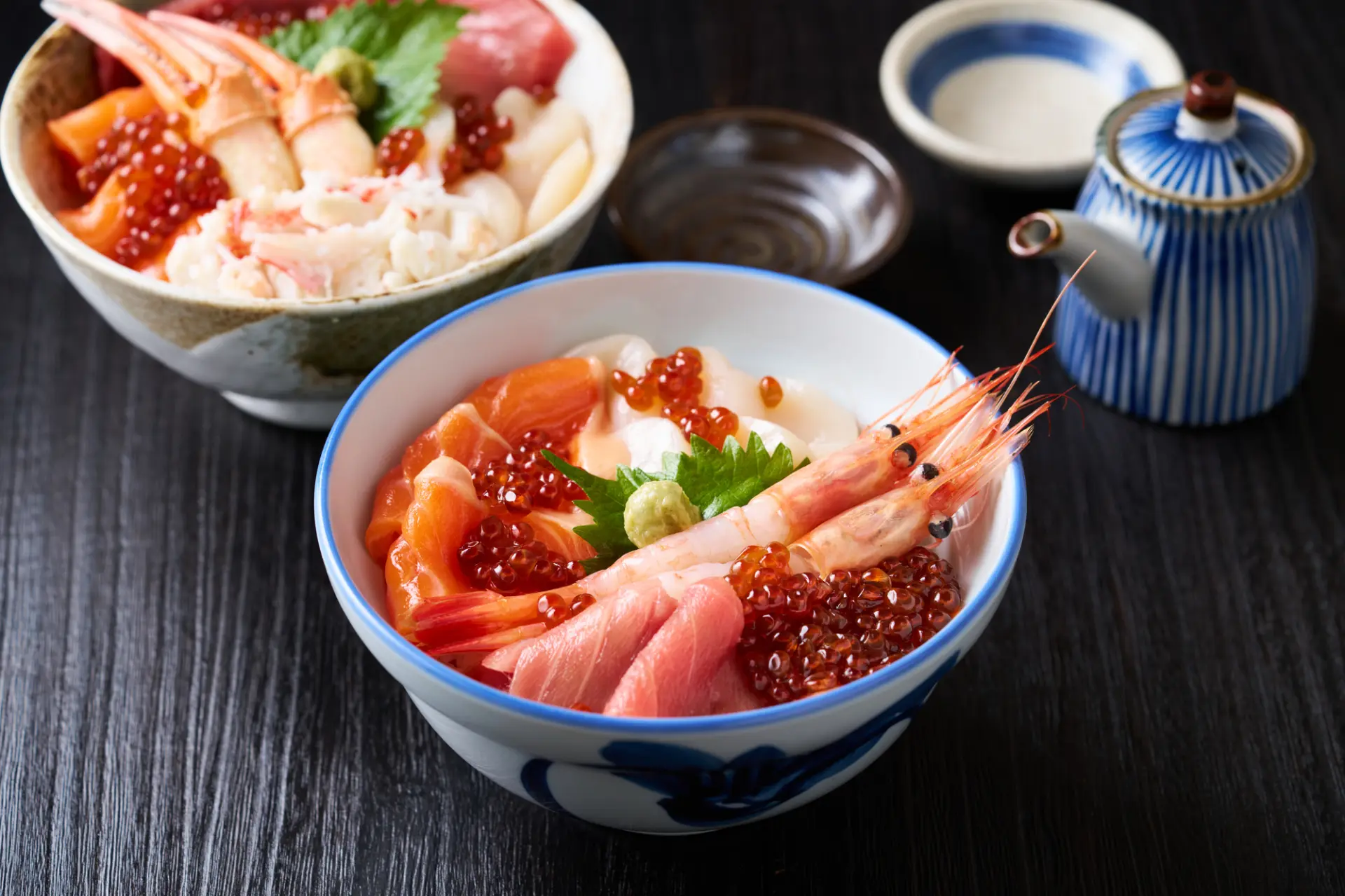
For fresh seafood in Sapporo, I recommend the Sapporo Central Wholesale Market's "Jyogai Market" (Outer Market). The Outer Market is lined with shops selling Hokkaido's representative seafood, such as salmon roe (ikura), sea urchin (uni), and crab. Its proximity to the Sapporo Central Wholesale Market means you can enjoy extremely fresh ingredients. Many shops open early in the morning, offering a variety of seafood dishes like kaisendon (seafood rice bowls), sushi, sashimi, and set meals for breakfast. I highly recommend savoring the unique Hokkaido seafood for your morning meal.
Many people plan to enjoy gourmet food during their Sapporo trip. However, with countless Sapporo delicacies like soup curry, Jingisukan, seafood, ramen, and sweets, you might be overwhelmed by choices. In such cases, I highly recommend visiting the famous restaurants listed below to savor Sapporo's culinary delights.
Sapporo is the birthplace of miso ramen and remains a fiercely competitive ramen battleground with numerous shops vying for recognition. Among them, this long-loved establishment boasts nationwide fame. The allure of their signature miso ramen lies in its rich broth, combining deep miso flavor with the savory aroma of stir-fried ground pork, the sweetness of lard and vegetables, and a spicy kick from garlic and ginger.

"Jingisukan Daruma Honten" opened in 1954. Jingisukan is an当て字 (ateji, phonetic equivalent) for Genghis Khan, and Daruma's Jingisukan has become a specialty of Susukino. To cater to those who visit to enjoy its traditional taste, the restaurant strives to remain unchanged. Their Jingisukan is prepared with fresh mutton sourced daily and cut by skilled artisans just before opening. Mutton has a distinctive richness, which is enhanced by their special sauce, handmade by the proprietress since the restaurant's founding.

Soup Curry GARAKU is a famous soup curry restaurant with lines forming daily and numbered tickets distributed to those waiting. It is a highly recognized soup curry specialty restaurant among locals. What makes it particularly unique is its soup. The innovative combination of Japanese-style dashi broth—which the owner learned while working at an udon specialty restaurant—and spices is said to be the secret to its popular deliciousness.

The Sapporo Beer Garden is striking with its red star emblem on a brick chimney. There are five restaurants within Sapporo Beer Garden, with the Kessel Hall on the 2nd and 3rd floors of the Kaitakushi-kan building being the main floor. In this spacious area, a gigantic beer brewing kettle, "Kessel," manufactured in 1912, proudly stands. This is highly recommended for those who want to enjoy fresh draft beer and Jingisukan in the style of a Hokkaido beer hall.

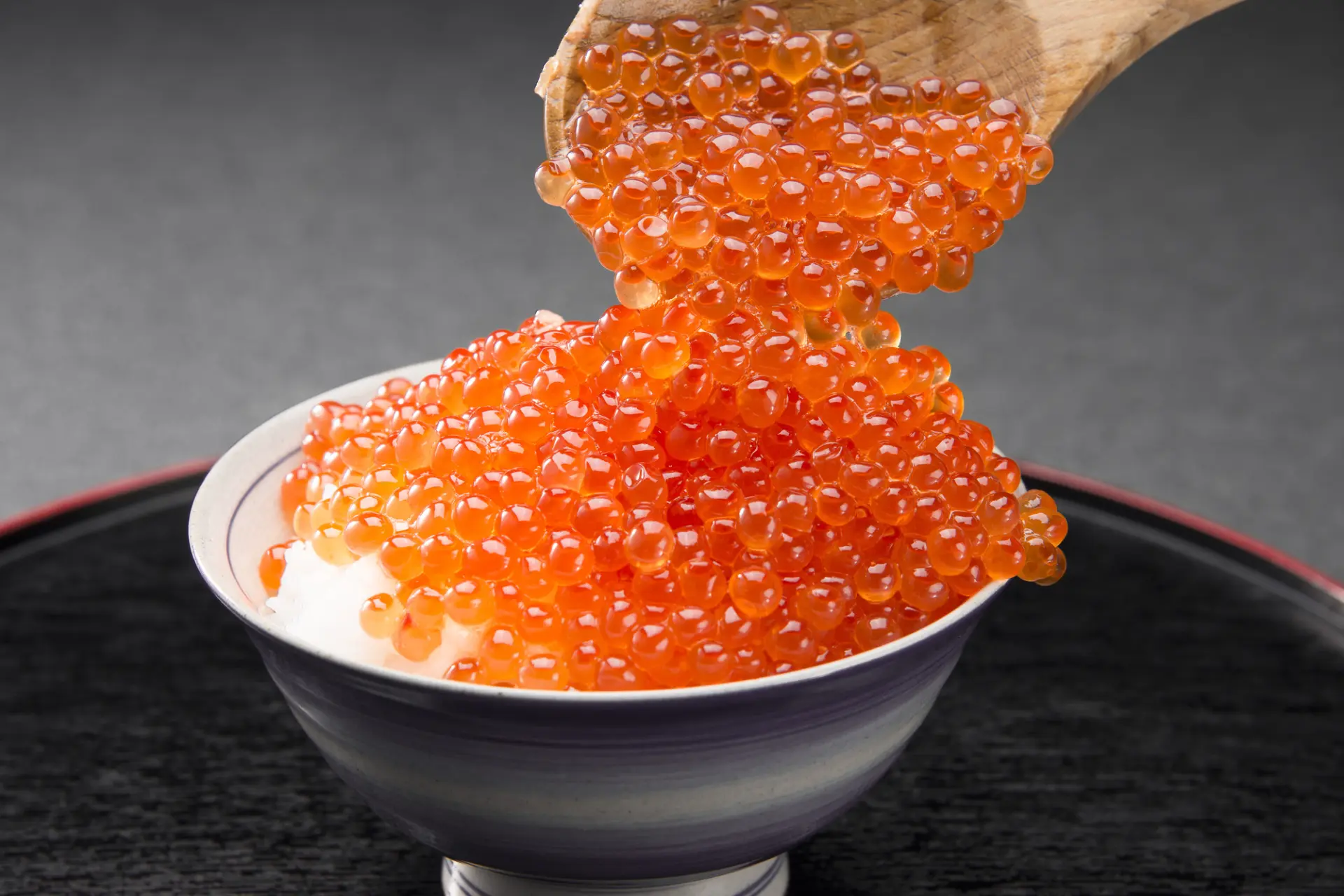
Just a one-minute walk from Susukino Station on the Sapporo Municipal Subway Namboku Line, you'll find this restaurant marked by fishing buoys and the name "Hachikyo" carved into a wooden sign. Among the diverse dishes prepared with fresh seafood and seasonal vegetables, their specialty is the "Ganso Tsukko Meshi." When you order, a bowl of rice is placed on your table, and a staff member holding a bowl of ikura (salmon roe) shouts "Oisaa!" as they generously heap ikura until it's about to overflow from the bowl. This dramatic presentation and the massive amount of ikura have garnered attention from many media outlets. Of course, the deliciousness of the ikura itself, marinated in a special soy-based sauce, is a major draw.
Sapporo offers many more appealing gourmet options and restaurants than could be covered here. Please refer to these articles for recommended restaurants by local cuisine type.
Sapporo boasts many commercial facilities, making it a great place to enjoy shopping. Here are some shopping spots you should consider including in your sightseeing plan.
Sapporo Stellar Place is one of Japan's largest shopping centers, located within JR Tower. With over 200 stores, it features a wide range of establishments, primarily fashion, but also雑貨, restaurants, and cafes. Directly connected to the station, it offers excellent accessibility, making it a central hub in Sapporo frequented by both tourists and locals alike.

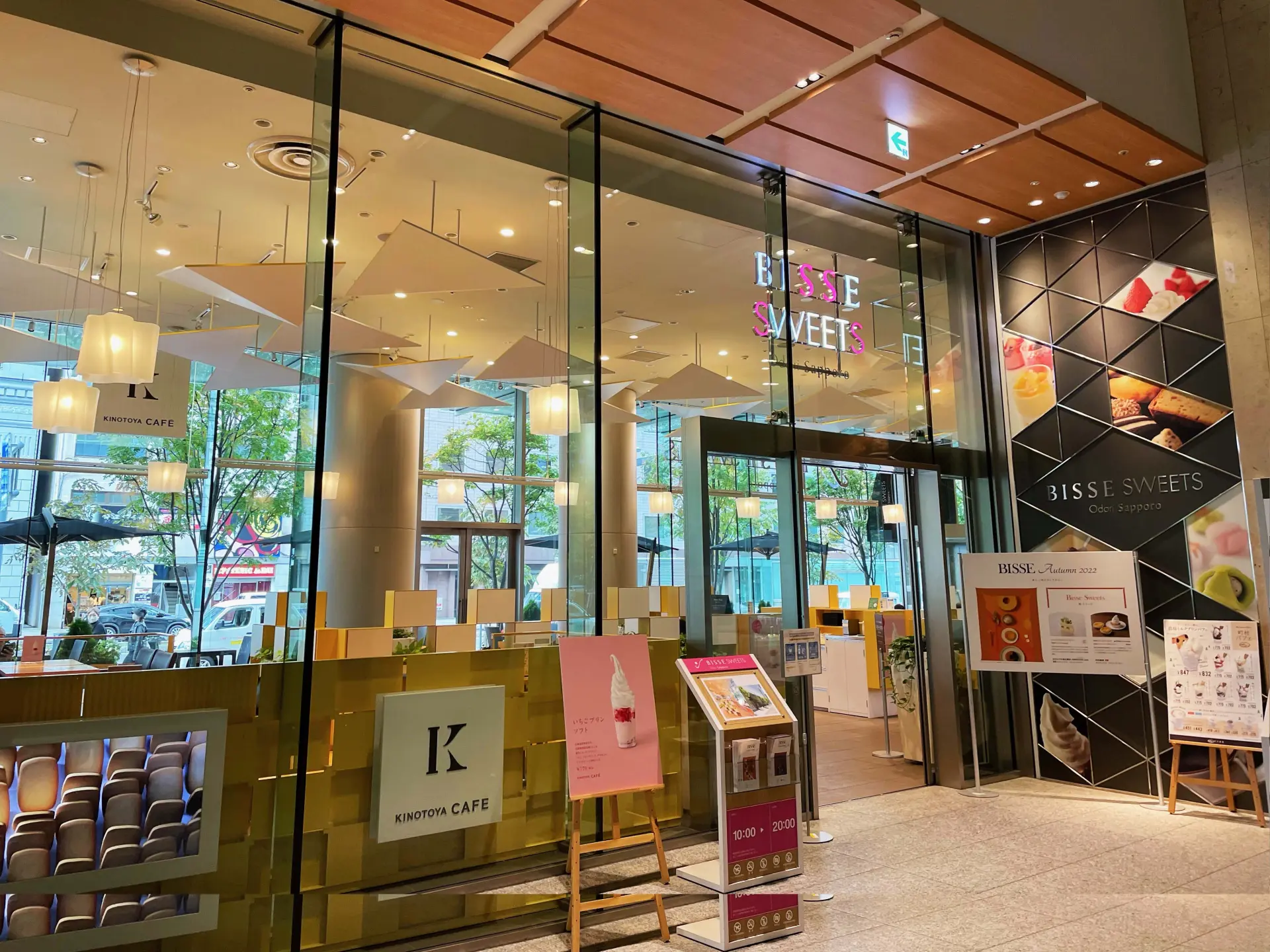
This is a five-story commercial complex designed with the concept of "Northern Good Life."
It primarily features renowned stores and shops from various parts of Hokkaido, offering a wide range of options including dining, sweets, shopping, and beauty products.
On the first floor, known as the "Bisse Sweets" floor, you'll find famous Hokkaido sweets shops.
Located directly in front of Odori Park, with eat-in spaces available, it's bustling with tourists and locals every day.
A shopping spot easily accessible directly from JR Sapporo Station.
It offers a wide array of the latest trendy items including gourmet food, luxury brands, cosmetics, and miscellaneous goods.
On the first basement floor, "Hoppe Town," you're sure to find all the Hokkaido sweets you could wish for.
There are plenty of souvenir-suitable shops, such as "LeTAO," known for its cheesecake Double Fromage, "ROYCE'" with its extensive chocolate lineup, and "Kitakaro" for Hokkaido's famous okaki (rice crackers).
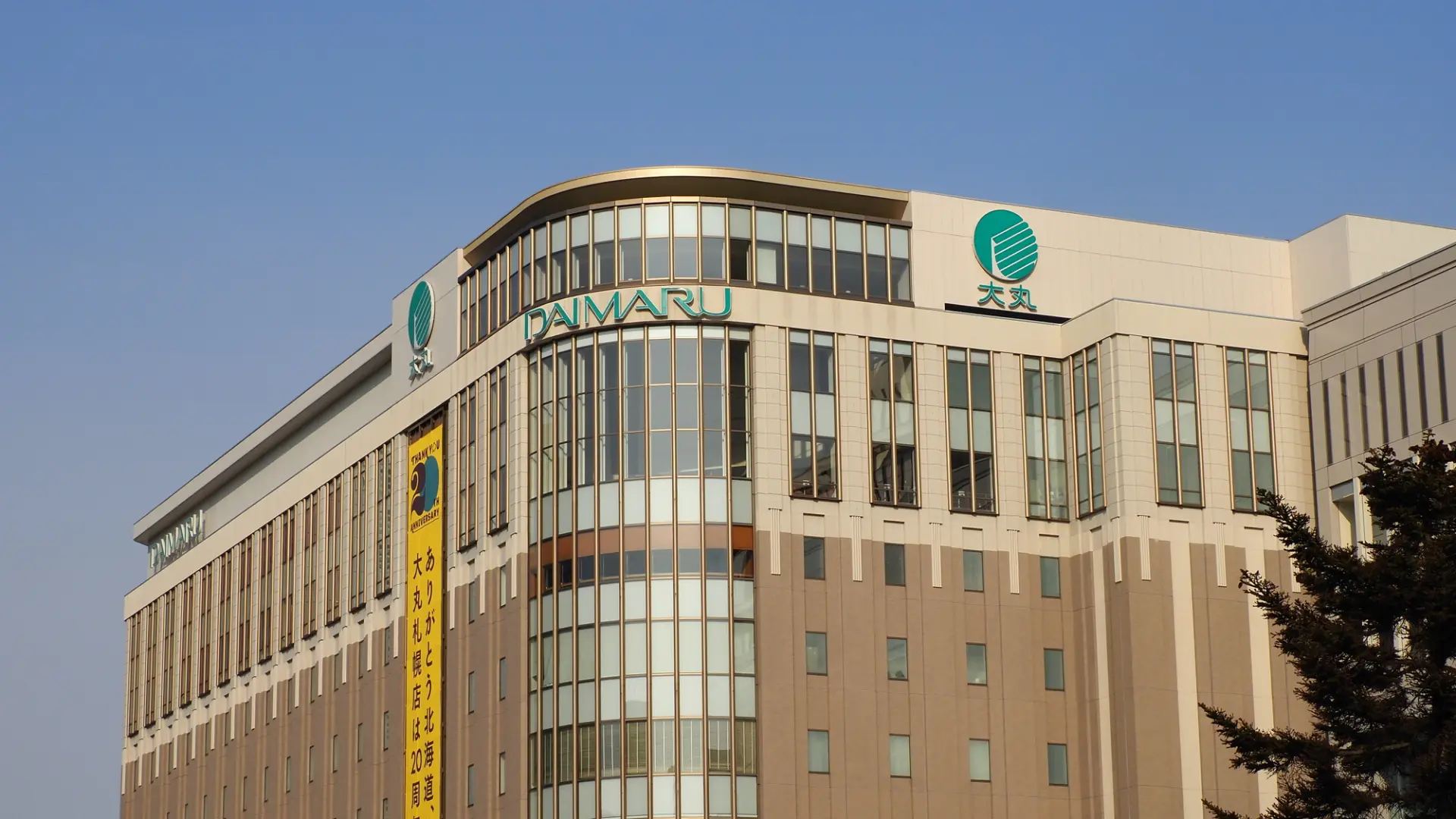
Sapporo Factory is a large commercial complex built on the former site of the Sapporo Beer Brewery, which originated from the Kaitakushi Beer Brewery established in 1876.
It comprises seven buildings, including brick architecture from the factory era and a massive atrium, housing facilities such as a shopping mall, amusement facilities, restaurants, a fitness club, and a hotel.

Sapporo, the central hub of Hokkaido, is home to numerous famous tourist attractions.
These include the Sapporo Clock Tower, Sapporo TV Tower, and Odori Park, where Hokkaido's representative events such as the Sapporo Snow Festival and YOSAKOI Soran Festival are held.
Located nearby is the Marui Imai Sapporo Main Store. Divided into three buildings—Odori-kan, Ichijo-kan, and Nishi-kan (Louis Vuitton)—it caters to various purposes such as shopping, fashion, and gourmet dining.

Sapporo, one of Hokkaido's most popular tourist destinations, offers a wide range of accommodation options.
From hotels with excellent access to facilities with great cost performance, there is a wide variety of choices.
Here, we introduce a selection of hotels that promise a luxurious stay.
If you're looking for an upgraded accommodation experience, please refer to this guide.
The Sapporo Prince Hotel is located near Odori Park, a popular tourist spot in Sapporo.
Based on the concept of "See, Eat, Feel," you can fully enjoy the charms of Sapporo even within the hotel.
The "Club Floor" on the upper floors (22nd to 27th) offers panoramic views of Sapporo from the guest rooms, as well as inclusive services exclusively for Club Floor guests at the "Club Lounge."
The hotel boasts a full range of facilities and events, including restaurants serving dishes made with Hokkaido ingredients, an open-air hot spring bath, and seasonal events showcasing Sapporo's attractions.
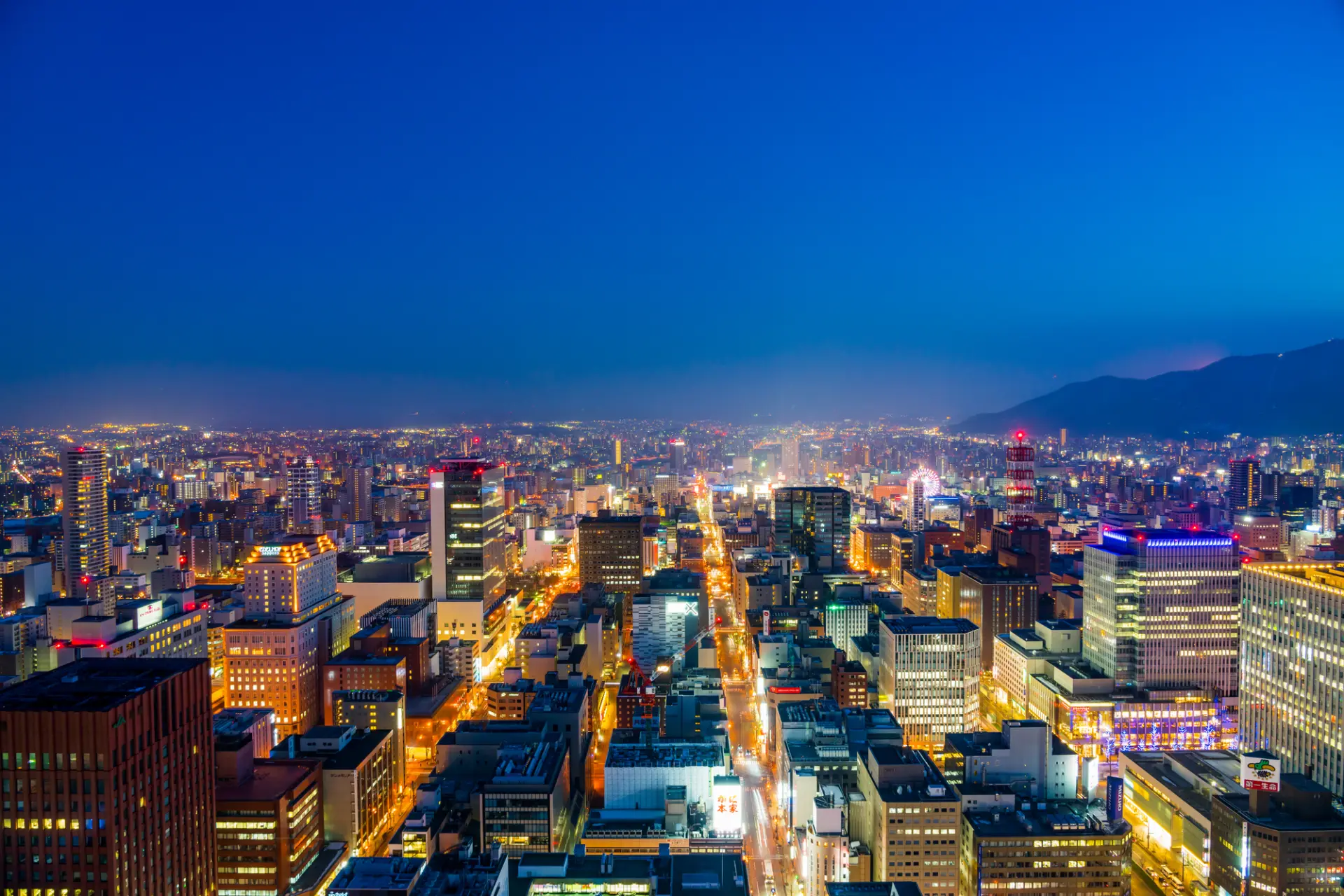
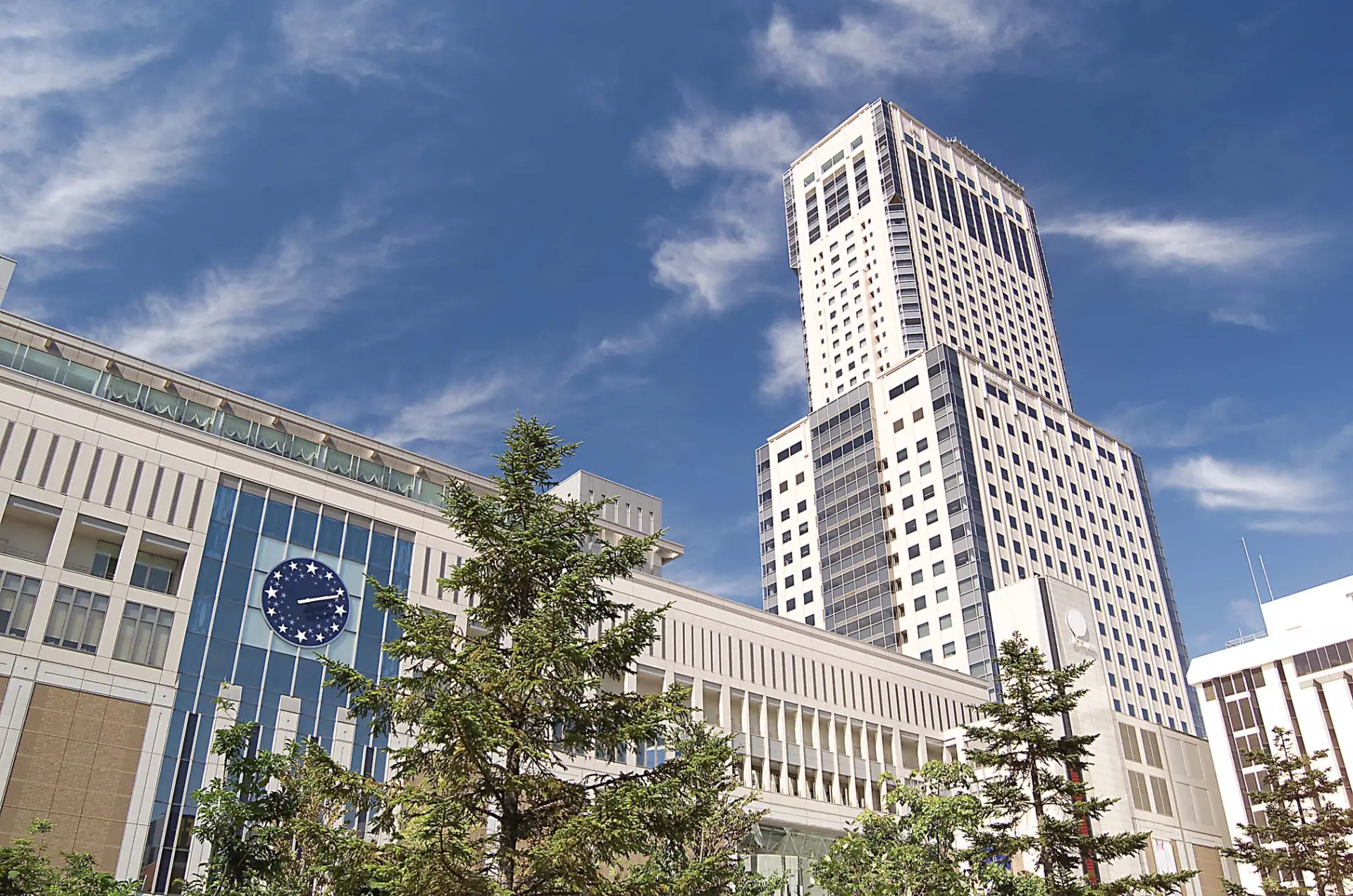
This hotel is located on the upper floors of JR Tower, one of Hokkaido's tallest buildings.
Directly connected to Sapporo Station, it boasts an ideal location for both sightseeing and business.
All 330 guest rooms offer magnificent views of Sapporo city, Ishikari Bay, and even the distant Daisetsuzan mountain range, which is a major attraction.
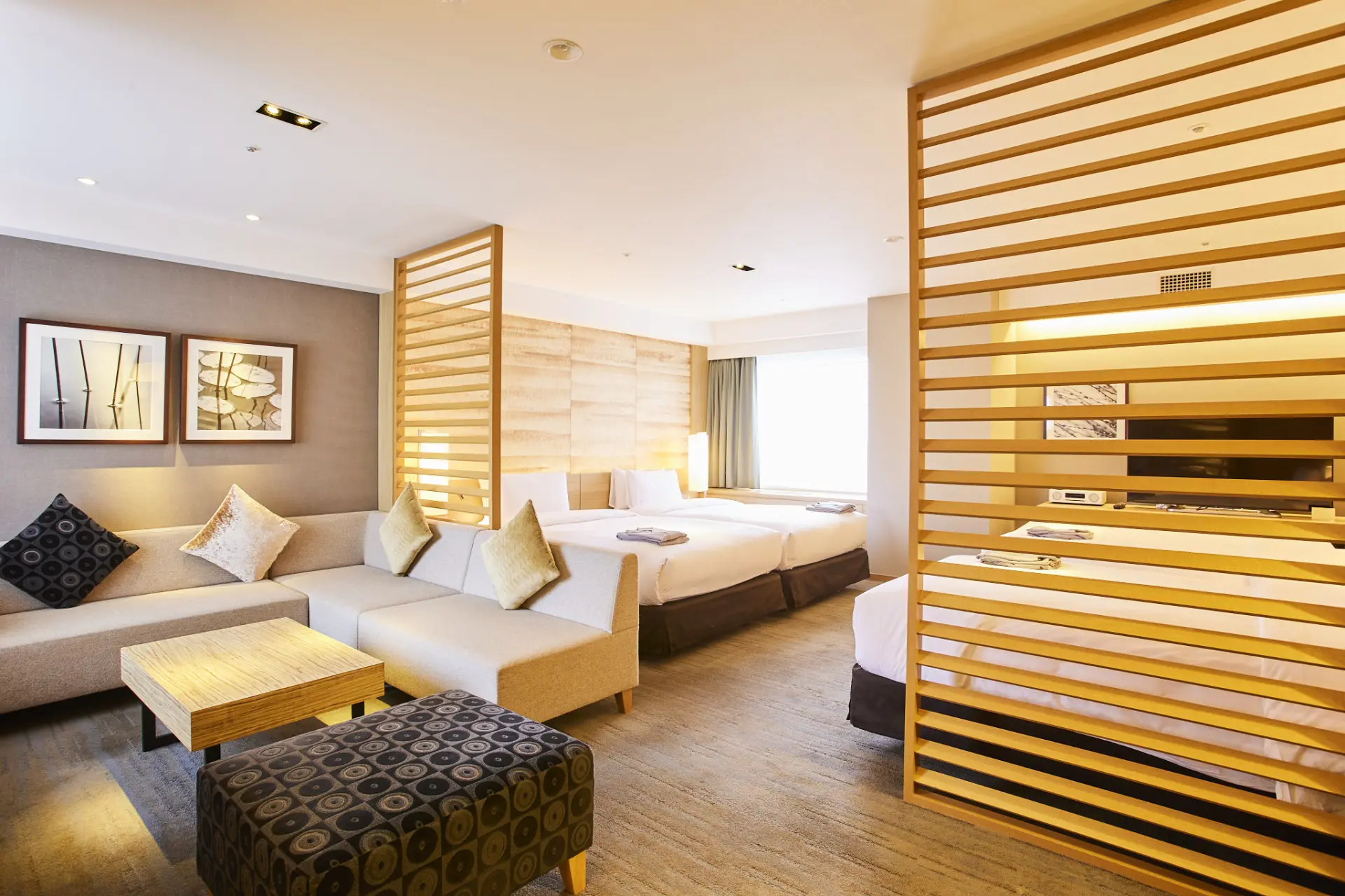
The guest rooms are uniformly designed with a simple and refined aesthetic, and are fully equipped with free Wi-Fi, wired LAN, and amenities.
Just a 5-minute walk from JR Sapporo Station, this hotel offers a tranquil stay in a natural setting, adjacent to the Hokkaido University Botanical Garden.
With 493 rooms across 22 floors, it offers various types of rooms in five grades.
Guests can enjoy views of Sapporo from rooms located on the north and south sides of the building. Furthermore, rooms on higher floors offer beautiful night views.
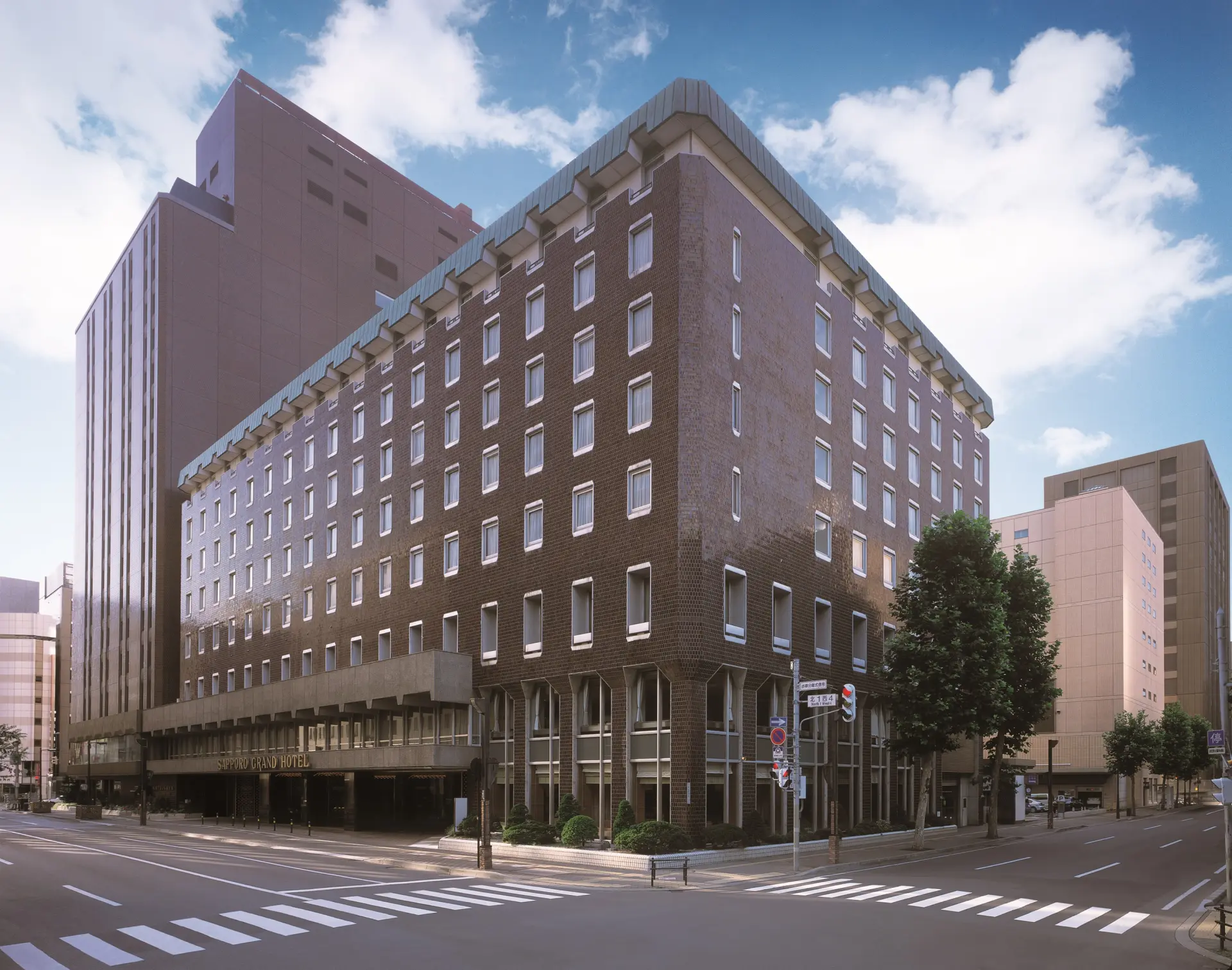
Opened in 1934 as Hokkaido's first authentic Western-style hotel, this long-established hotel welcomes guests with a spirit of hospitality-first.
It is excellently located in the heart of Sapporo, where tree-lined streets adorn Odori Park.
It boasts superior access from JR Sapporo Station and the subway. Directly connected to the Sapporo Ekimae-dori Underground Pedestrian Space, guests can comfortably access the hotel from the station regardless of the weather.
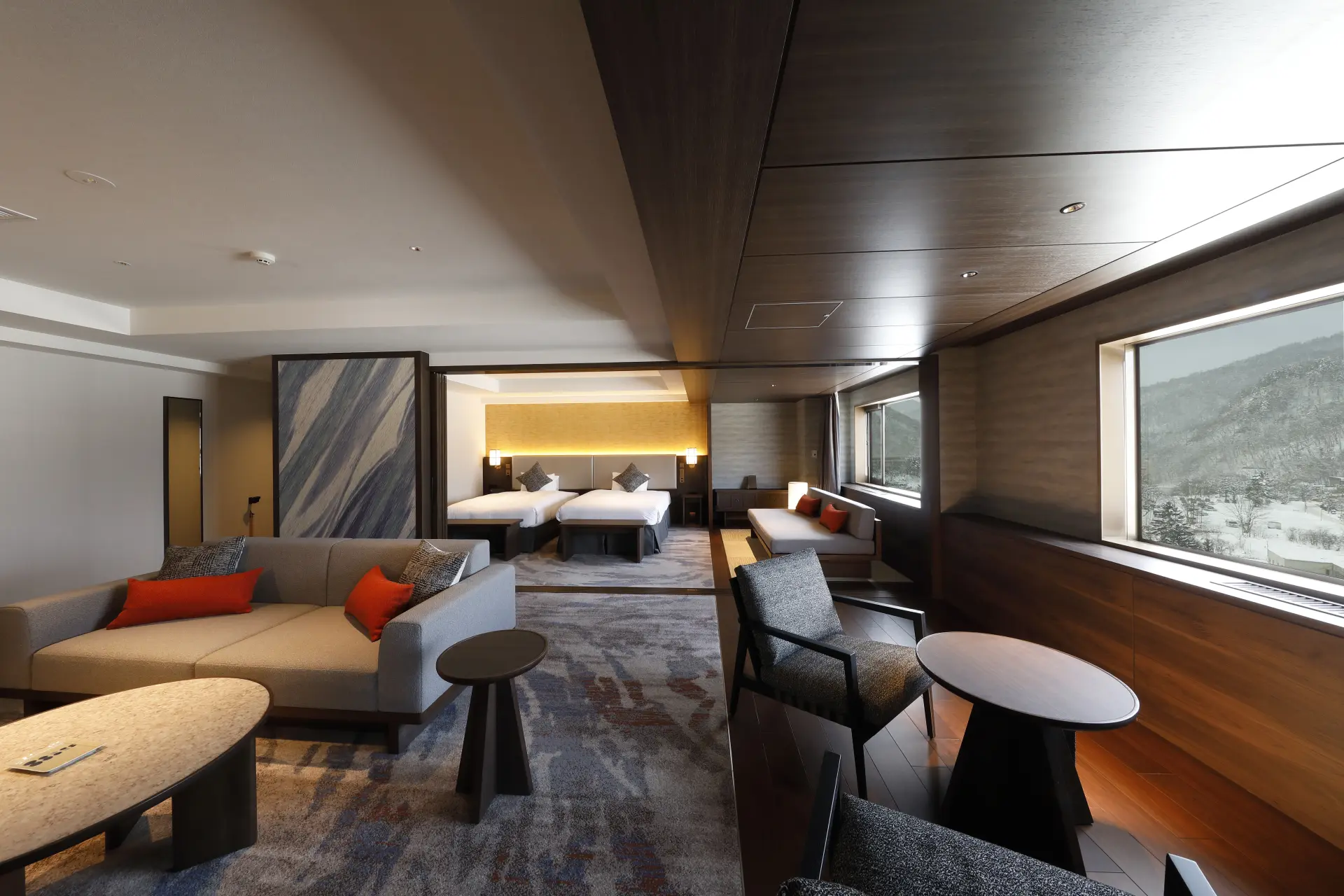
Located in Jozankei, about an hour's drive from central Sapporo, this is one of Hokkaido's largest spa resorts.
It comprises a main building and a new building, offering a variety of room types including Japanese-style, Western-style, Japanese-Western style, and corner suites.
The buffet, featuring approximately 60 dishes made with seasonal Hokkaido ingredients, is also popular.
For breakfast, guests can enjoy a "Self-Service Kaisen-don" (seafood rice bowl) where they can pile on their desired amount of seafood such as salmon roe and salmon.
The observation hot spring bath "Seiten," which offers panoramic views of Jozankei's rich nature, is another must-see attraction.
If you are particular about accommodations in Sapporo, check out this article which introduces recommended accommodations by type and situation.
After enjoying your Sapporo sightseeing, take home some Sapporo gourmet food as souvenirs for friends, acquaintances, or yourself.
If you want to avoid making a mistake in choosing souvenirs, we recommend picking from the classic and popular options introduced below.
"Shiroi Koibito," a famous Hokkaido confection, is known by everyone in Japan. It originated when Ishiya Seika Co., Ltd., which originally manufactured cheap sweets, decided to produce high-end Western-style confectionery using quality Hokkaido ingredients.
More than 40 years after its launch, it continues to enjoy unwavering popularity as a classic Hokkaido souvenir.

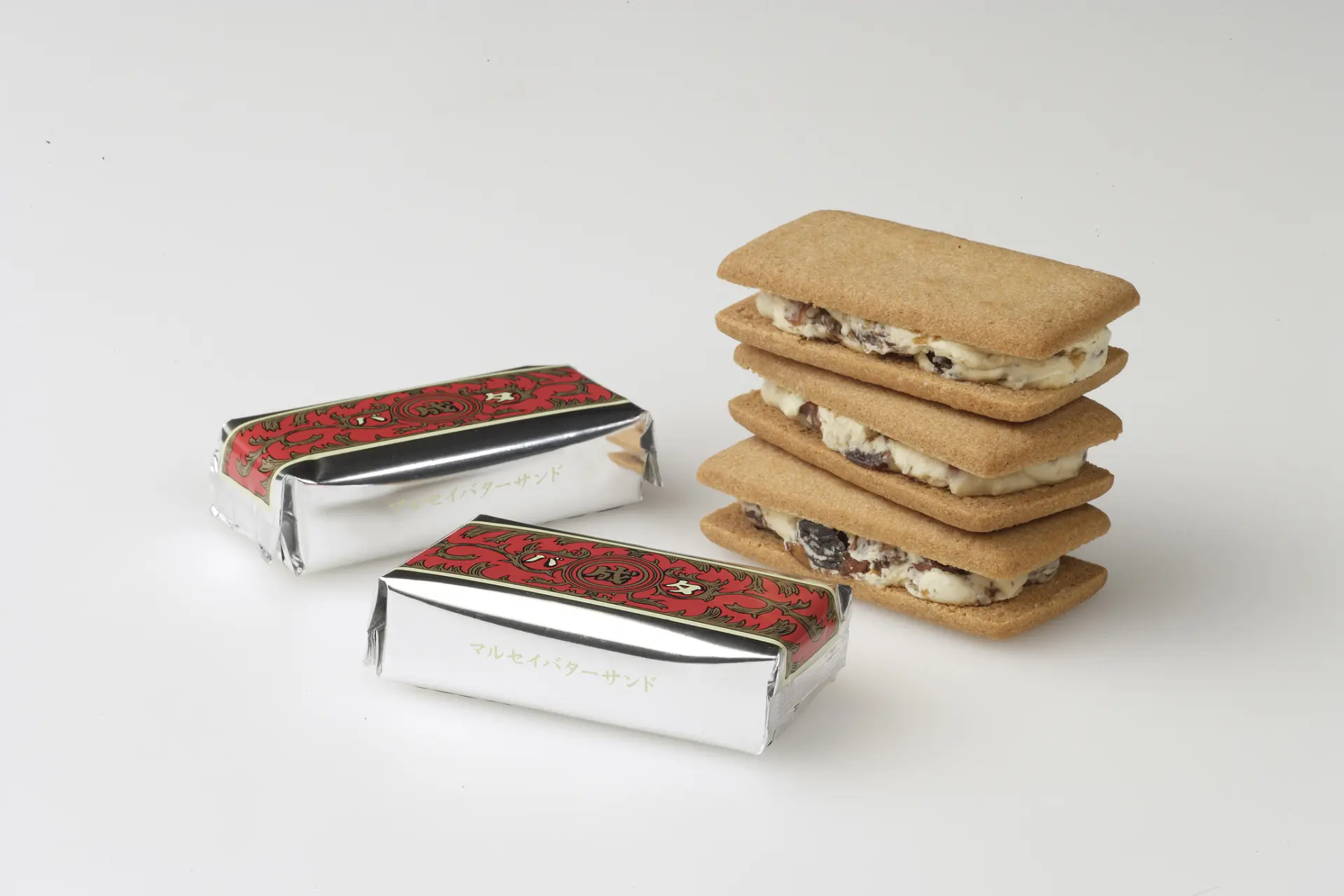
A long-selling product from "Rokkatei," a long-established confectionery maker founded in 1933, which continues to "create sweets that can be enjoyed daily with pocket money."
Since its launch in 1977, its unchanging taste has made it a beloved classic Hokkaido souvenir.
It consists of a crisp, fragrant biscuit baked with special flour, sandwiching a unique cream made from white chocolate, raisins, and 100% Hokkaido-produced raw milk butter.
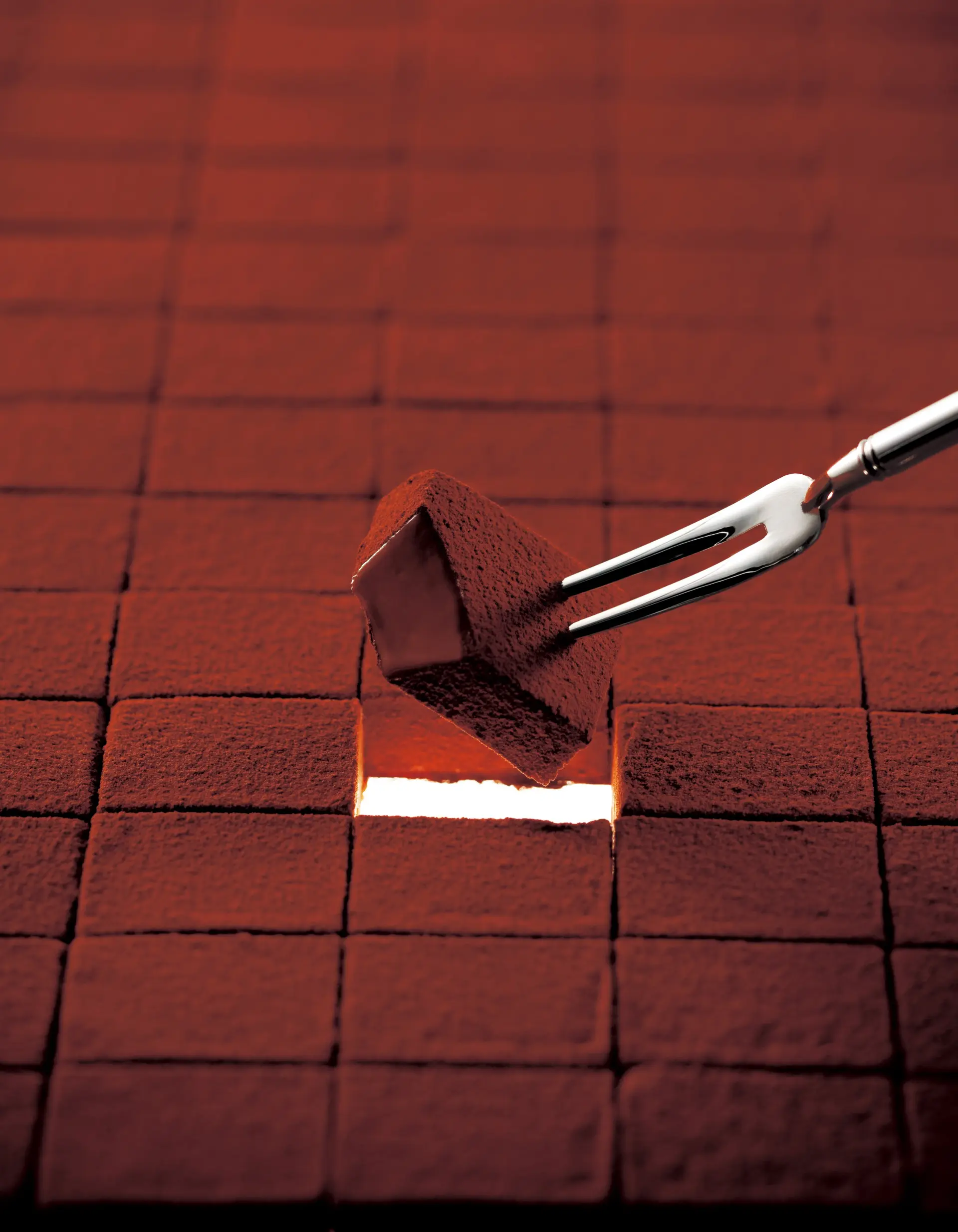
ROYCE' was founded in Higashi-ku, Sapporo in 1983 with the aim of creating chocolates that rival those made in Europe. Today, the company is an established and popular chocolate maker from Hokkaido, and its signature product is its Nama Chocolate. Unlike typical chocolates, which are solid and melt in your mouth after you eat them, ROYCE' Nama Chocolate is soft and melts smoothly in your mouth. The secret lies in the generous addition of fresh cream and Western liquor to the chocolate base.
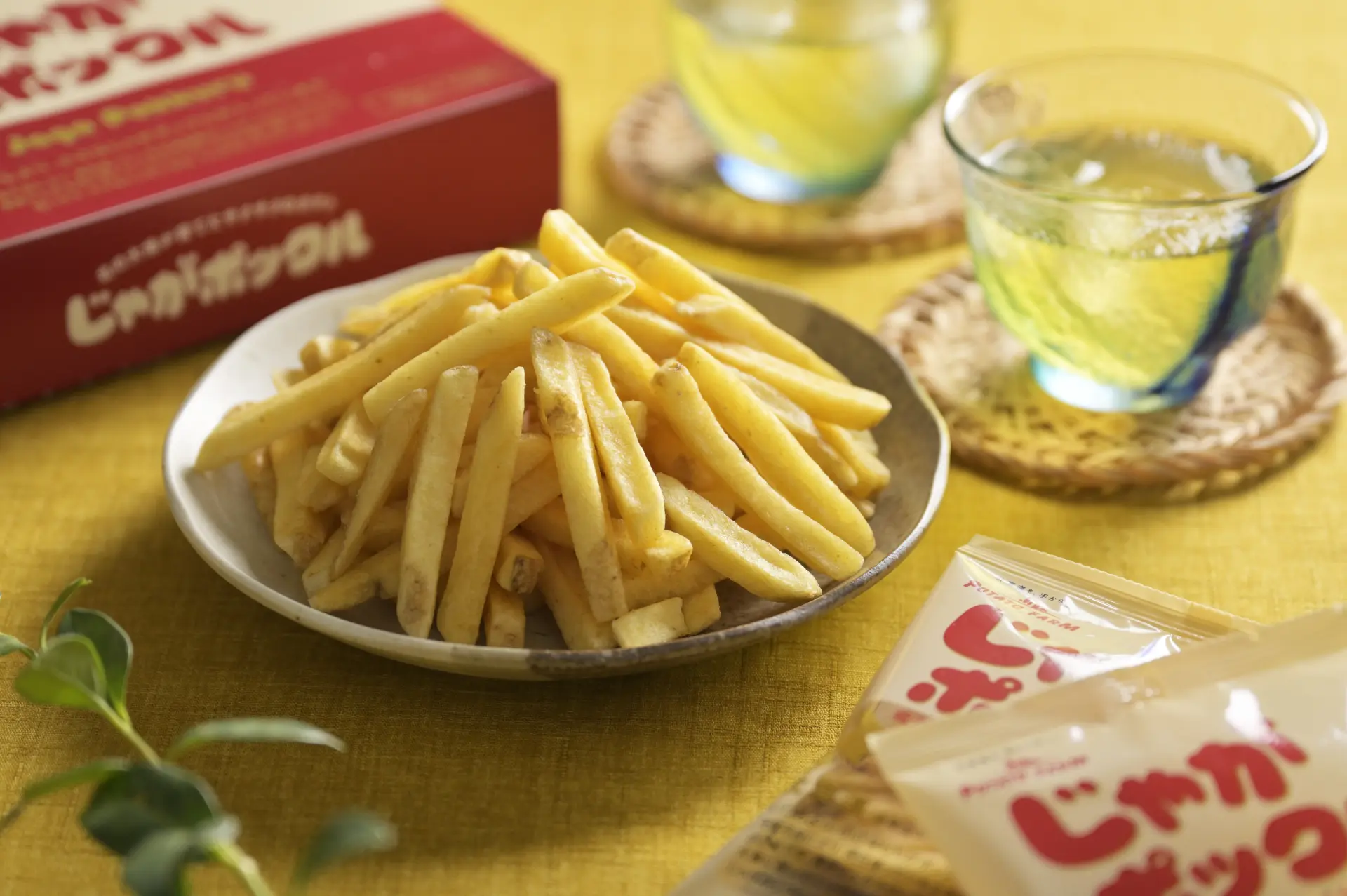
"Jaga Pokkuru" is offered by Calbee Co., Ltd., one of Japan's leading snack manufacturers. It is manufactured at the Chitose factory in Hokkaido and primarily sold in Hokkaido, making it a popular souvenir from the region. The name is a combination of "jaga" from potato (jagaimo in Japanese), the main ingredient, and "Koropokkuru", a fairy that appears in the legends of the Ainu, Hokkaido's indigenous people.
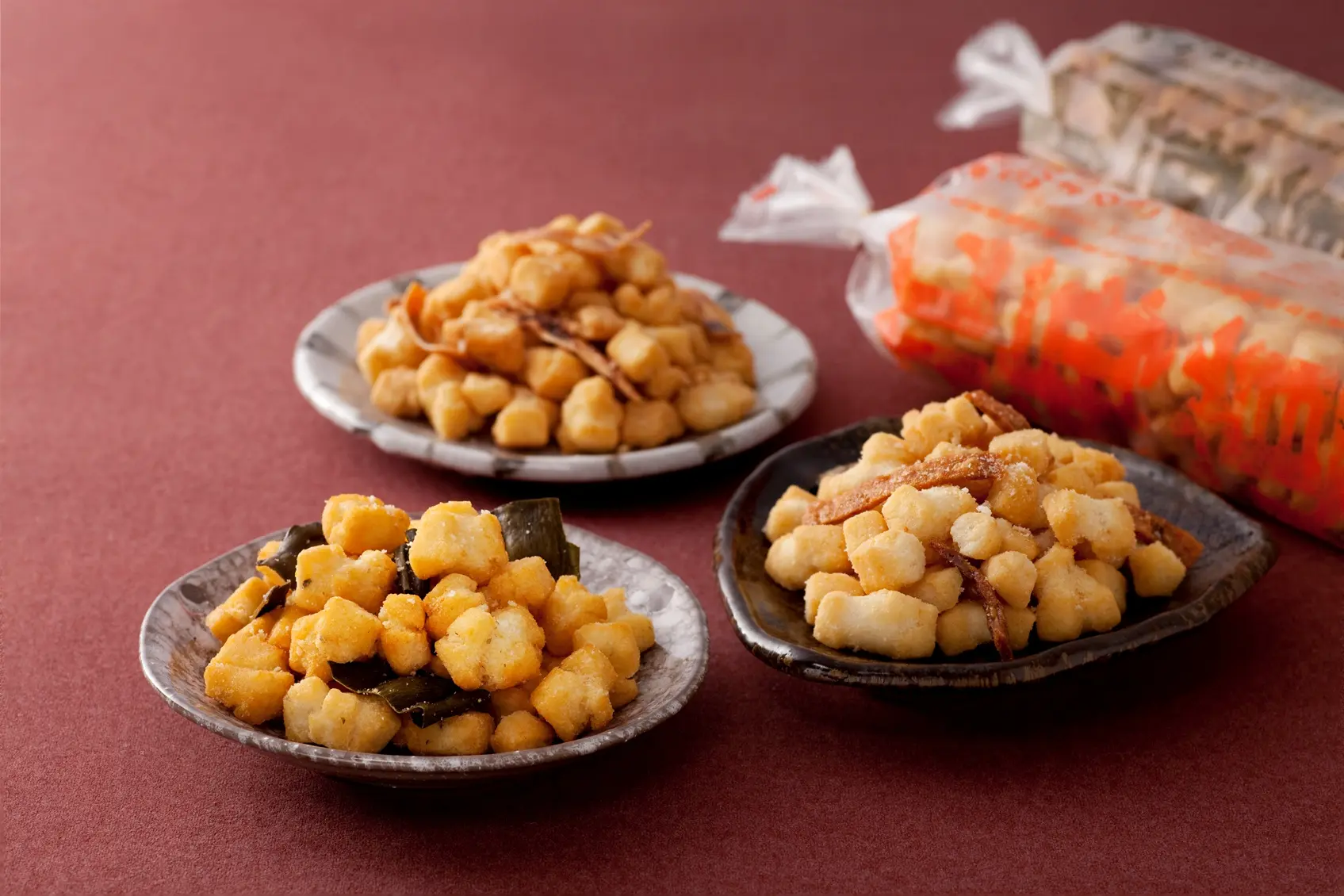
This is a long-selling product from Kitakaro, which is highly acclaimed for making sweets with Hokkaido-sourced ingredients. There are currently 10 types of okaki (rice crackers), all made with high-quality ingredients focusing on Hokkaido's marine treasures. In addition to squid from Hakodate, sweet shrimp from Mashike, autumn salmon from Shibetsu, scallops from Esashi, kelp from Erimo, willow octopus from Shiranuka, and mentaiko (pollock roe) from Kojohama in Shiraoi, three limited-time products are also popular.
Sapporo hosts some of Hokkaido's largest and most famous events throughout the seasons. If your travel dates align, we highly recommend attending the events introduced below.
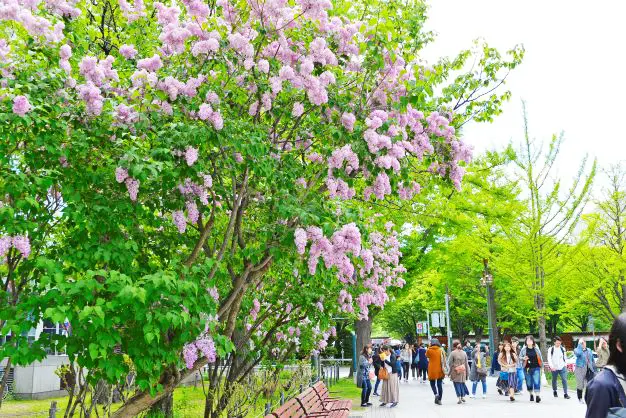
The Sapporo Lilac Festival began in 1959 at the call of cultural figures. It has since become an established event among citizens, signaling the arrival of early summer in Sapporo, with the purpose of holding culturally rich activities during the season when lilacs, also chosen as Sapporo's official tree, are in full bloom. The main venue is Odori Park, where approximately 400 lilac trees bloom. Events include concerts at the Lilac Spring Stage, lilac tree planting, outdoor tea ceremonies, and stamp rallies.
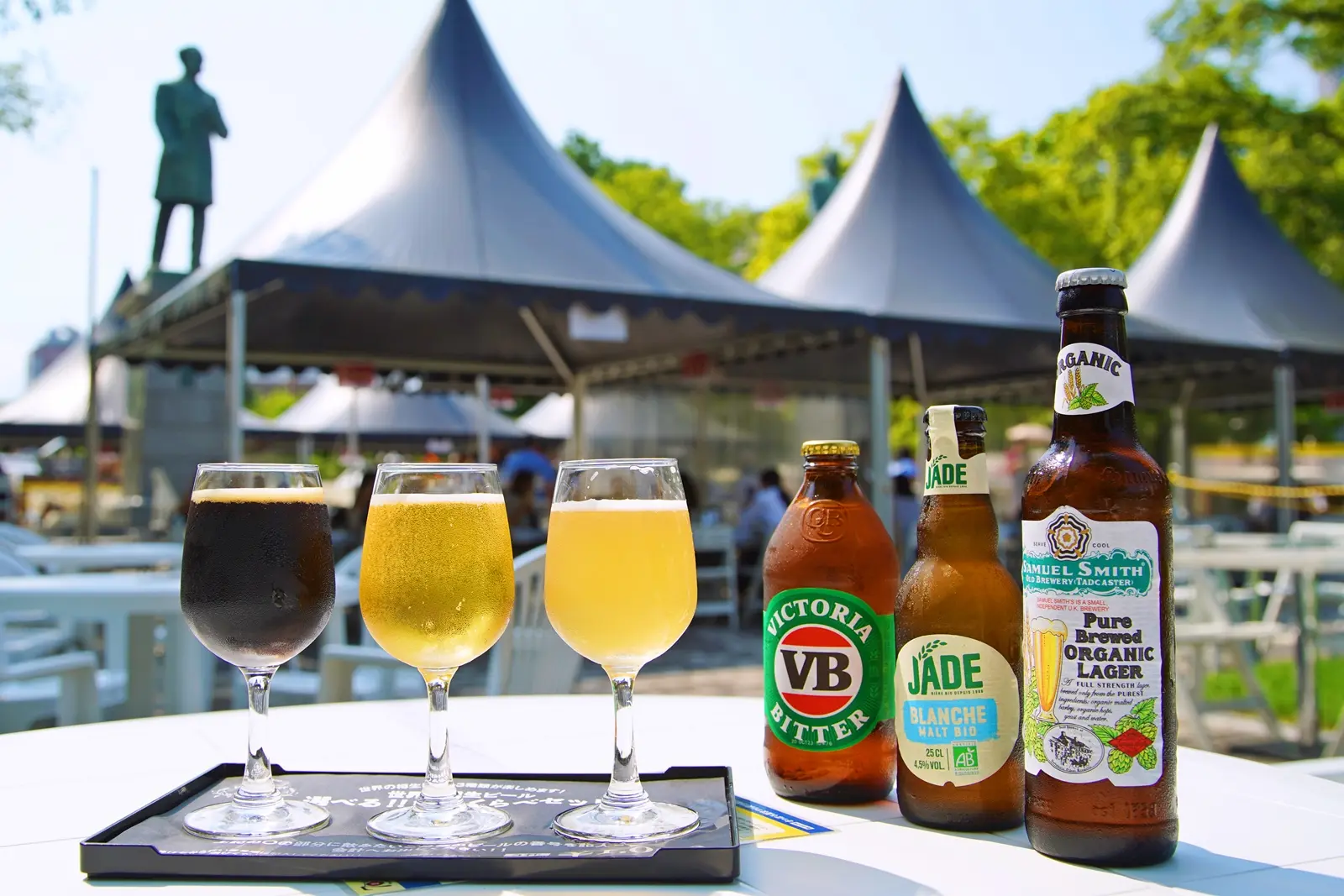
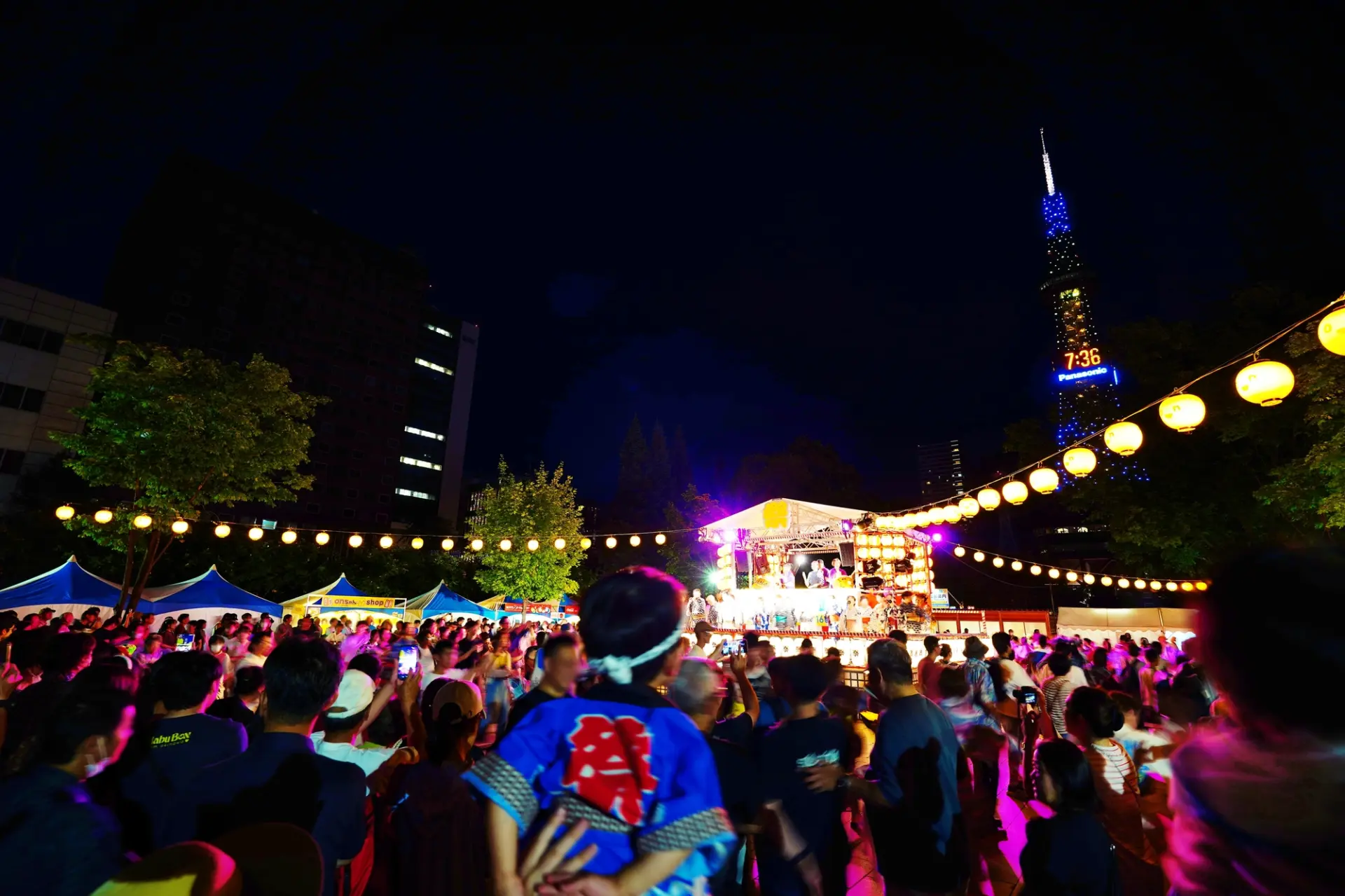
Held annually from mid-July to mid-August, the Sapporo Summer Festival is Hokkaido's largest summer festival. A variety of events take place mainly at Odori Park, located in the center of Sapporo. The biggest highlight is the beer garden, one of Japan's largest, set up in Odori Park. Famous domestic and international beer manufacturers open stalls across six blocks of Odori Park. You can enjoy various beers, including Japan's four major beers, Hokkaido craft beers, German beers, and other international brews, along with dishes that pair well with beer, made from local ingredients.
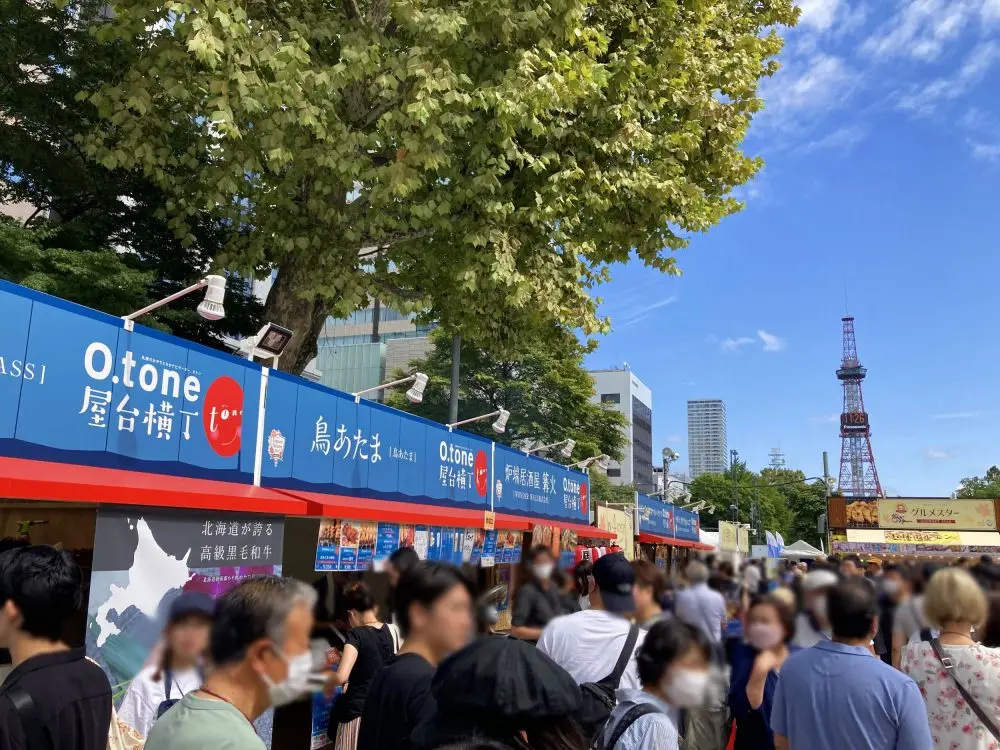
This gourmet event, centered on "Hokkaido and Sapporo cuisine," attracts 2 million visitors annually. It is held across seven blocks of Odori Park in central Sapporo, with approximately 300 stalls spanning about 1 km. The menu offers a wide variety, including specialty products from towns and villages across Hokkaido, alcoholic beverages such as beer, local sake, and wine, and dishes prepared by chefs from famous restaurants in Sapporo.
The Sapporo Snow Festival, one of the world's three largest snow festivals, began in 1950 when local high school students installed six snow sculptures in Odori Park. Currently, it is held in early February at three venues: Odori Park, Susukino, and Tsudome. It attracts approximately 2 million visitors from Japan and abroad, making it a highly popular winter event in Sapporo.

Here are five important tips to know in advance to fully enjoy Sapporo. Especially in winter, Sapporo's environment is vastly different from Honshu, so traveling without preparation can lead to unexpected problems. Please read this before your trip to ensure a comfortable sightseeing experience.
Winter in Sapporo is much colder than first-time visitors might imagine. During peak winter, temperatures often drop below freezing, and it's not uncommon for daytime temperatures to remain below 0℃. The average temperatures in Sapporo from December to February are as follows:
- December
- -0.7℃
- January
- -4.4℃
- February
- -2.7℃
When the wind blows, the perceived temperature drops even further, and you can get cold quickly outdoors, even for a short time. To avoid exhausting yourself from the cold while sightseeing, cold weather protection is essential. In addition to a down jacket or a thick coat, you should also bring accessories such as gloves, a muffler, and earmuffs.
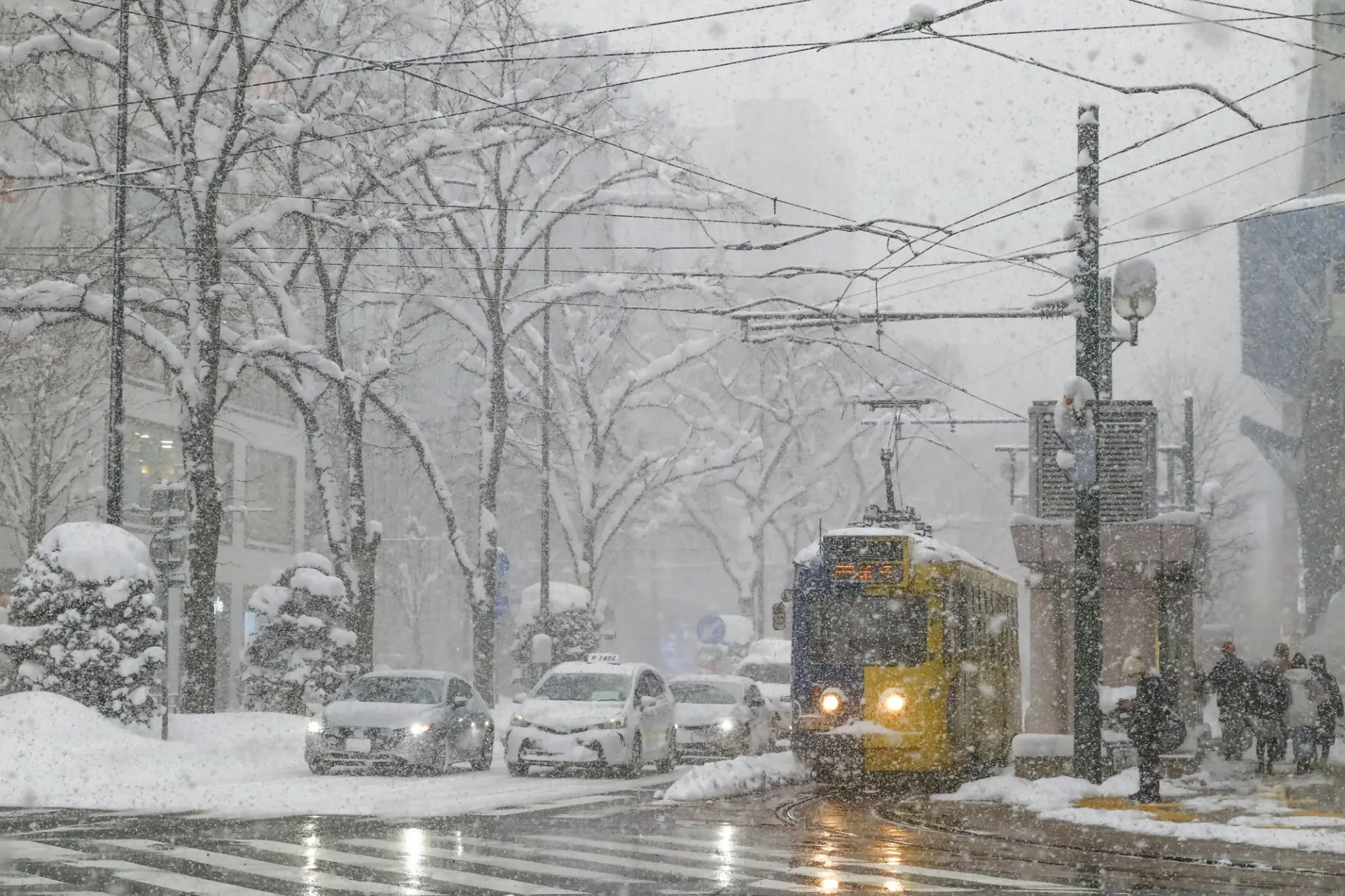
In winter, Sapporo's roads become extremely slippery due to snow and ice. Especially on icy roads and packed snow, even those accustomed to walking in snow should be cautious. There are many places where it's hard to tell if the ground is slippery, and walking as you normally would can lead to unexpected injuries. To prevent falls, it's effective to walk with small steps, placing your entire foot on the ground. Try to shift your weight slowly without stopping abruptly or changing direction. Crosswalks, intersections, and areas around building entrances are particularly slippery, so walk with extra care. Avoid sneakers and bring anti-slip shoes or snow boots.

Pulling a suitcase on snowy roads is surprisingly difficult. Casings tend to get buried in the snow, and even on cleared paths, there are many uneven surfaces due to compacted snow. Therefore, a backpack is recommended for winter sightseeing in Sapporo. Not only is it easier to move around, but it also helps you maintain balance if you're about to fall. If you absolutely need a suitcase, choose a hard case with larger wheels.
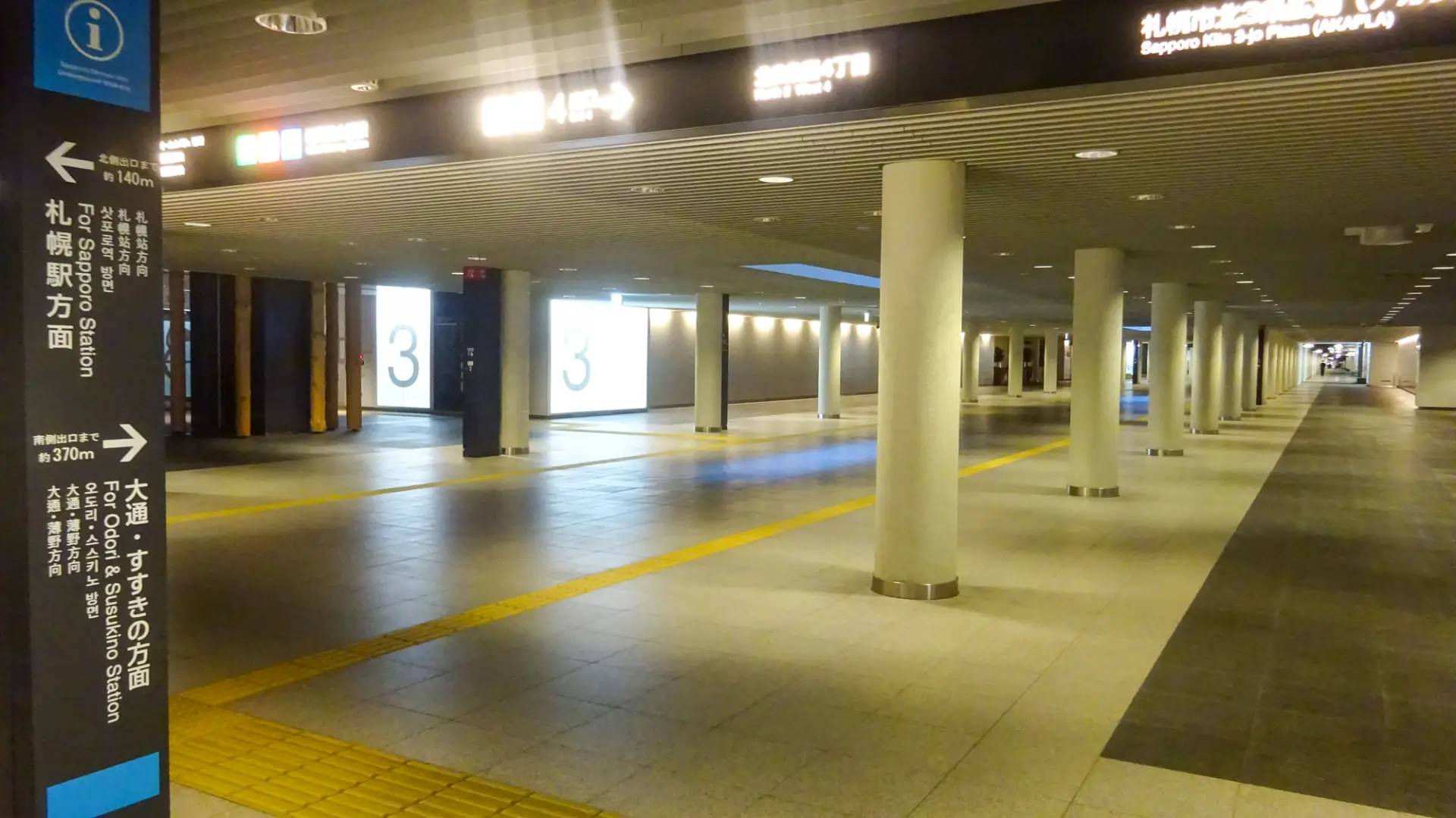
Sapporo boasts an extensive underground shopping area that connects Sapporo Station, Odori, and Susukino. The significant advantage is that you can move around while avoiding snow and cold. However, for first-time visitors, it can be a confusing place. Underground passages have many branches, and exit locations can vary greatly even within the same area. If you exit to the ground without knowing the closest exit to your destination, you might end up walking much further than expected. Also, despite being connected underground, there is a considerable distance from Sapporo Station to Odori and Susukino. Walking can take surprisingly long, so consider using public transportation as well.
Sapporo hosts many large-scale events throughout the year, and accommodation tends to fill up during these periods.
During events such as the "YOSAKOI Soran Festival" and "Sapporo Summer Festival" in summer, "Sapporo Autumn Fest" in autumn, and "Sapporo Snow Festival" in winter, accommodation prices soar, and it's not uncommon for hotels in the city center to be fully booked.
If you plan to visit during an event, it's crucial to secure your accommodation early.
If your travel dates are flexible, avoiding peak event times can also be a good way to enjoy Sapporo comfortably.
Many people probably want to visit tourist spots near Sapporo, starting from Sapporo itself.
Here, we introduce popular tourist destinations in Hokkaido that can be accessed from Sapporo within two hours.
Otaru, famous for the nostalgic scenery of the Otaru Canal, is less than an hour by train from Sapporo Station, making day trips possible.
The classic way to enjoy Otaru is to stroll along the canal and visit various shops and restaurants.
If you're taking a day trip from Sapporo, don't miss Otaru's night view, which is one of Hokkaido's three great night views.
As dusk falls, the nostalgic atmosphere deepens, allowing you to appreciate Otaru's charm even more.

Asahikawa, a city where urban and natural landscapes harmonize, similar to Sapporo, is accessible from Sapporo Station in about 1 hour and 30 minutes.
It boasts various facilities, including the nationally famous "Asahiyama Zoo," the beautiful flower garden "Ueno Farm," and the "Asahikawa City Museum," where you can learn about Ainu history and culture.
In addition, there are many scenic spots, such as "Shuujitsu no Oka," often used as a filming location for dramas, and "Arashiyama Observatory," which offers panoramic views of Asahikawa City.
If you're visiting Asahikawa, you should also try Asahikawa Ramen.

Noboribetsu is approximately 1 hour and 20 minutes from Sapporo Station by the Limited Express Hokuto train.
It is famous for its abundant hot spring water and various types of springs, as well as a hellish landscape where sulfur springs erupt.
There are many footbaths and public baths, so you can enjoy Noboribetsu Onsen even on a day trip.
Of course, staying overnight in Noboribetsu and visiting tourist attractions such as "Jigokudani" (Hell Valley) and "Oyunuma" (Great Hot Spring Marsh) is also recommended.

We have comprehensively introduced information to fully enjoy Sapporo for those planning their first visit.
By using this article as a reference for your travel plans, you will surely have a unique Sapporo experience.