
12 Must-Buy Souvenirs from Gifu! Popular Classic Sweets, Foods, Goods, and Gifu-Exclusive Items
Table of Contents
Gifu is full of charming souvenirs!
Gifu's souvenirs are attractive for their diversity, imbued with the region's rich nature and traditional culture. For example, "Nobori Ayu," symbolizing the clear Nagara River, and gourmet products made with Gifu's specialty Hida beef, are exquisite items that allow you to savor the blessings of nature. Additionally, items that adapt local dishes such as "Goheimochi" and "Hobamiso" allow you to enjoy Gifu's food culture up close. Special limited-time products like Myoga Bochi and traditional crafts such as Mino Washi paper and Sarubobo goods are also popular.
These souvenirs are items that condense the charm of Gifu, not only enhancing your travel memories but also making delightful gifts. Please consider incorporating these items, which embody Gifu's culture and nature, into your travel plans. They are sure to make your travel memories even more profound.
12 Recommended Souvenirs from Gifu
"Kurikinton": An auspicious item inviting chestnut flavor and financial luck
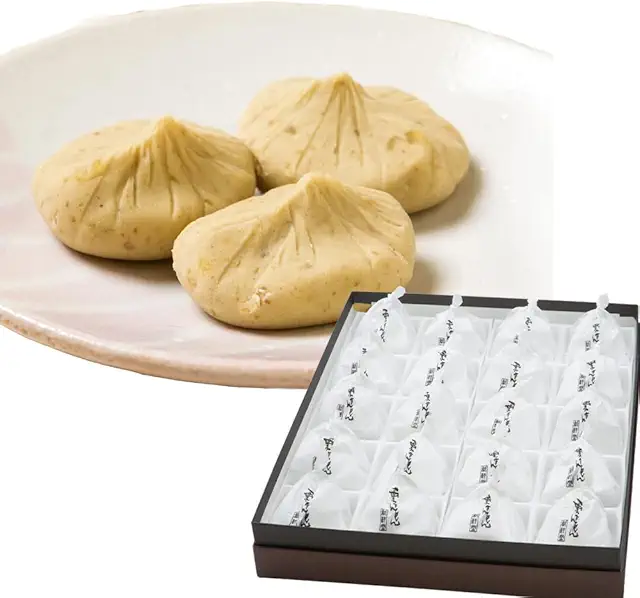
"Kurikinton," originating from the Tono region of Gifu Prefecture, is a widely known traditional Japanese sweet and local specialty that maximizes the natural flavor of chestnuts. Made simply from steamed chestnuts and sugar, and carefully shaped in a cloth, its simple preparation creates a crumbly texture and rich sweetness. In Nakatsugawa and Ena cities, Kurikinton production has flourished since the late Edo period, and long-established confectioneries continue to preserve this tradition.
Meanwhile, "Kuri Kinton" (栗金団) is known as a staple of Osechi Ryori (New Year's food), an auspicious dish symbolizing financial luck with its golden color. This dish, made by mixing sweet chestnut paste with candied chestnuts, differs from Gifu's Kurikinton, but both share the charm of chestnuts.
Gifu's Kurikinton, with its elegant sweetness and traditional flavor, is very popular as a Gifu souvenir. Why not choose it as a memory of your trip or as a gift? It is also interesting to taste the difference from the Kuri Kinton enjoyed during New Year's celebrations.
"Tochi no Mi Senbei": Exquisite texture created by artisan hand-baking
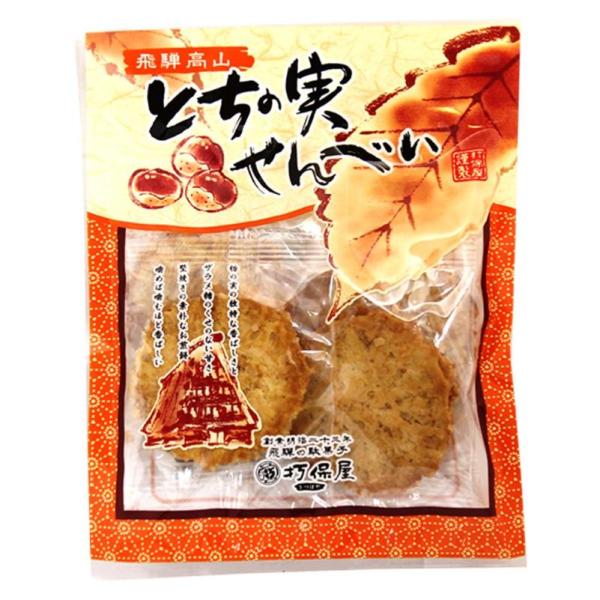
"Tochi no Mi Senbei," a specialty of Takayama City and Gero City in Gifu Prefecture, is a traditional local confection loved by many. Characterized by its crispy texture and fragrant aroma, it is made by kneading horse chestnut flour into the dough and hand-baking each piece meticulously by artisans. "Maehata Tenshindo," established in 1895, is considered the originator of Tochi no Mi Senbei, and is loved by many for its moderately light texture and elegant sweetness.
The processing of horse chestnuts takes about a month, and the commitment to ingredients, such as using horse chestnuts produced in Hida, is evident. Seasonal adjustments to the recipe and other artisan techniques are utilized throughout this exquisite product. The distinctive nutty aroma and gentle sweetness of the horse chestnuts that spread in your mouth, along with the accent of granulated sugar, create a simple yet profound flavor.
"Tochi no Mi Senbei" has a long shelf life, making it an ideal travel souvenir. Be sure to choose this unique Gifu flavor for yourself or as a gift.
"Karasumi": A local delicacy with a beautiful Mount Fuji-shaped cross-section
The local sweet "Karasumi" from Gifu Prefecture's Tono region is a steamed confection made from rice flour, distinct from the delicacy Karasumi (bottarga), and known for its unique shape and rustic flavor. Its distinguishing feature is its beautiful Mount Fuji shape in cross-section, formed using a wooden mold. Originally made in each household for the Peach Festival (April 3rd), it is now widely popular as a representative specialty of Nakatsugawa.
The origin of the name "Karasumi" is widely believed to come from its resemblance to the auspicious delicacy "Karasumi," wishing for fertility and prosperity. Its main ingredients are rice flour, sugar, and water, and by adding walnuts or yuzu, you can enjoy a variety of flavors. Its chewy texture and elegant sweetness are the reasons it has been loved by locals for many years.
"Karasumi," with its simple and nostalgic taste, is an item that allows you to experience Gifu's culture and history. It is also recommended as a souvenir, enriching your travel memories and conveying the warmth of the region.
"Castella": Supreme moistness born from the skills of a long-established store
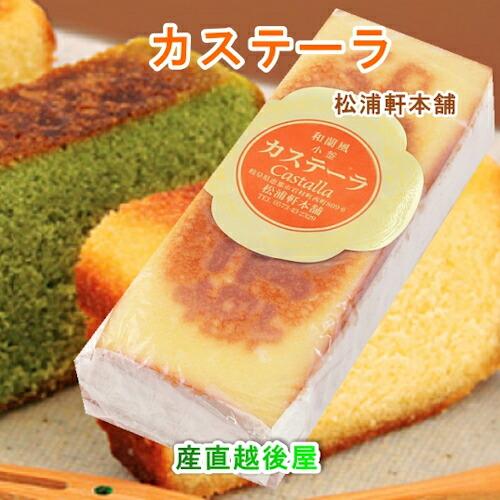
The "Castella" offered by "Matsuura Ken Honten," a long-established confectionery in Ena City, Gifu Prefecture, is an exquisite product that has preserved traditional manufacturing methods since its founding in 1789. Made with simple ingredients—sugar, eggs, flour, and honey—this castella achieves a unique fluffy and moist texture through techniques passed down from the Edo period.
Matsuura Ken Honten's castella production is meticulously detailed. The dough is finely mixed using a stone mill, and each cake is carefully baked in copper molds. By using only honey and no starch syrup, a natural sweetness and fluffy texture are created, and by letting it rest overnight after baking, a moist mouthfeel is achieved.
This traditional method results in a simple yet profound flavor that has been loved by locals for many years and is very popular as a souvenir. When visiting Ena, be sure to try this castella, which is filled with history and artisan skill. The taste, passed down through generations, will surely deepen your travel memories.
"Nobori Ayu": A famous confection expressing the elegance of clear streams
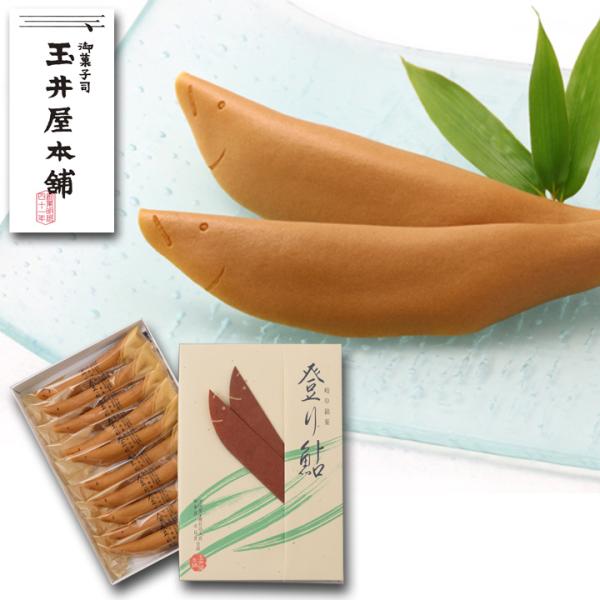
"Nobori Ayu," a renowned Gifu confection, is a Japanese sweet modeled after young sweetfish swimming in the clear Nagara River, beautifully expressing Gifu's natural beauty. This confection features a soft-baked castella dough encasing chewy gyuhi (soft mochi), offering a delightful harmony of visual appeal and taste. "Nobori Ayu," crafted with the artisanal skill of "Tamaiya Honpo," a long-established store founded over 100 years ago, is highly popular as a Gifu souvenir for its elegant form and refined sweetness.
The simple yet sophisticated taste of "Nobori Ayu" comes from the exquisite blend of the fragrant castella dough and the soft texture of the gyuhi, evoking the freshness of clear streams with every bite. Furthermore, attention is paid to the beautiful packaging and presentation, making it a welcome gift for special occasions.
While often associated with summer, it is sold year-round at some stores, which is a convenient aspect. When you visit Gifu, be sure to try this Japanese sweet, which is a fusion of nature and artisanal skill.
"Yaotsu Senbei": A rustic, nostalgic taste
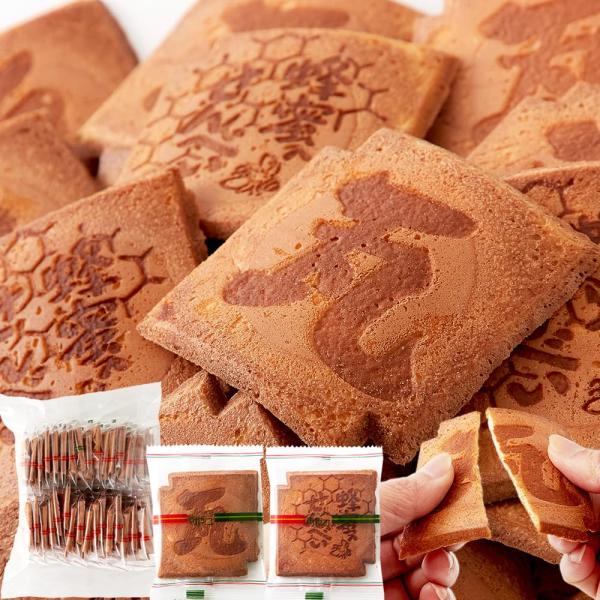
"Yaotsu Senbei," a specialty of Yaotsu Town, Kamo District, Gifu Prefecture, is a local sweet that embodies the region's tradition, characterized by its rustic taste made primarily from wheat flour, sugar, and eggs. Born around 1921, this senbei gained nationwide popularity after the war and is now an important local industry in Yaotsu Town.
The greatest appeal of Yaotsu Senbei lies in its manufacturing process, which utilizes natural ingredients without additives or artificial colors. In addition to a wide variety of flavors including peanuts, sesame, and ginger, products using local soy sauce and tea leaves are also available, showcasing both tradition and the pursuit of new tastes. Furthermore, the artisan's hand-baking technique enhances the senbei's fragrance and moderate sweetness.
This nostalgic taste is loved by all generations and cherished as a product nurtured by the local nature and culture. "Yaotsu Senbei" is also perfect as a souvenir, an recommended local sweet that offers a taste of Gifu's tradition and new charm. Be sure to try it when you visit.
"Kaki Yokan": The sweetness of Dojo Hachiya persimmons condensed
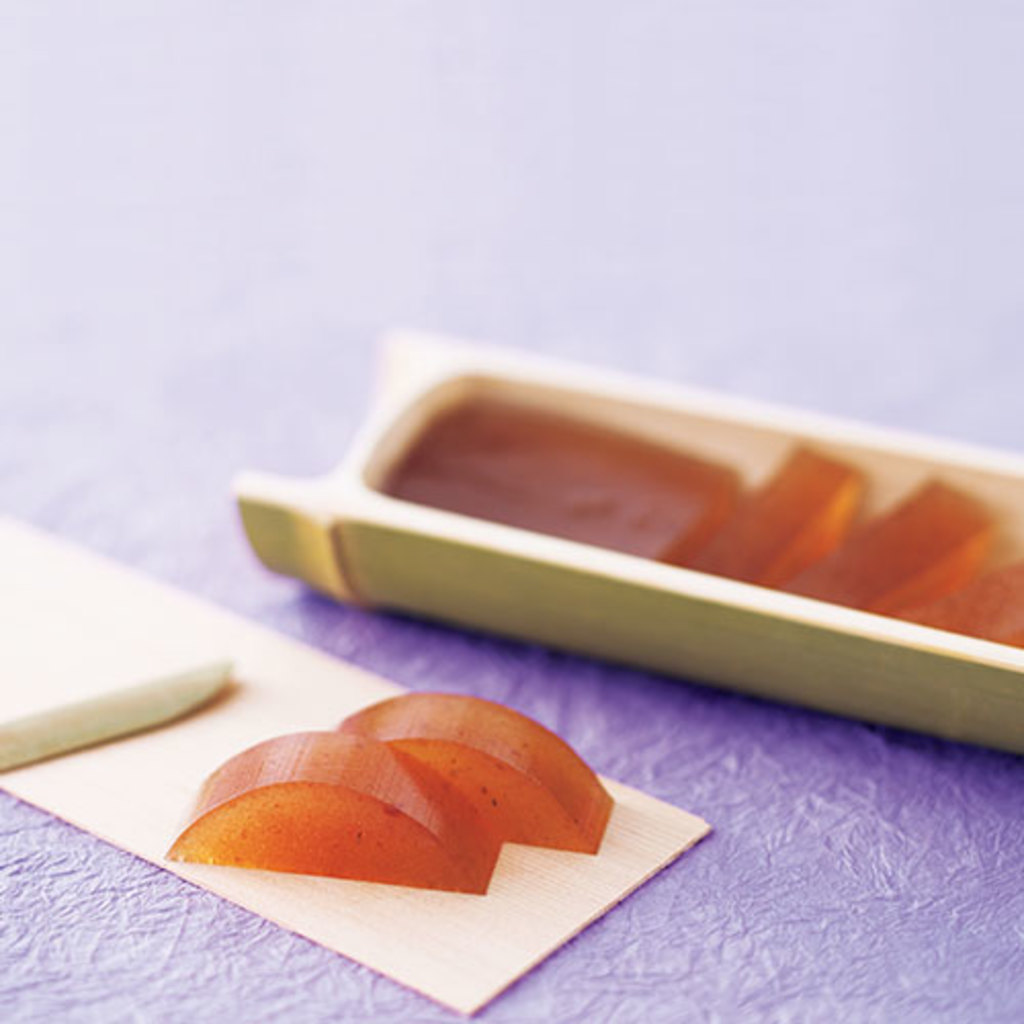
"Kaki Yokan," crafted by "Tsuchiya," a long-established Japanese confectionery in Ogaki City, Gifu Prefecture, is a luxurious confection representing Gifu, created in 1838 and utilizing the local specialty Dojo Hachiya persimmons. Dojo Hachiya persimmons have been prized since the Heian period, with the saying "one dried persimmon is worth one sho of rice." Kaki Yokan, which fully harnesses its rich sweetness and aroma, is a Japanese sweet nurtured by Gifu's nature and history.
The production method involves harvesting persimmons around November, sun-drying them for about 10 days until a white powder of fruit sugar appears on the surface, then mashing the dried persimmons into a jam-like consistency. Sugar and agar are added and simmered, then poured into traditional bamboo containers to solidify. This process creates a richly flavored yokan with a subtle sweetness and strong natural persimmon aroma.
Sliced thinly and chilled, "Kaki Yokan" offers a refreshing taste and is a delightful treat with tea or as a gift. This confection, a fusion of Gifu's natural bounty and artisan skill, is a must-try when visiting the region.
"Myoga Bochi": A traditional farmer's snack, limited to early summer

"Myoga Bochi," a traditional local sweet that graces early summer in Gifu Prefecture's Mino region, is a rustic Japanese confection that utilizes traditional wisdom and local ingredients. This sweet, made by wrapping a broad bean paste in wheat flour dough and steaming it in myoga (Japanese ginger) leaves, has been loved as a snack during farm work for generations.
A unique feature of Myoga Bochi is its traditional method, which utilizes the antiseptic properties of myoga leaves, as well as the iron and protein in the broad bean paste, which helps to soothe bodies tired from farm work. "Kasho Toyodaya," considered the originator, sells it for a limited period from June to the end of September. They go to great lengths to maximize the quality of the ingredients, such as not over-crushing the beans in the paste to retain their bite. Its popularity is so high that it sells 3,000 units a day immediately after its release.
Myoga Bochi, beloved by locals as a summer tradition in Gifu, is also highly popular among visitors from other prefectures. When visiting the Mino region, be sure to try this seasonal specialty. It's a Gifu-exclusive taste that allows you to experience the local culture and natural bounty.
Hoba Sushi: A Traditional Dish Packed with Age-Old Wisdom and High Antibacterial Properties
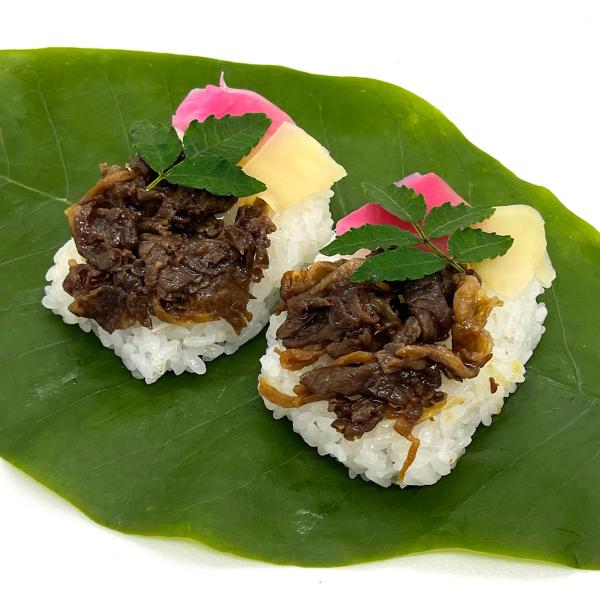
Hoba Sushi is a regional dish passed down from the Hida region to the Tono and Chuno regions of Gifu Prefecture. It's a type of chirashi sushi wrapped in magnolia leaves (hoba), a traditional item that combines natural wisdom and practicality. This dish utilizes the antibacterial and anti-mold properties of hoba, making it safe to eat even on hot days.
The appeal of Hoba Sushi lies in both its functionality and taste. Wrapped in hoba, it can be easily eaten without chopsticks, making it a valuable portable meal for farm work and mountain jobs in the past. Furthermore, the ingredients vary by region and household, allowing for a rich variety of flavors such as salmon, egg, and shiitake mushrooms. Modern research has also confirmed the strong antibacterial properties of hoba extract, scientifically supporting the traditional wisdom that contributed to preventing food poisoning.
Simple yet nutritionally balanced, Hoba Sushi is a masterpiece born from Gifu's nature and culture. It's a regional dish that allows you to savor the local food culture while reflecting on the ingenuity and wisdom of our ancestors. When you visit, be sure to pick one up and enjoy its charm along with the fragrance of the hoba.
Botai Iburi Tofu: A Rare Smoked Tofu from the Kamakura Period

Botai Iburi Tofu, passed down for over 700 years in the Botai region of Gujo City's Yamato-cho, Gifu Prefecture, is a unique smoked tofu born from Gifu's nature and history. Its origins are said to trace back to the Heike refugees who brought the production method with them, and its meticulously crafted flavor has been preserved to this day.
Botai Iburi Tofu uses about three times the amount of soybeans as regular tofu. It is solidified with natural nigari, then pickled in Gujo miso, and finally carefully smoked for six hours using cherry wood chips. This process gives it a firm texture and rich flavor, reminiscent of smoked cheese. Due to its excellent preservation, it was once valued as a portable food for travelers crossing mountains.
It's delicious on its own, but adding soy sauce, wasabi, or mayonnaise further enhances its flavor. It's also a versatile item that can be enjoyed in various dishes. Botai Iburi Tofu is a local food nurtured by Gifu's rich nature and long history, cherished by locals. When you visit Gifu, be sure to try this flavorful delicacy.
Kuri-ichi: An Exquisite Chestnut Confection Fragrant with Magnolia Leaves

Source: Ena Kawakamiya
"Kuri-ichi," crafted by the long-established Japanese confectionery shop "Ena Kawakamiya" in Ena City, Gifu Prefecture, is a long-selling wagashi that has been beloved since its establishment. This famous confection features Gifu's specialty "kurikinton" (sweet chestnut paste) as its core, layered with a subtly sweet steamed yokan, and then wrapped in magnolia leaves (hoba), also used in local cuisine, and steamed. It's a fragrant, delicate delicacy.
The characteristic features of "Kuri-ichi" are the refreshing aroma imparted by the magnolia leaves and the combination with a smooth koshi-an (strained red bean paste) made from high-quality "murasaki-awase" adzuki beans from Hokkaido. The rich flavor of the concentrated kurikinton and the smooth yokan are exquisitely balanced, offering an elegant sweetness. While delicious at room temperature, chilling it in the refrigerator for about an hour enhances its aroma even further and adds a delightful cool texture.
"Kuri-ichi" is a refined and delicate Japanese confection that embodies Gifu's natural bounty and the artisan's skill, enjoying high popularity not only locally but also nationwide. When you visit Gifu, be sure to try this special delicacy. It's also an excellent choice for a memorable gift.
Fruits Daifuku: An Exquisite Harmony of Japanese and Western Styles
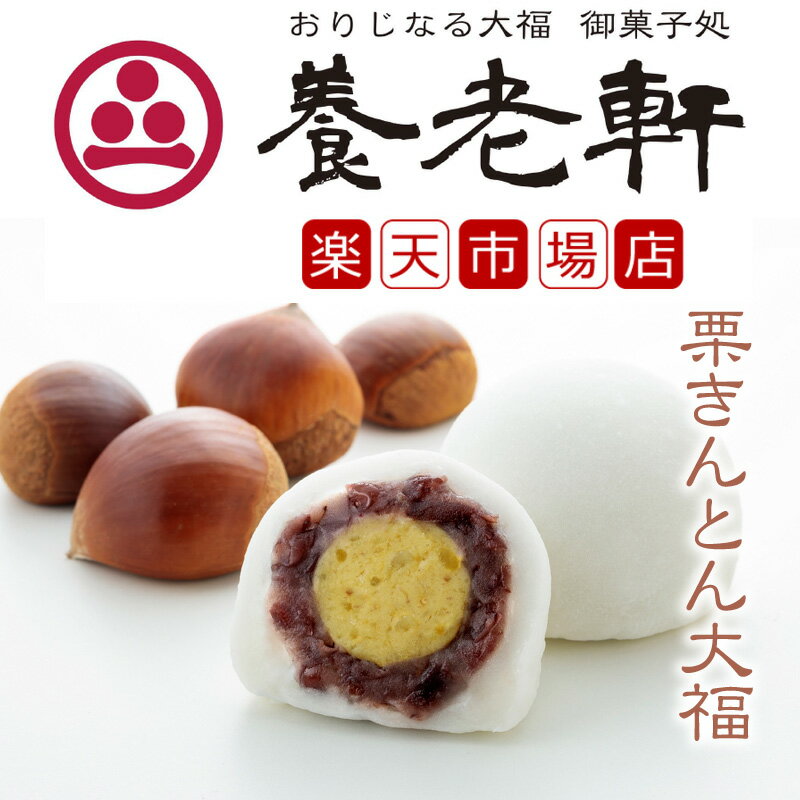
Fruits Daifuku, crafted by the Gifu wagashi shop "Yoroken," is truly an innovative sweet that brilliantly fuses Japanese and Western confectionery. This daifuku, generously filled with strawberries, bananas, chestnuts, tsubu-an (chunky red bean paste), and whipped cream within its fluffy mochi, offers a delightful blend of Japanese and Western flavors and textures.
The appeal of "Fruits Daifuku" lies not only in its unique combination but also in its seasonal exclusivity. It is available from late October to mid-June, priced affordably at 378 yen (tax included) per piece, and with a relatively low calorie count of 242 kcal per piece, which is an added bonus. You can enjoy the texture of Japanese sweets with a creamy, Western-style flavor that spreads in your mouth.
Furthermore, "Fruits Daifuku" is available for delivery and is a popular gift item. It has garnered high praise not only from locals but also from tourists, bringing a new breath of fresh air to Gifu's wagashi culture. This daifuku, a fusion of tradition and innovation, symbolizes the diversity of Gifu's sweet culture. Be sure to try it when you visit.
When you visit Gifu, buy some souvenirs!
How did you like our 12 recommended Gifu souvenirs? Each item is full of Gifu's unique charm, infused with history, nature, and craftsmanship. Whether you choose something for yourself as a memento of your trip or as a gift for a loved one, it's sure to be appreciated. From classic sweets to regional foods and heartwarming goods, you're sure to find souvenirs that let you fully enjoy Gifu's distinct appeal. The next time you visit Gifu, be sure to look for these souvenirs. As you savor the lingering memories of your trip, these wonderful items that bring Gifu's charm into your daily life are sure to add color to your days.